Wizzie Brown, a program specialist with the Texas A&M AgriLife Extension Service and our go-to insect expert, is helping answer questions from kids about bugs.
Do bugs talk?
To answer this question, Brown says she had to first look up the definition of talking (“to engage in speech”) and speech (“the ability to express thoughts and feelings articulated by sounds”).
“And so the answer to bugs talking is yes,” Brown said.
Crickets, mosquitoes, katydids and grasshoppers all use their wings to make sounds.
Insects might use such noises to communicate certain meanings.
“Cicadas have a special organ called a tymbal that they can vibrate that will make sound, and when they’re making these sounds, they’re usually warning each other of predators, they might be signaling to attract in a female or male of some sort…,” Browns said. “So there are reasons that they are communicating, it’s just we’re not, as humans, understanding what they’re saying.
» MORE: Kids want to know: Why should we care about bugs?
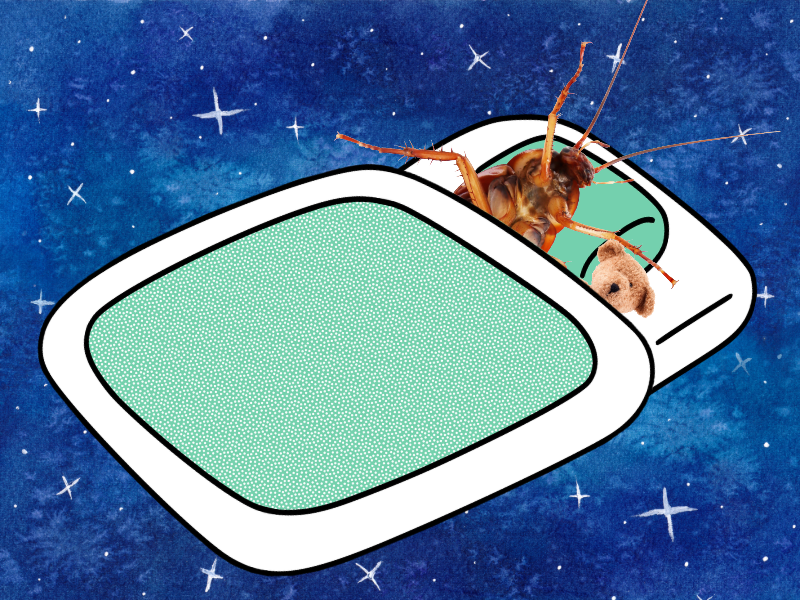
Do bugs sleep?
Brown says the short answer to this question is “yes.”
“The tricky thing is insects do not have eyelids, so it’s not like they’re getting the ‘shut-eye’ like we do or you can’t tell that they’re necessarily sleeping because they have their eyes closed,” Brown said.
Insects have compound eyes made up of tiny little facets that they never close, Brown says. But if you’re familiar with their habits, you might be able to tell if they’re sleeping – not moving or a slow response to being interacted with being a couple of giveaways.
“There are some insects that will have a particular way of hanging from a plant or sitting on a plant, so a particular posture that they’ll be. Some of them will dangle,” Brown said. “Cockroaches will actually fold their antennae in because antennae are a sensory organ, and so they’re gonna bring that in so they are not disturbed.”
Just as it is for humans, Brown says sleeping is very important for insects.
“It helps them with memory retention and processing the environment and the stimulation that they’ve had,” Brown said.
And while some humans – particularly kids – might not appreciate the beauty of taking a nap, Brown says an occasional siesta is important for some insect species.
“Honey bees, the worker bees that go out and forage for nectar and pollen, they actually sometimes will take naps in between those foraging trips so they can process and get their little energy going before they go up to the next one,” Brown said.
Do you have a bug question for Wizzie Brown? Drop us a line, and we’ll pass it along.