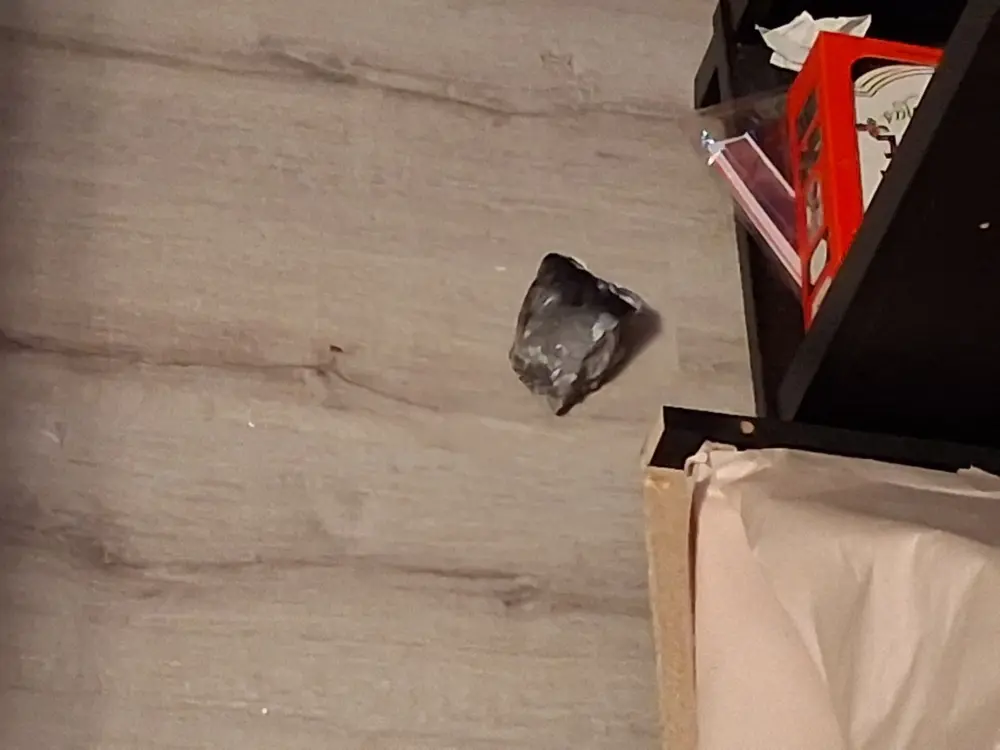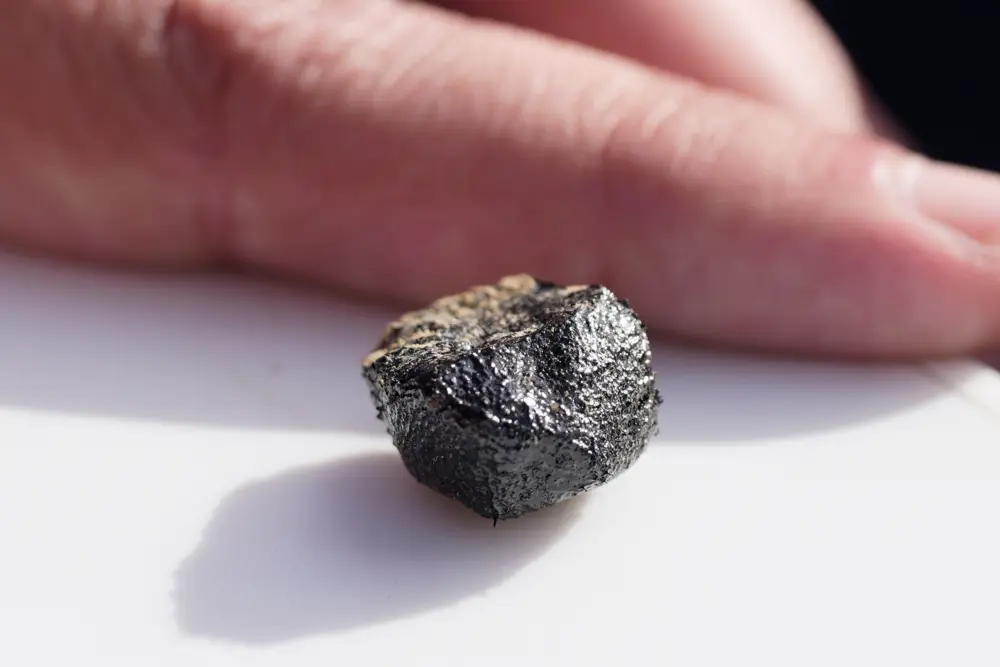
Picture a space rock. This one was 3 feet wide, but it weighed about a ton and moved at a speed of about 35,000 miles per hour across the sky, just 50 miles above Houston on Saturday.
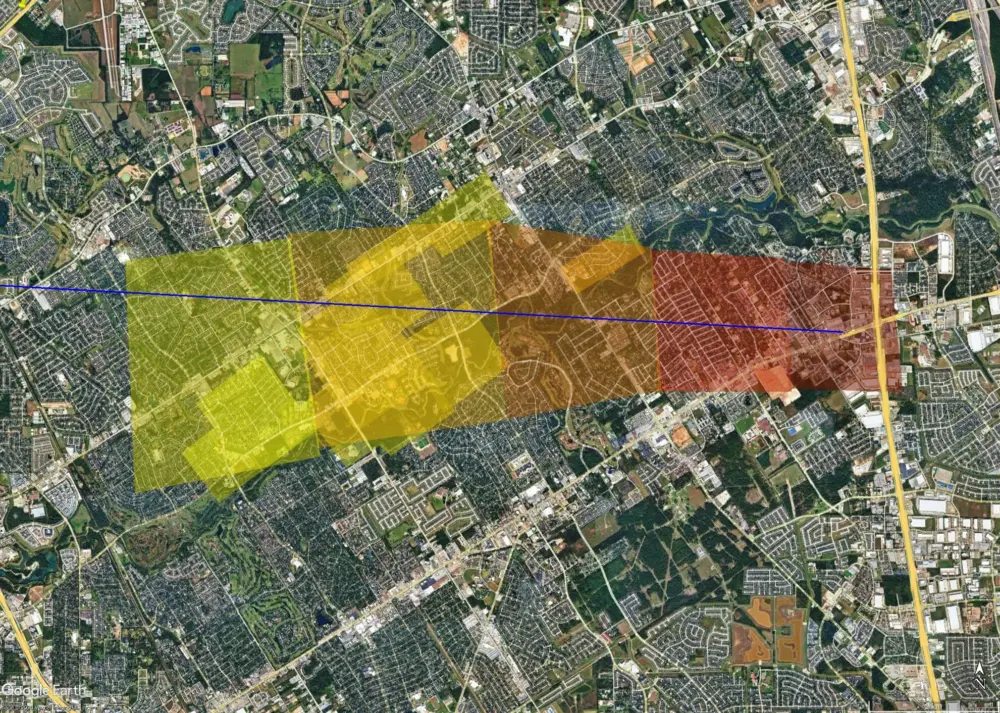
The meteor’s trajectory, which NASA gives the tongue-in-cheek title of its “Chicken Little trajectory,” flew above the Tomball and Cypress areas, just about 15 miles west of George Bush Intercontinental Airport.
Barreling through the Earth’s atmosphere, there’s an immense amount of pressure on the rock. Eventually, as with most such space rocks, called meteors, the pressure was too great, and it caused the meteor to break apart, creating an explosion about 30 miles above North Houston. NASA said the explosion had the energy of about 26 tons of TNT, the equivalent of about 100 lightning strikes happening at once.
“It is ironic that NASA spends millions and billions of dollars to collect rocks from space, and one comes to visit all by itself,” said Carolyn Sumners, vice president for astronomy at the Houston Museum of Natural Science.
Many southeast Texans said they heard the explosion when the meteor broke through the sound barrier on Saturday afternoon. Turning their heads to the sky, a few fragments of space rock called meteorites began falling over the course of 8 minutes, if they didn’t burn up on the way to the ground.
“If a meteorite explodes, it will leave what’s called a ‘strewn field,’” Sean Gulick, a research professor at the University of Texas at Austin, said on Texas Standard. “It’s sort of a directional travel — from how it was traveling — it will blow up and leave fragments on the ground.”