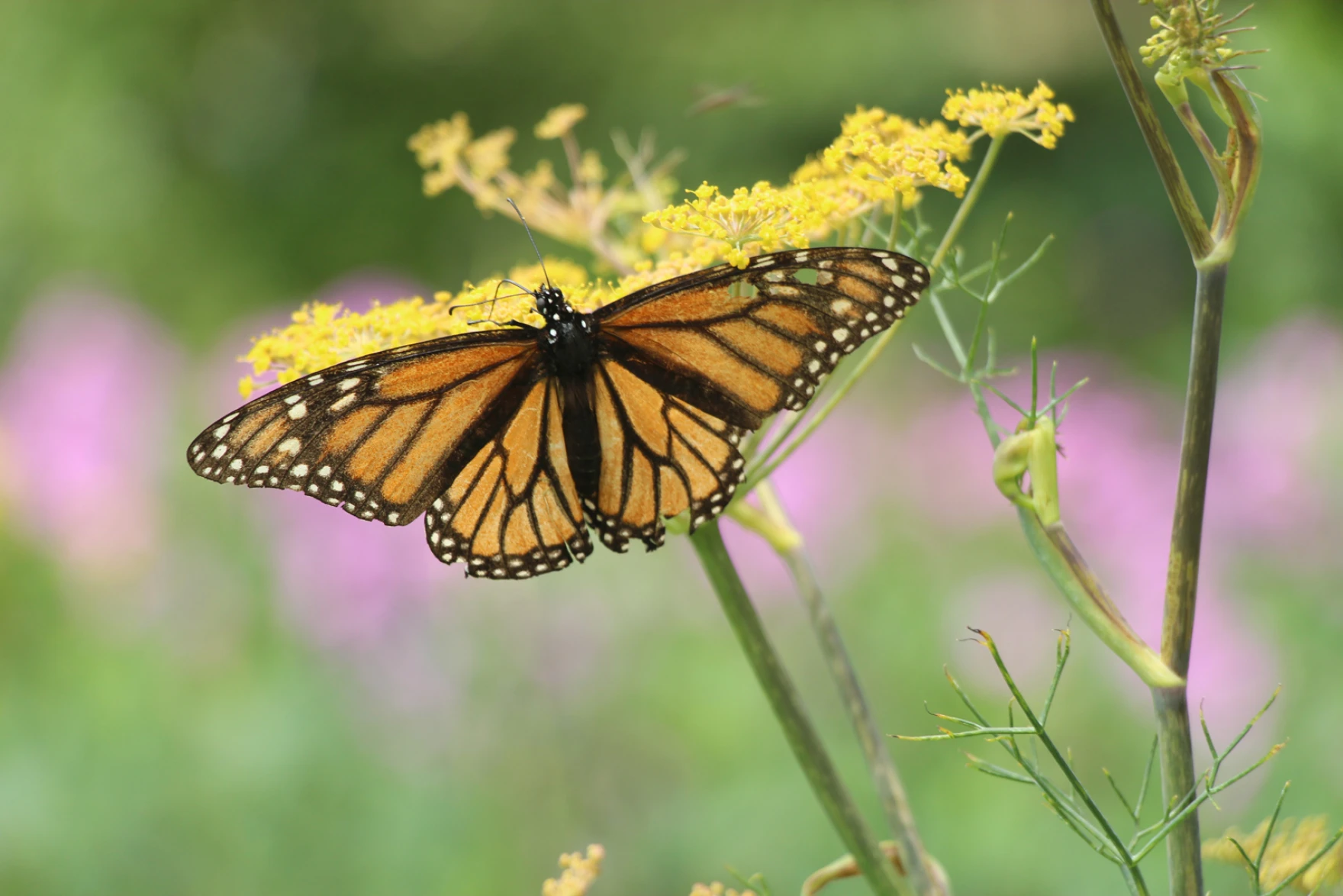
During the winter of 2013, the number of eastern monarch butterflies sank to their lowest level on record after years of decline. Other pollinators, like honeybees, were also struggling.
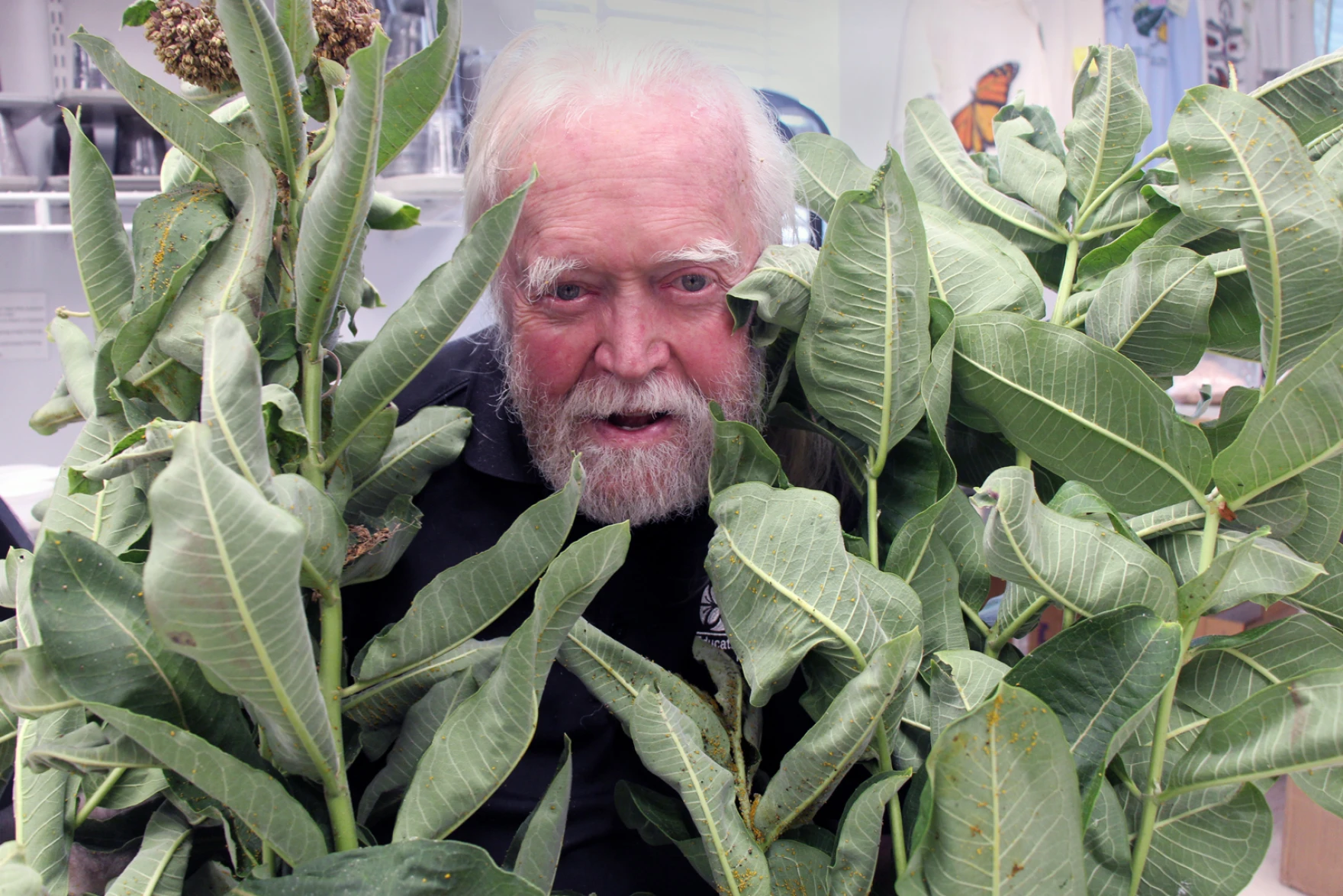
In response, the Obama administration formed a task force to figure out how to reverse these trends. Orley “Chip” Taylor, the founding director of Monarch Watch at the University of Kansas, was invited to speak at a meeting in D.C. with highway managers.
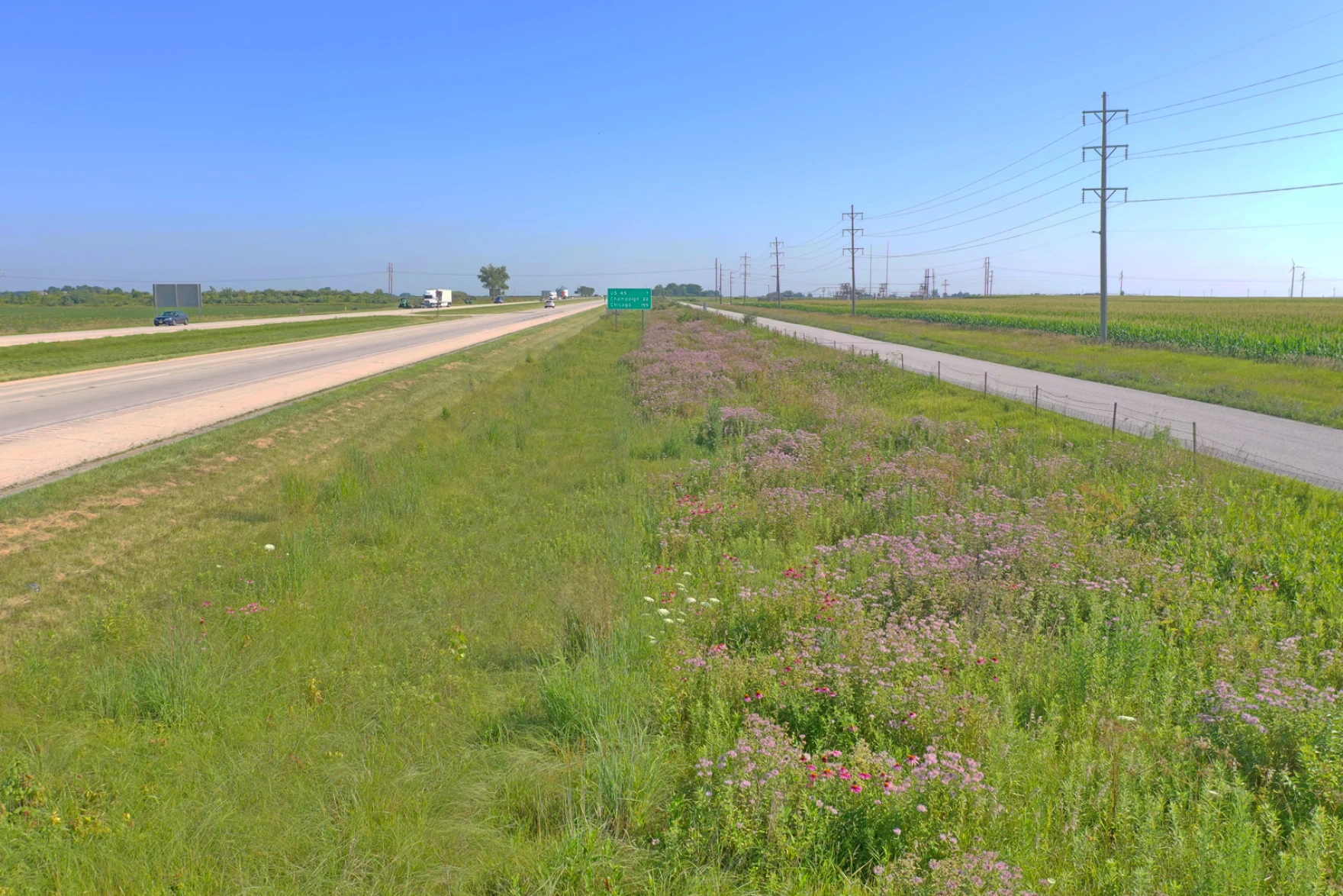
“In that talk, I presented an idea that we could improve monarch habitat by creating strips of milkweed and native plant habitat along the banks of the interstate highways, especially along I-35,” Taylor said.
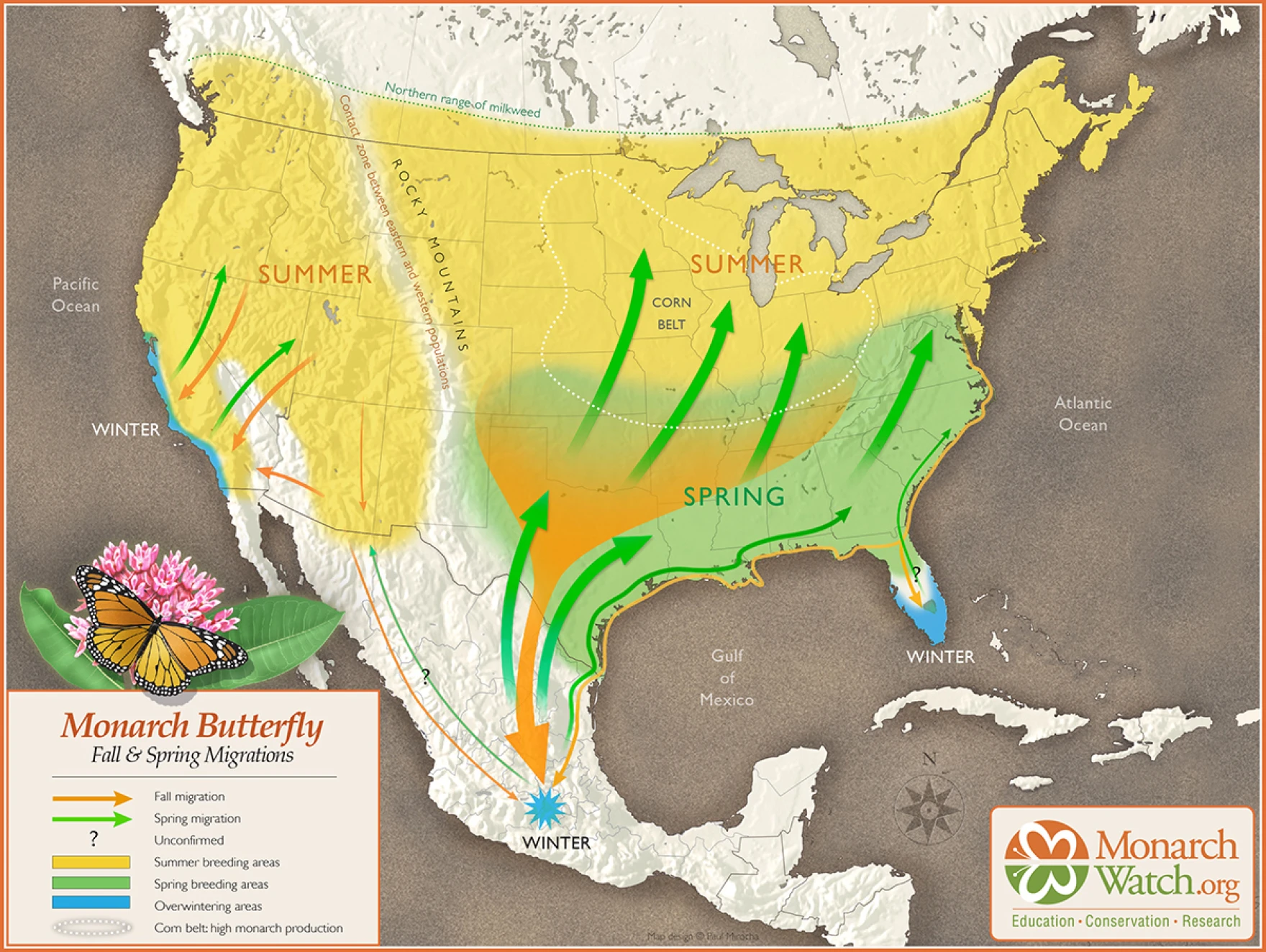
Interstate 35 is a major corridor in the U.S., stretching from Laredo, Texas, to Duluth, Minnesota. It also runs through the heart of the eastern monarch butterfly’s multi-generation migration route from the northern U.S. and southern Canada to the high-elevation fir forests of central Mexico.