New PBS ‘Daytripper’ series takes Texans on tour of the state’s protected landscapes

Host Chet Garner teams up with the Nature Conservancy to see how residents can be good stewards of Texas grasslands and waterways.

By Rhonda Fanning & David BrownApril 9, 2026 11:46 am, ,

If you want to understand Texas, you can begin with a map, but you learn a lot more by getting out onto the land itself.

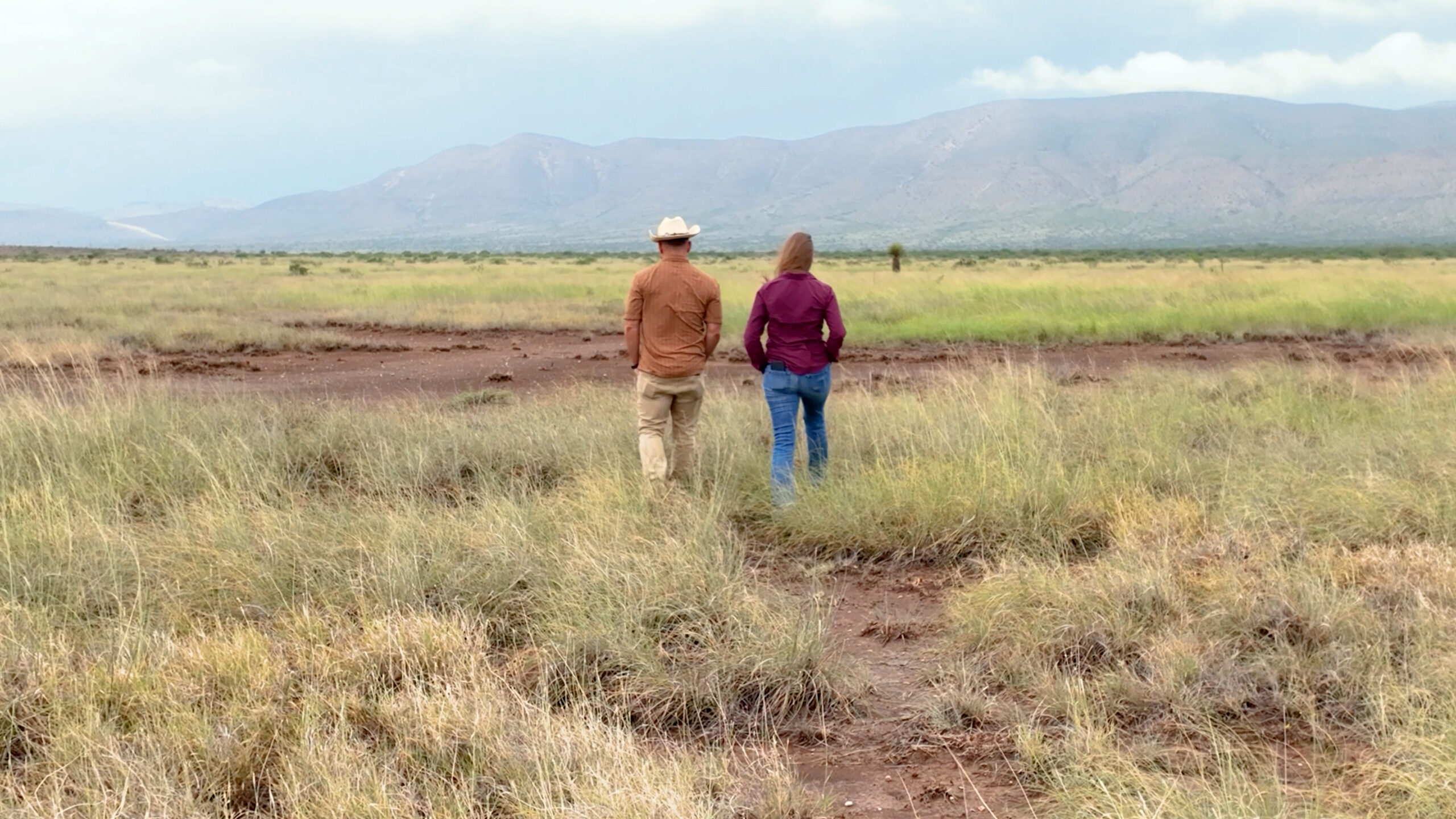
A new PBS series pairs “The Daytripper” host, Chet Garner, with scientists from the Nature Conservancy to explore more than a million acres of protected Texas landscapes. Along the way, they bring in the science behind what’s at stake and what’s being done to protect that land.

Chet Garner and Charlotte Reemts, an Austin-based ecologist and science project director with the Nature Conservancy, joined the Standard to talk about “Daytripping with the Nature Conservancy in Texas.” Listen to the interview in the player above or read the transcript below.

This transcript has been edited lightly for clarity:

Texas Standard: Hey Chet you’ve built a career showing Texans where to go next. How did things change for you and the story becomes why these places need saving?
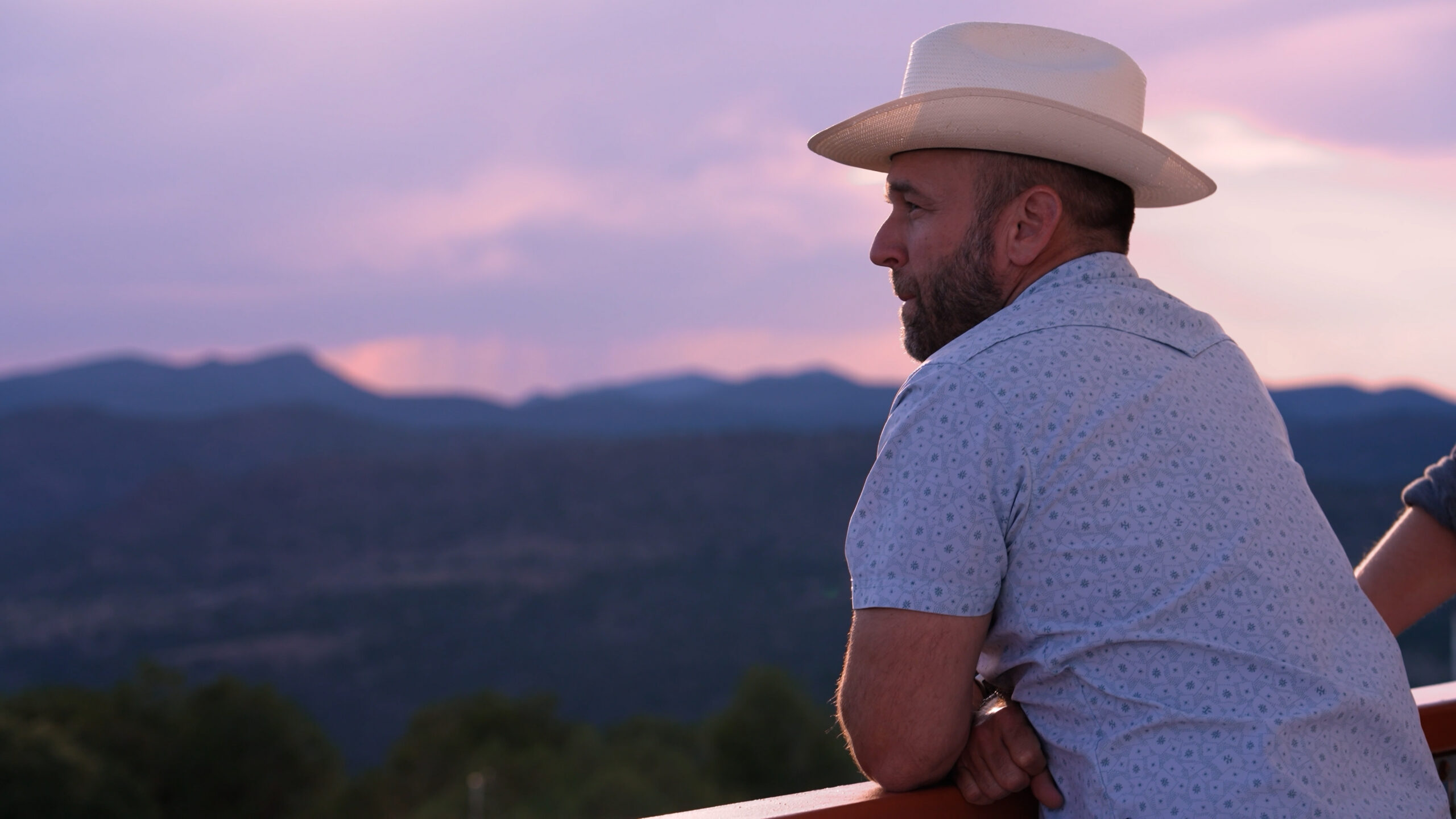
“The Daytripper” host Chet Garner. Hogaboom Rd, Inc.

Chet Garner: Oh, I, you know, I don’t think it changes that much at all. We just got to get on some of the most beautiful land in all of the state that’s not publicly accessible.

“The Daytripper” is all about inspiring people to go and explore the public places we have. And there’s a lot of them, but you know over 95% of Texas is private land. And so this was an opportunity to sort of, I guess, step over the fence, open the gate up a little bit and explore some of these places that landowners have intentionally decided to protect in perpetuity.

So it was an amazing call to action for anyone who owns land out there that like, hey, you own a special piece of Texas, let’s all do our part. But really at the end of the day, it was about appreciating what a wonderful, beautiful state that we all live in.

Charlotte, I mentioned a million acres there. Put that million acres in context. What does that represent in terms of Texas ecosystems and what seems to be under the most pressure right now?

Charlotte Reemts: Texas is one of the most diverse states. That’s part of what makes us all proud to be Texan. And so that million acres protects almost every kind of ecosystem that we have in the state.

And it’s really important that we have representative protection of every ecosystem. Because if we lose one ecosystem, that just makes the state less special than we already love it to be.
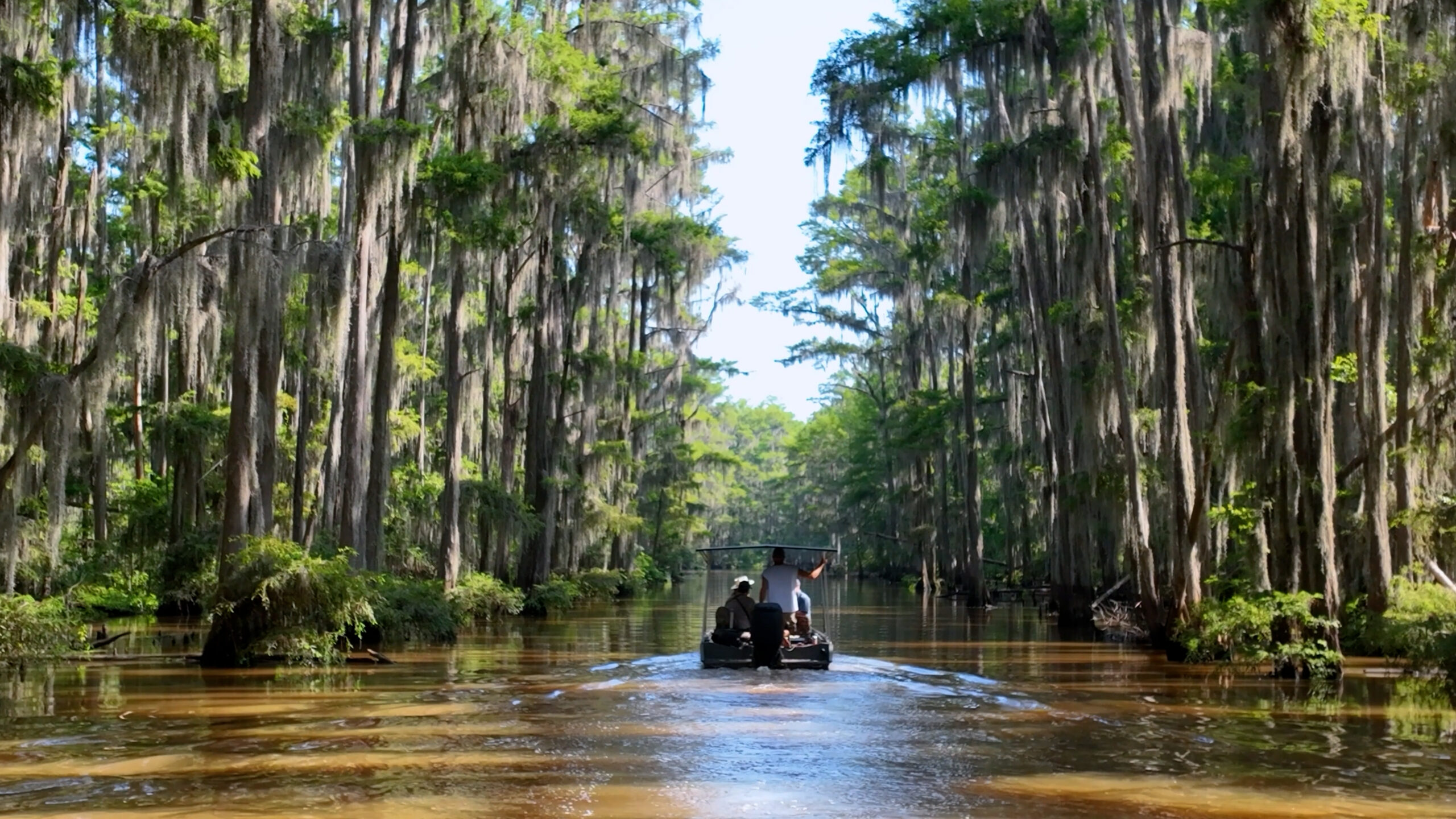
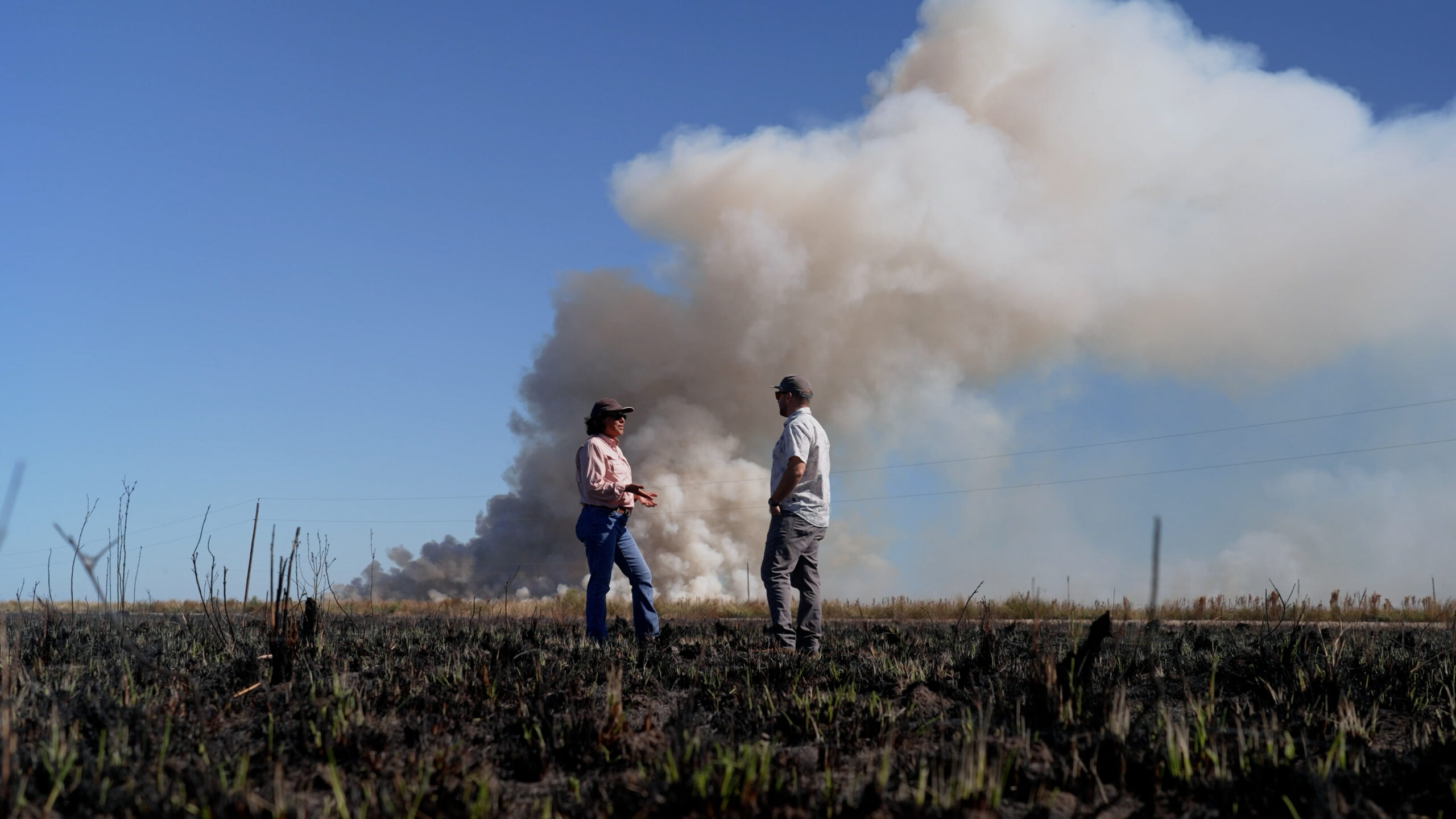
Hogaboom Rd, Inc.

Chet, this series includes three episodes: “West Texas,” “Grasslands,” “Fresh Water”… Why these three areas and why now?

Chet Garner: You know, when you’re storytelling you’ve got to sort of figure out, okay, how do I create narratives — these buckets. And so we’re like well, West Texas got a lot of intrigue. Let’s talk about West Texas.

But you can’t talk about West Texas without talking about water. You can’t talk about water without talking about grasslands. And so the more we got into the storytelling, the more we realized how difficult it is to separate these issues out.

And then like all of Texas in the ecosystem Charlotte mentions… I mean, they’re all connected and when one suffers, they all suffer. So that was one of the trickiest parts.

And right now, as the era we’re living in, the fresh water thing is just affecting everything. So if people can really understand how delicate our water systems are, then we’re going to work a little more to protect it and conserve it. So I think that that one most of all, to me, was kind of like, man, we got to get this right.

» GET MORE NEWS FROM AROUND THE STATE: Sign up for Texas Standard’s weekly newsletters

Well, I’ll tell you what really struck me was the grasslands, because I tend to think of grasslands as these vast spaces, but it comes up in this series as one of the most endangered landscapes in North America.

Why are they disappearing? Either of you want to weigh in on that?

Charlotte Reemts: Yeah, so grasslands have grasses on them. Many of our crops like corn and wheat are also grasses, and so they grow very well on the same soils that our native grasslands do.

And so a lot of our grasslands, particularly in the wetter parts of the state, have been converted to agriculture. The grasslands are also threatened just like almost every other ecosystem, just by expanding development. As people spread out, we have less space for these natural ecosystems.

But I think one of the great things that Chet highlights in that grassland episode is also how people can also help save grasslands. The Nature Conservancy works with many private landowners to maintain ranching, because cattle eat grass, and ranches are often amazing grasslands. And so by working with private land owners to protect these ecosystems, we can address some of these threats.

Chet Garner: I think there’s a tendency… A lot of times we look at grass and we think, “oh, boring.” You know, like where are the trees? And then once you got your hands dirty with that soil, you realize like, oh my gosh, I’ve been overlooking one of the most unique, diverse ecosystems that we have. So grass is critical.

Yeah, that’s really interesting. Hey Charlotte, I want to ask you something because I know that you got lassoed into being part of this series. And I’m curious, was there some particular specialty that got you involved here? How did you end up getting connected?

Charlotte Reemts: So my role with the Nature Conservancy is a statewide role. So almost all of the ecosystems featured in the series I do some kind of research on.

My job is to help the Nature Conservancy and the partners and the private landowners that we work with make sure that we’re achieving our conservation goals. And a lot of times, that looks like going out and collecting information about the plants and animals on these places.

And so I got roped in because I’ve been to almost all these places.

Chet Garner: Charlotte taught me that you can stuff your nose in a ponderosa pine and it smells like a vanilla cupcake. I did not know that.

Is that true? That’s interesting. Let me ask you, maybe one of you can explain how the Nature Conservancy works because there’s a lot of conservation groups and listeners may not know exactly what it is that makes the Nature Conservancy and its land so unique.

Charlotte Reemts: Yeah, so the Nature Conservancy is a global organization. Our mission is to preserve the lands and waters on which all life depends. And that includes the people and the plants and the animals in Texas.

And we do a lot of our work in partnership. And you can really see that come out in this series. Chet talks with folks at Texas Parks & Wildlife that we work with. He talks to private landowners.

And so we work along with all of these partners to protect and manage lands and waters in Texas for the sake of the plants and the animals, but also for the sake of people who benefit from them.

Hogaboom Rd, Inc.

Chet, I think a lot of Texans feel like they’ve got a pretty good idea of what Texas is and, you know, we’ve all got that map in our heads, I think. But when people finish this series, how do you want them to see Texas differently? Or do you?

Chet Garner: Yeah, I think I want everyone to see land stewardship as being all of our responsibility. And so we can look at the Nature Conservancy, we can look at Texas Parks & Wildlife, Texas Forest Service, things like that and go, well, that’s their job to protect nature. I’m just going to enjoy what they do.

But, you know, like I mentioned, 95% of Texas is privately owned, so if you’ve got any stake in any little patch of dirt somewhere in the Lone Star State, you’ve gotta do your best to sort of steward it well, right? Because we’re all just passing through.

We need the next generation to have water flowing through our rivers. We need them to have open spaces to take their grandkids out. And so, like, it’s all of our job.

And maybe that sounds cliche, but when you get out there and you start talking people, the impact is really spread out over every one of us.

If you found the reporting above valuable, please consider making a donation to support it here. Your gift helps pay for everything you find on texasstandard.org and KUT.org. Thanks for donating today.