From Texas Public Radio:
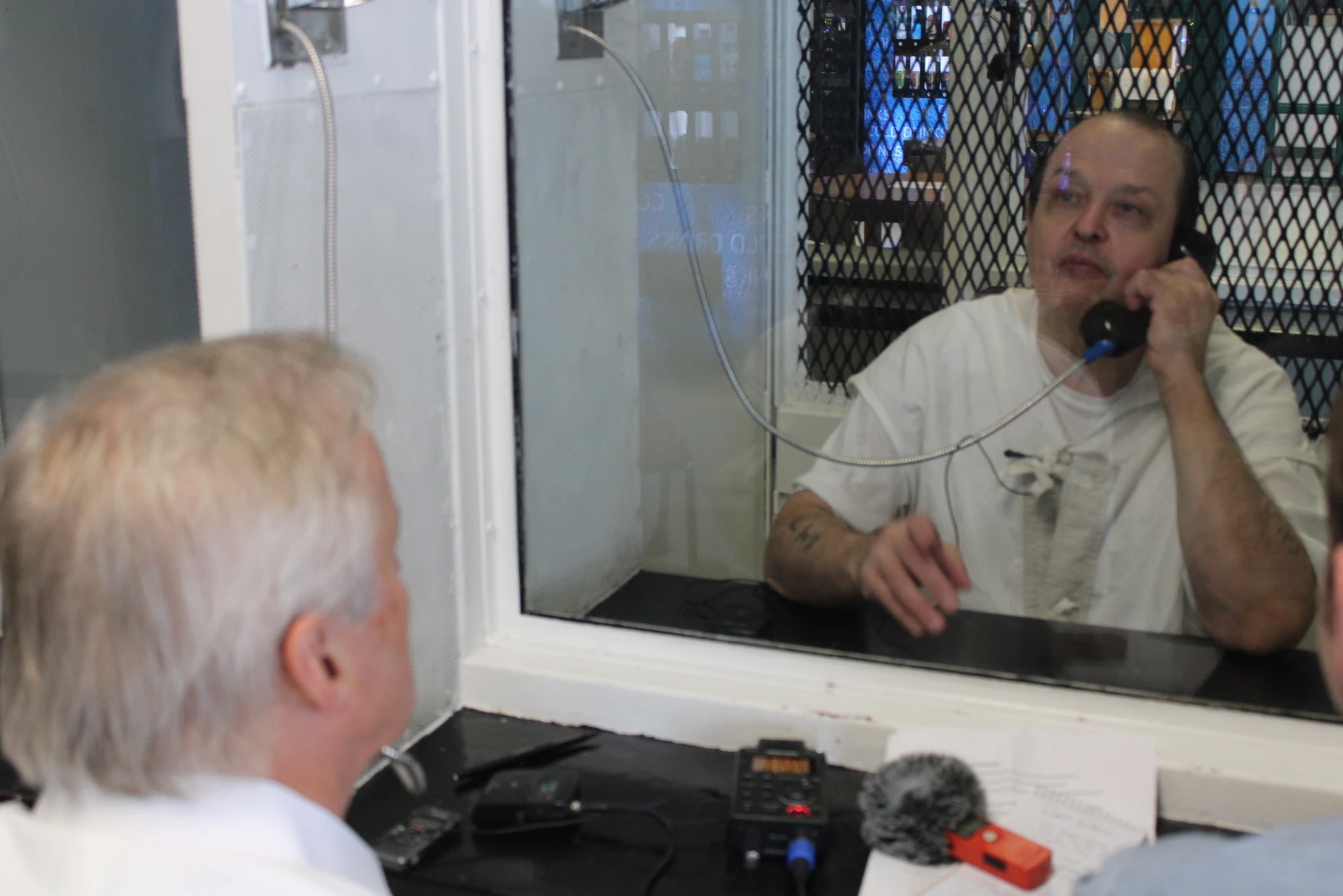
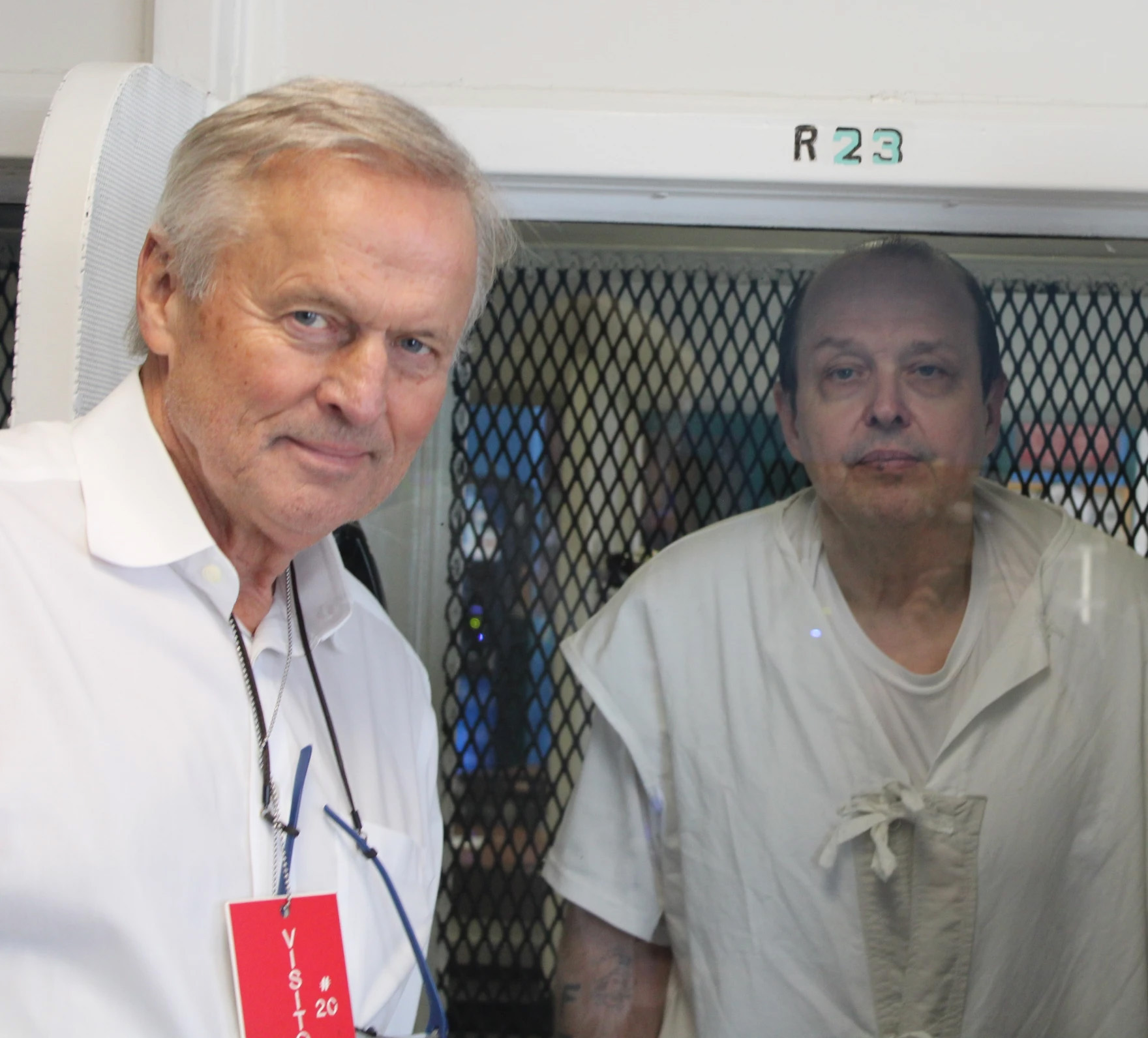
Robert Roberson was handcuffed behind his back when he was brought into the Texas death row media interview area.
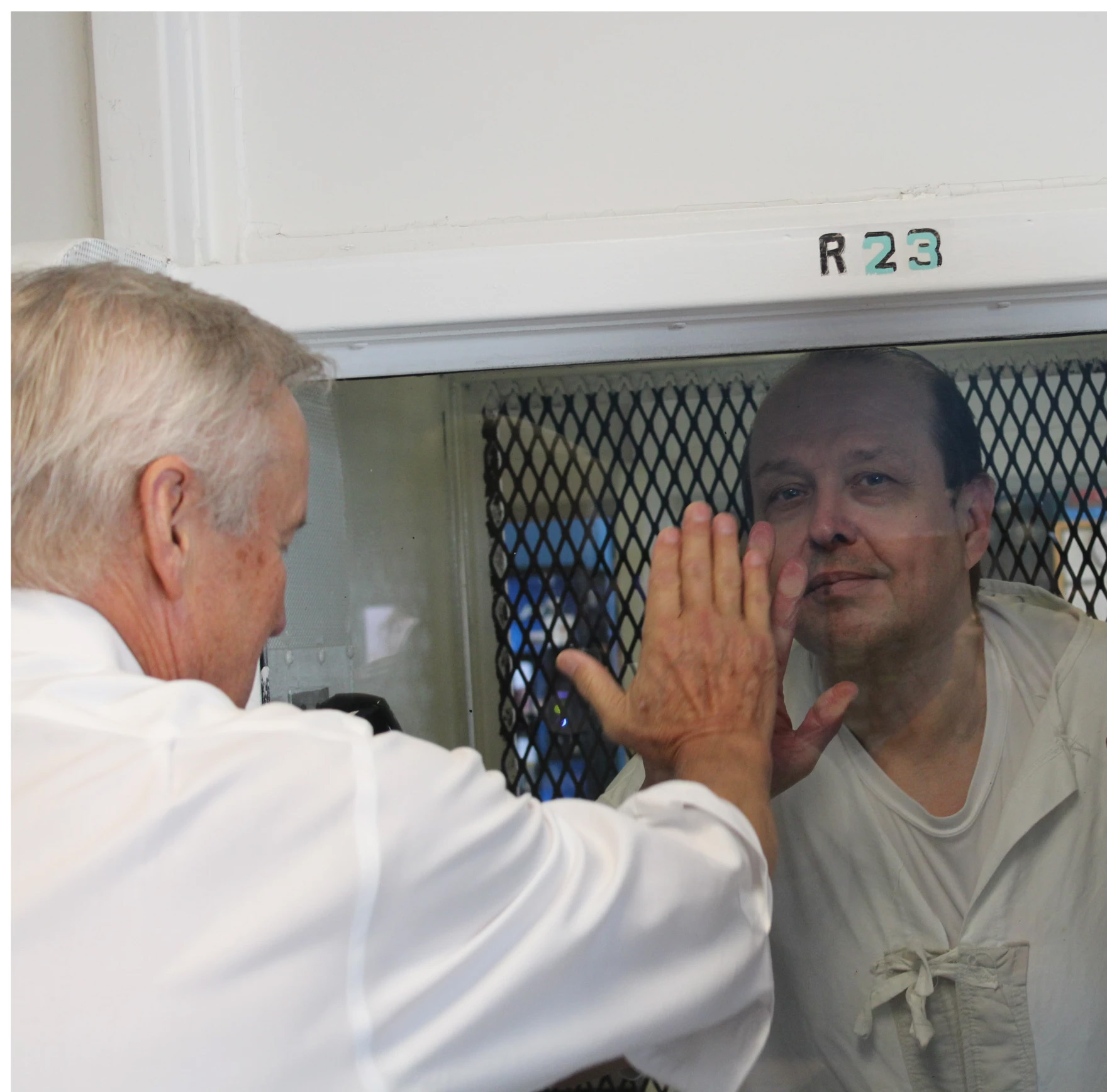
The guard locked him into a small cell. The cuffs were removed through a thin slot in the steel door. One side of the cell was bulletproof glass, and on the wall was an old-style telephone handset.
I was on the other side of that glass and on the end of the phone. Roberson is used to all this. He’s been on death row for over 20 years.
I interviewed Roberson last year when Texas was angling to execute him then. He came within 90 minutes of the lethal injection, but a last-minute legal maneuver saved him.
“I was relieved, not just for myself, but for my loved ones,” Roberson told me. “I said, I’m still just as innocent as I was when you all put me in there.”
In July, Texas assigned Roberson another execution date.
“Here we are again. Like they gave me another date, and the evidence has shown that I didn’t do it. It wasn’t even a crime committed,” Roberson said. “So it was like, what do we have to do to prove it?”
In 2003, Roberson was sentenced to die for the death of his chronically ill 2-year-old daughter, Nikki Curtis. Prosecutors based their case on the now-discredited theory of shaken baby syndrome. Nikki had contracted pneumonia. She had a fever of over 104 degrees, and doctors had given her codeine and other medications that suppressed her breathing.
But Roberson said when he showed up at the hospital with Nikki in his arms, she was turning blue — and he was immediately labeled a suspect in a shaken baby syndrome murder.
“Well, they acted real suspicious and stuff. And the way they was talking and stuff, acting like I was guilty and stuff. … They didn’t believe my story. Then they called the detectives in.”