Texas’ booming data center industry could dramatically increase pressure on the state’s water supply in the coming years, according to new research from the University of Texas at Austin.
A report released this week estimates data centers could account for between 3% and 9% of Texas’ total water use by 2040 — up from less than 1% today.
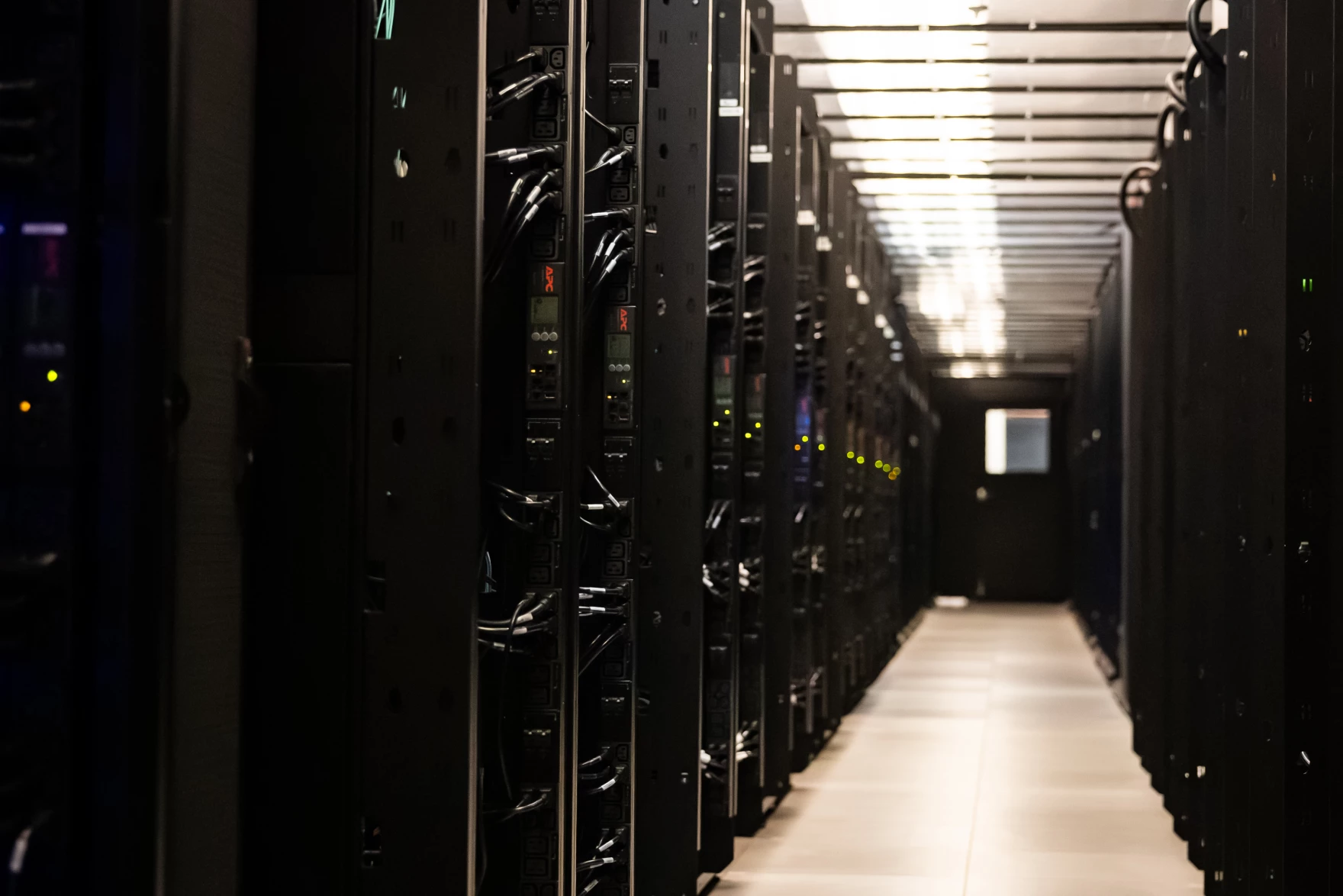
The findings come as Texas sees a boom in data center construction, driven largely by the rise of artificial intelligence and cloud computing. Researchers at UT say more than 400 data centers are already operating or being built across the state.
“There’s a lot of uncertainty surrounding the water use for data centers,” said Mariam Arzumanyan, a fellow at the Bureau of Economic Geology at UT Austin’s Jackson School of Geosciences.
Data centers use water to cool massive computer servers. They also require large amounts of electricity, and generating that electricity often uses water, too. But researchers say it’s still unclear exactly how much water the industry will ultimately use since different facilities rely on different cooling systems and energy sources.
Over the years, lawmakers and environmental advocates have increasingly scrutinized the industry’s rising electricity demand, strain on local water supplies and the long-term environmental footprint of large AI-focused facilities.
The concerns come amid worsening water shortages across Texas. According to a new state analysis, Texas will need at least $174 billion over the next 50 years to avoid a major water crisis, as prolonged drought, population growth and industrial demand continue to outpace existing water supplies.
In Corpus Christi, persistent drought and shrinking reservoir levels have left the coastal city under water restrictions for more than a year while officials scramble to avert a water crisis of their own.
Last month, Texas lawmakers held a hearing examining how the rapid expansion of data centers could affect the state’s power grid and water resources. Lawmakers questioned whether Texas’ infrastructure and regulations are prepared for the explosive growth tied to artificial intelligence and cloud computing.
Researchers at UT say Texas leaders and data center companies will need to take additional steps to reduce pressure on the state’s water supply.
Their recommendations include:
— Increasing transparency around how much water data centers use
— Improving coordination between industry leaders, utilities and local governments
— Using alternative water sources, like reclaimed wastewater, to reduce pressure on existing supplies