From NPR:
As early as Wednesday, Texas officials were marshalling the state’s emergency response resources to prepare for the coming storm.
By Thursday afternoon, the National Weather Service’s Austin/San Antonio office had issued a flood watch for multiple counties, warning of “pockets of heavy rain” and the potential for flooding.
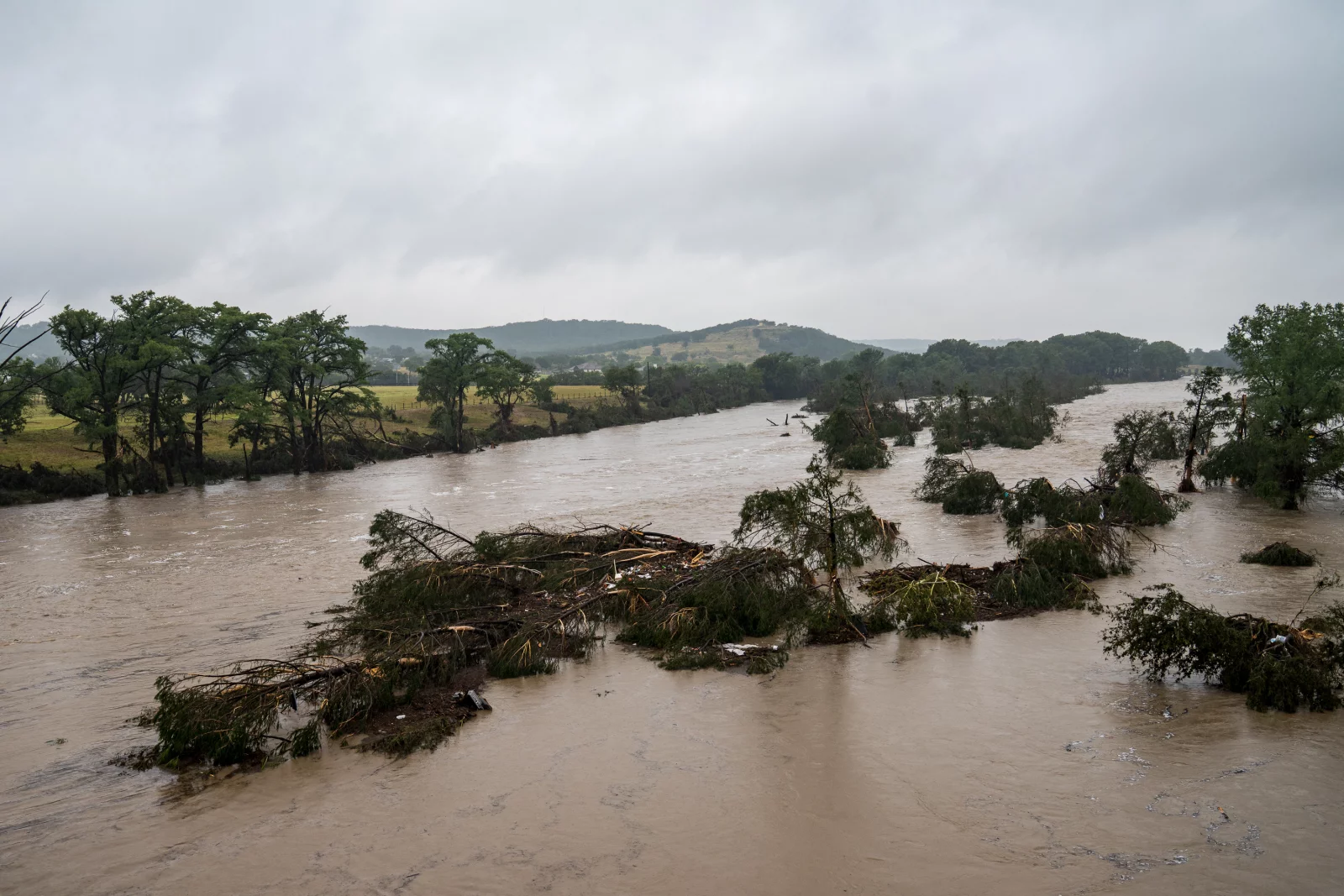
But when the storm unleashed its historic ferocity in the early hours of Friday morning, many were caught by surprise. Heavy downpours lifted the Guadalupe River 26 feet in just 45 minutes. First responders had to rescue hundreds of people who were left stranded by the rising waters, and at least 78 people died. Sixty-eight of those fatalities occurred in Kerr County. Many people are missing.
Judge Rob Kelly, the top-elected official in Kerr County, told reporters that flooding is common to the area, which he called the most dangerous river valley in the U.S., but it’s rarely this devastating.
“We didn’t know this flood was coming,” Kelly said. “Rest assured, no one knew this kind of flood was coming.”
A spokesperson for the National Weather Service (NWS), however, noted that the agency held forecast briefings for emergency officials on Thursday, issued a flood watch on Thursday and sent out flash flood warnings Thursday evening and Friday morning.
“The National Weather Service remains committed to our mission to serve the American public through our forecasts and decision support services,” NWS spokesperson Erica Grow Cei said in a statement.
In the aftermath of the storm, a division began to form between National Weather Service forecasters and some Texas officials who felt that their weather reports did not accurately predict the catastrophic power of the storm. But meteorologists say it is exceptionally difficult to guess exactly what a complex weather system will do and then convince officials and the public to prepare for the worst.
Extreme weather events can be tricky to predict
Michael Morgan, a professor of atmospheric sciences at the University of Wisconsin-Madison, said precipitation forecasting remains “one of the most vexing problems” of his field.