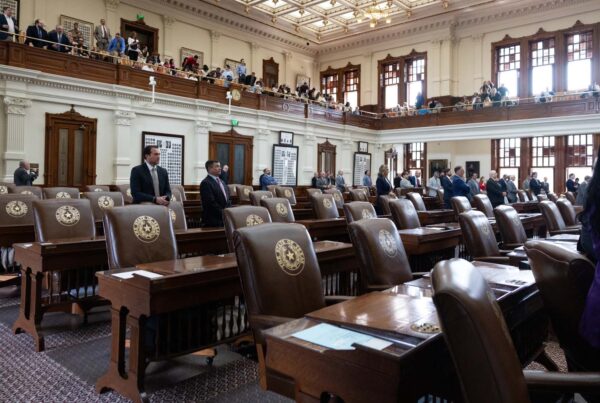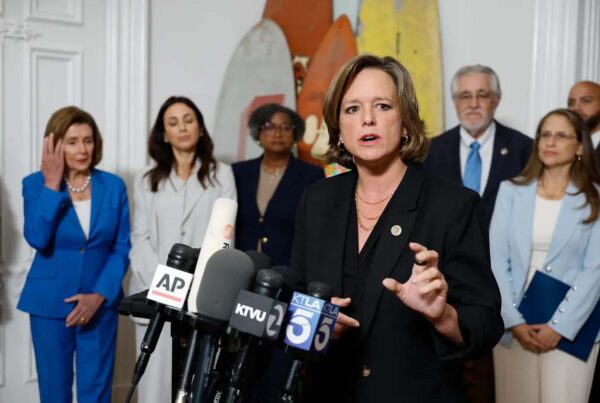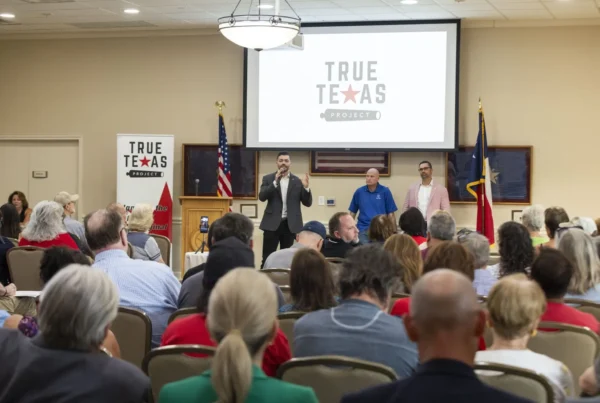
It’s been eight days since Democrats in the Texas House began their walkout, hoping to stop a Republican-led redistricting plan calculated to add five GOP seats to the Texas congressional maps before the midterms.
The tactic is to deny Republicans a quorum needed to move forward, a tactic used by lawmakers in the past.
State Attorney General Ken Paxton, a Republican with hopes to get elected to the U.S. Senate next year, has filed a lawsuit to have 13 of those Democratic lawmakers removed from their seats. Paxton is also taking steps to enforce arrest warrants in those democratically-led states to which those absent lawmakers have decamped.
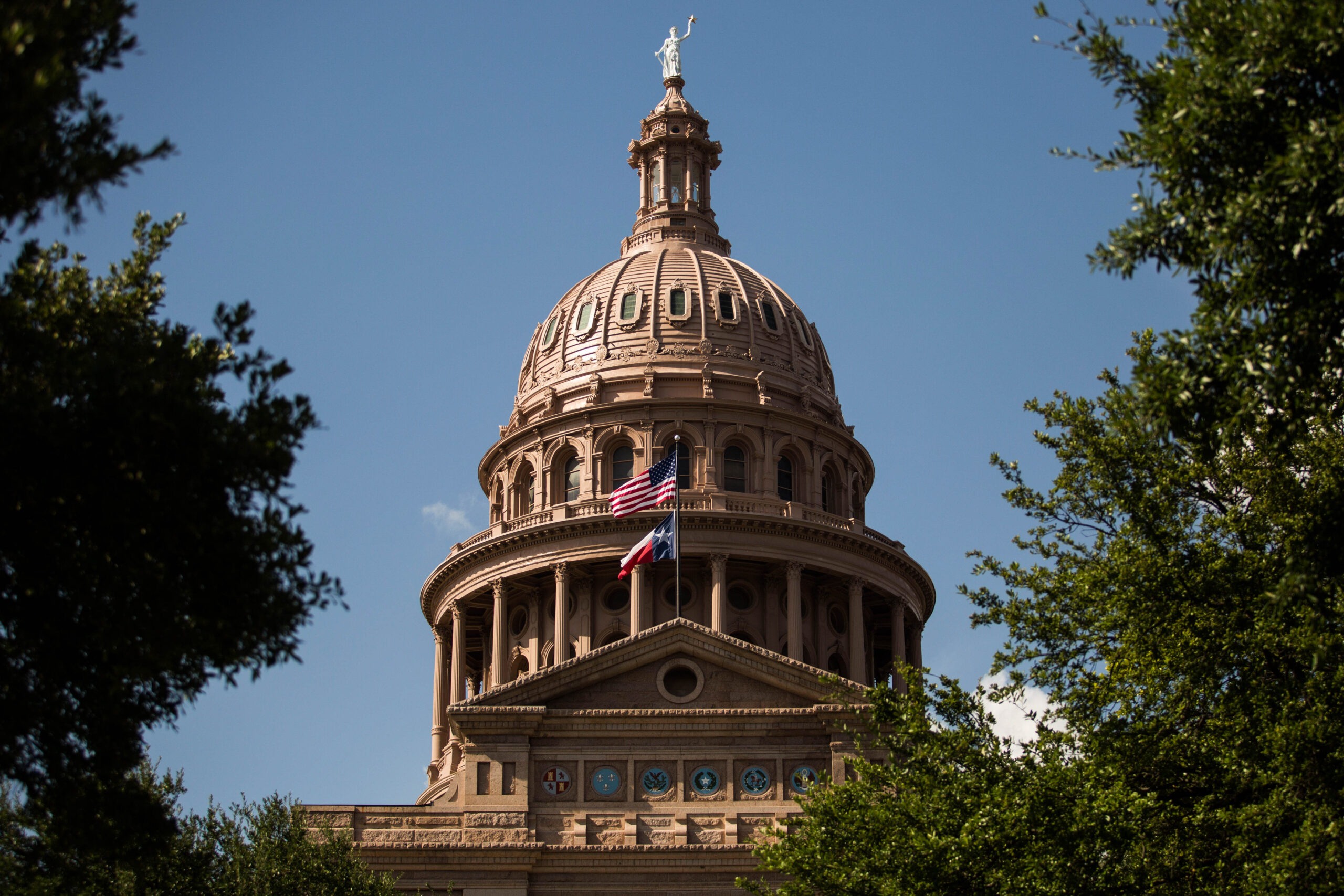
Against this backdrop, those still at the capitol are trying to move forward in this final week of this special session, with much still left on the agenda that doesn’t have anything to do with redistricting.
Blaise Gainey, who covers state politics for The Texas Newsroom, said House committees can still meet, even without a quorum.
“All they need is a majority of members to be there, and Republicans have the majority on each committee,” he said. “But once they pass a bill out of committee… It just goes and sits on the House calendar until Democrats get back and they can have a quorum.”
It is still unclear whether the missing House Democrats will return before this special session ends.
“They may end up showing up before the session ends. But there’s only about 10 days left of the session,” Gainey said. “It started on the 21st of last month, and it only lasts 30 days. So it’s not much time left for Republicans and Democrats to reunite on the House floor and get things passed.”
The Senate is still moving on priority legislation, including disaster relief for the Hill Country communities impacted by the July 4 flooding. This week, the Senate Finance Committee is discussing SB 3.
“The bill includes $200 million to cover what is projected to be around 25% of the non-federal matching funds the state will need for FEMA reimbursement, and then $50 million for sirens, rain gauges, and other flood monitoring and alarm-related equipment,” Gainey said.
“Essentially, it’s the relief bill for the Hill Country area that was impacted by the flood, helping them not only recover, but moving forward, better be able to see floods coming, and then obviously the sirens for when a flood is coming – being able to alert people to get to higher ground.”
» GET MORE NEWS FROM AROUND THE STATE: Sign up for Texas Standard’s weekly newsletters
The Senate is also discussing SB 8 this week, which is the bill that would do away with the end-of-year STAAR assessment in Texas schools.
“It gets rid of the STAAR test for three shorter tests that would be taken in the beginning, middle, and end of the school year. Apparently, the test results will come back faster so teachers could know the improvements and what they need to focus with students on,” Gainey said. “A lot of people like the idea, but exactly what these three tests look like is what the fuss is over, I guess, or what people are still sort of holding out on.”
But even if the Senate passes these bills, legislation can’t make its way to the governor’s desk without a quorum in the House. And if the governor ends up calling a second special session, Gainey said the clock starts over and the Senate has to pass all these bills again.
“But they would be able to essentially file the same language, and you would assume if it passed the Senate that it would do so very quickly in a second special session,” he said. “I think everybody in the U.S. is looking at what Texas House Democrats are going to do, whether they’re going to return or continue evading returning back to the Texas House floor.”