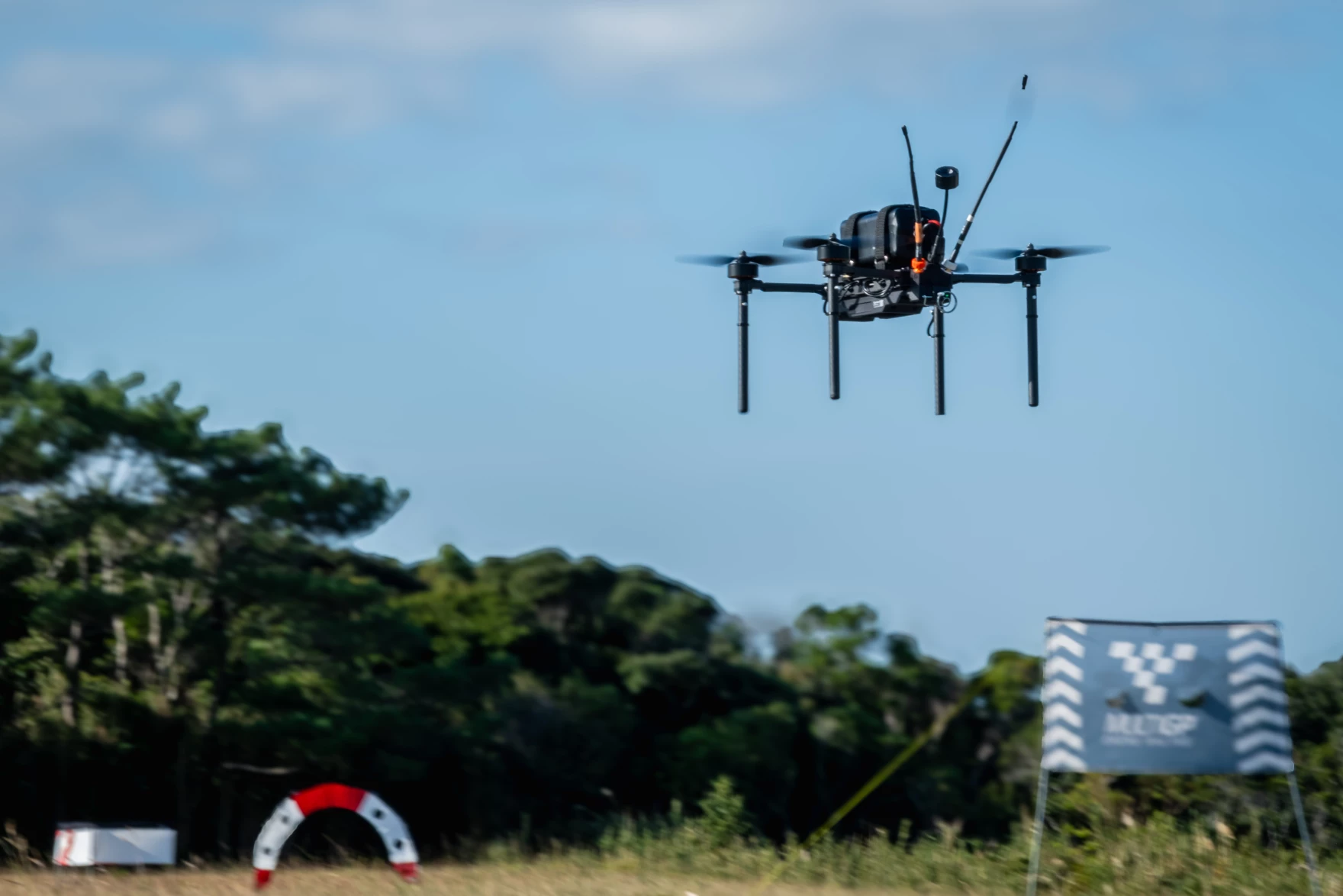
For years, the U.S. military has been fielding small drones equipped with cameras that let troops see, for instance, over nearby hills or inside treelines. Now, though, the U.S. is trying to catch up to geopolitical adversaries such as Russia and China, which are using drones as weapons.
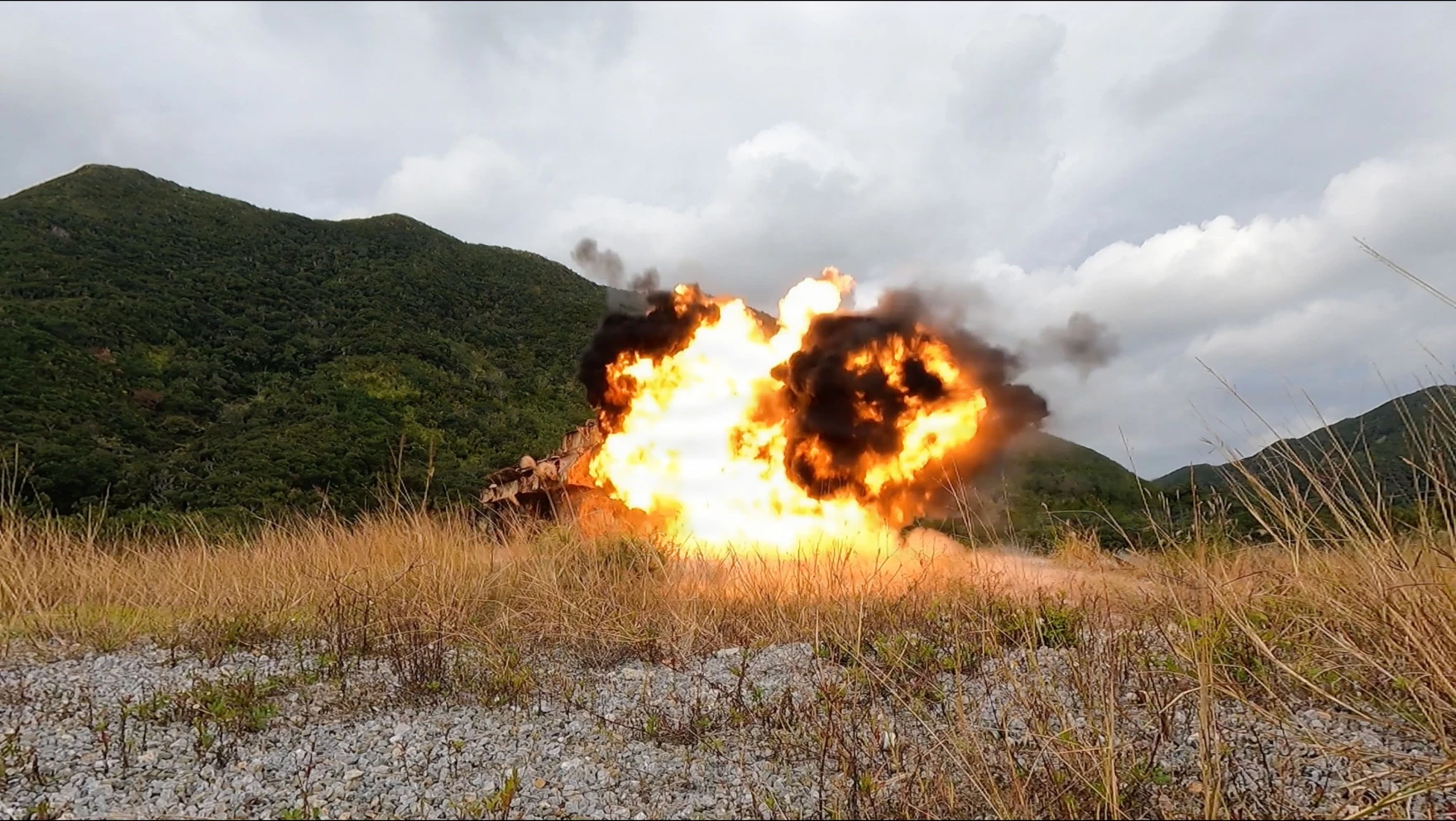
The Pentagon has begun a huge push to buy hundreds of thousands of so-called “one-way” attack drones, which can fly to a target and explode. The unmanned devices are the dominant weapon in the Ukraine war, where drones are responsible for about three-quarters of the casualties.
“Both the American commercial drone industry and the Pentagon are years behind the curve in producing and employing drones,” said Senate Armed Services Committee chairman Roger Wicker, a Mississippi Republican, at a recent hearing. “Catching up is as necessary as it is difficult, but I believe we’re finally on the cusp of charting a future for American drone dominance.”
Indeed, “Drone Dominance” is the name of the Pentagon’s new billion-dollar program to jump-start mass production of small attack drones. Secretary of Defense Pete Hegseth last summer vowed that such drones will be fielded to every Army squad by October of this year.
Squads are the smallest tactical unit and usually have six to 10 soldiers.
Hegseth has loosened purchasing regulations with the goal of speeding large-scale manufacturing. And the Drone Dominance program is staging competitions among manufacturers in which troops evaluate them. It held the first of four competitions in February and has ordered 30,000 of the drones selected there. The next competition is scheduled for August, and others will be spread over another year or so.
The Pentagon’s goal is to select enough manufacturers to buy another 300,000 next year.
That still isn’t a lot by the standards of the Ukraine war, said Kateryna Bondar, who researches drone warfare at the Center for Strategic and International Studies.
“Ukrainians produce 6 million drones per year,” she said. “Of course, that is a country in a state of war. But what the United States needs drones for right now, and really urgently, is for training, integrating them into tactics and doctrine, updating the way the U.S. military fights.”
So, think of those 300,000 drones as expendable.
“You can treat them as bullets. Basically, that’s how they do it in Ukraine,” she said. “It’s definitely not enough, but I think it’s a good first step.”
Pentagon acquisition programs for new weapons systems have been notoriously slow, but the Drone Dominance program is designed to move quickly. Manufacturers are essentially told to bring what they believe will work for the realistic scenarios of the tests, and troops who will be using the drones in the field operate and evaluate the entries.
The goal is to pick drones that can do the job and scale up manufacturing quickly — both to get the large numbers needed and to drive down costs from an initial $5,000 or so per drone to less than $2,000.
Bondar said the Pentagon’s drone-buying initiative is a good first step. But just as important is teaching the troops to use them.
“If you talk to Ukrainian military, they would tell you that despite all the cool software, AI, and all this kind of stuff, eighty percent of strike mission success depends on drone operator skills,” she said. “How to integrate them, how to actually fight with them — this is something valuable, and it’s really hard to buy for money.”