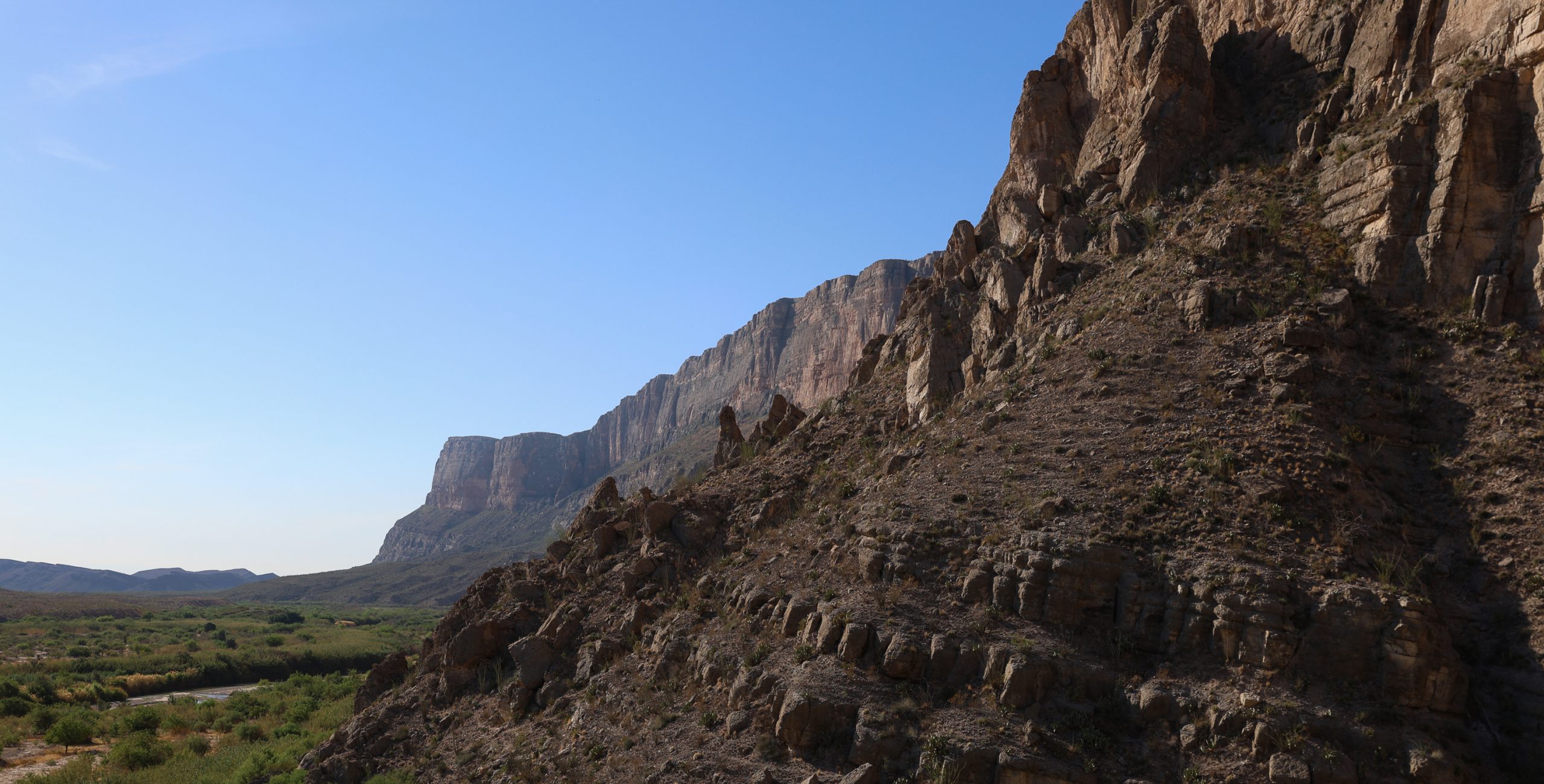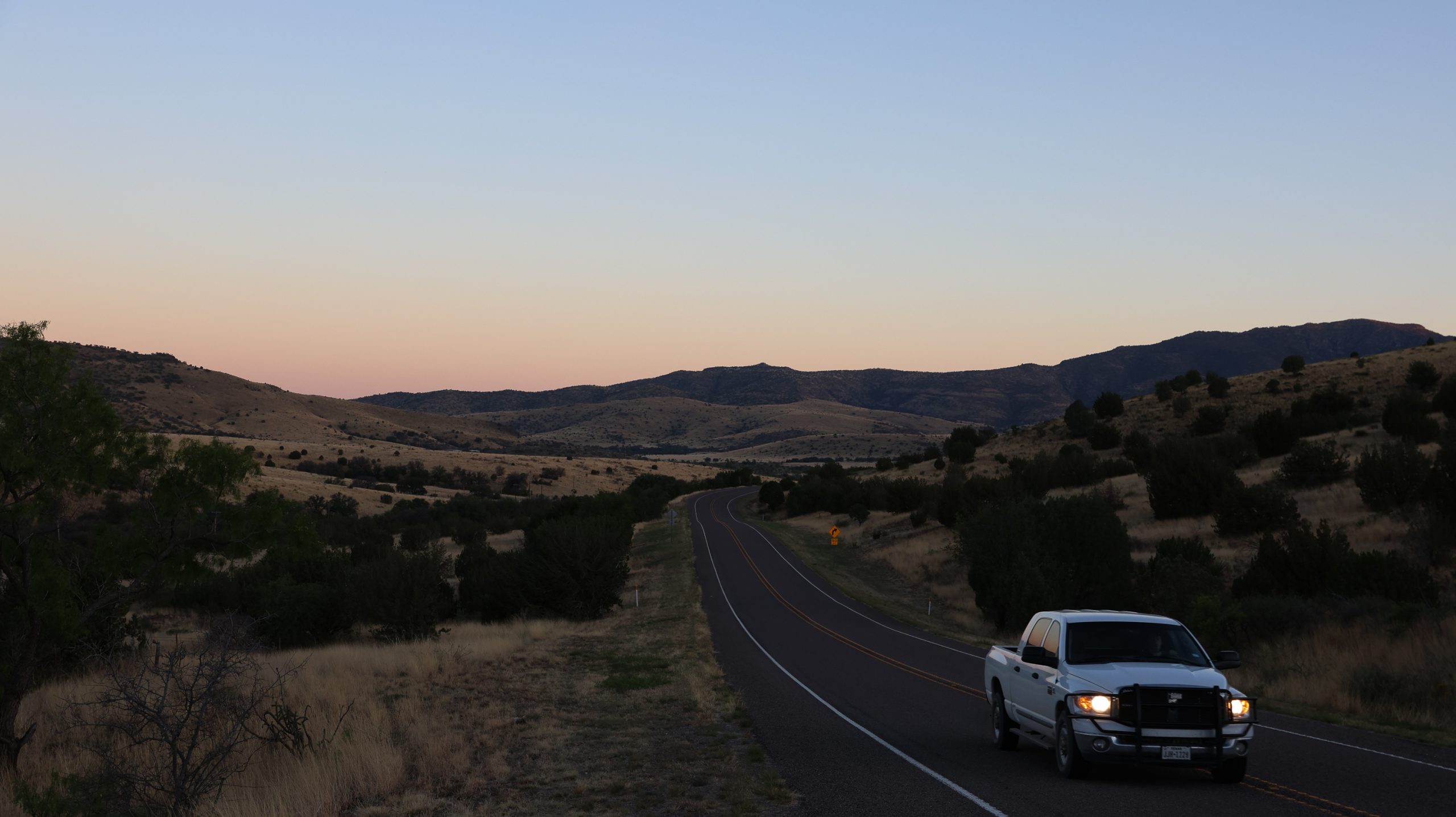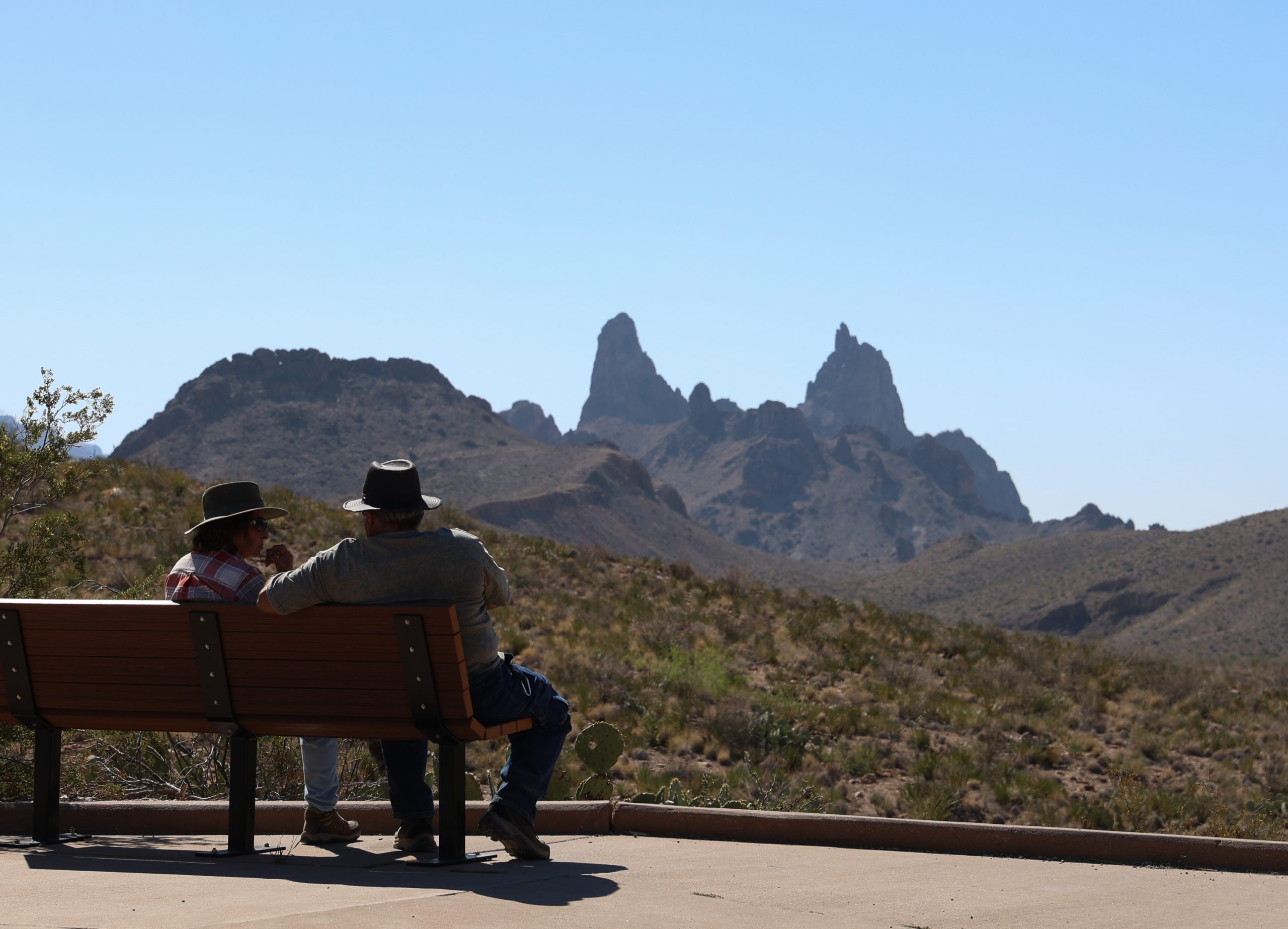
On lists of the most stunning places in Texas, Big Bend National Park is frequently at the top.
Not among the most-visited parks in the country, it’s a rugged and isolated preserve of West Texas desert wilderness. That’s part of the draw — Big Bend is larger than Rhode Island, spanning an 800,000-acre stretch along the Rio Grande, and if you time your visit right, it’s not uncommon to spend hours on a trail without meeting another person.
Yet, once a remote vista lucky to draw 300,000 visitors in a year, the park has seen a more than 40% growth in visitation over the past decade. That’s still far below more accessible staples like Great Smoky Mountains, which draws 23 times the number of visitors as Big Bend in a given year, but it’s on the rise; and as the park’s popularity has grown, so too has its stature.
Big Bend has topped headlines in recent months over shifting plans by the federal government to construct a border barrier along the U.S.-Mexico border.
The park, a central biosphere and ecological crossing for wildlife in the region, was once thought to be safe from that development because of the region’s low illegal crossing numbers. The Border Patrol sector tasked with immigration enforcement in Big Bend has historically seen the lowest number of encounters of any southern border region.