New documentary ‘Hope for the Guadalupe’ tells the story of healing a river and community

“They lost neighbors, they lost loved ones, they lost dear friends,” said director Ben Masters, “and that’s a part of their resolve of healing the river.”

By Laura Rice & Charlie SharpeJune 11, 2026 9:23 am, , ,

In the summer of 2025, the filmmakers of “Hope for the Guadalupe” went to Hill Country to make a documentary about Texas rivers.

Then they found themselves in the middle of a historic disaster.

Ben Masters is the founder and director of Fin & Fur Films, which makes natural history films. On that July 4 weekend, he and his team were in the area to film the rain. Friday morning, the crew set out their cameras, ready to roll.

Things changed suddenly. Slow-moving storms caused a catastrophic flood event that would not end until July 7. “It became very obvious very fast that we needed to get in there in the brush and just start helping people,” Masters said.

During the flood, the Guadalupe River rose to its highest level in recorded history.

The focus of the documentary shifted. Masters felt it needed to address the element of human loss in the wake of the flood. “The movie is about restoring the Guadalupe River, but we had to show the flood. We had to acknowledge the grief,” said Masters.

“To not have that be a part of the story would be disingenuous to the story itself,” Masters said. “The characters that we show in the film that are working to restore the river, they lost neighbors, they lost loved ones, they lost dear friends, and that’s a part of their resolve of healing the river.”

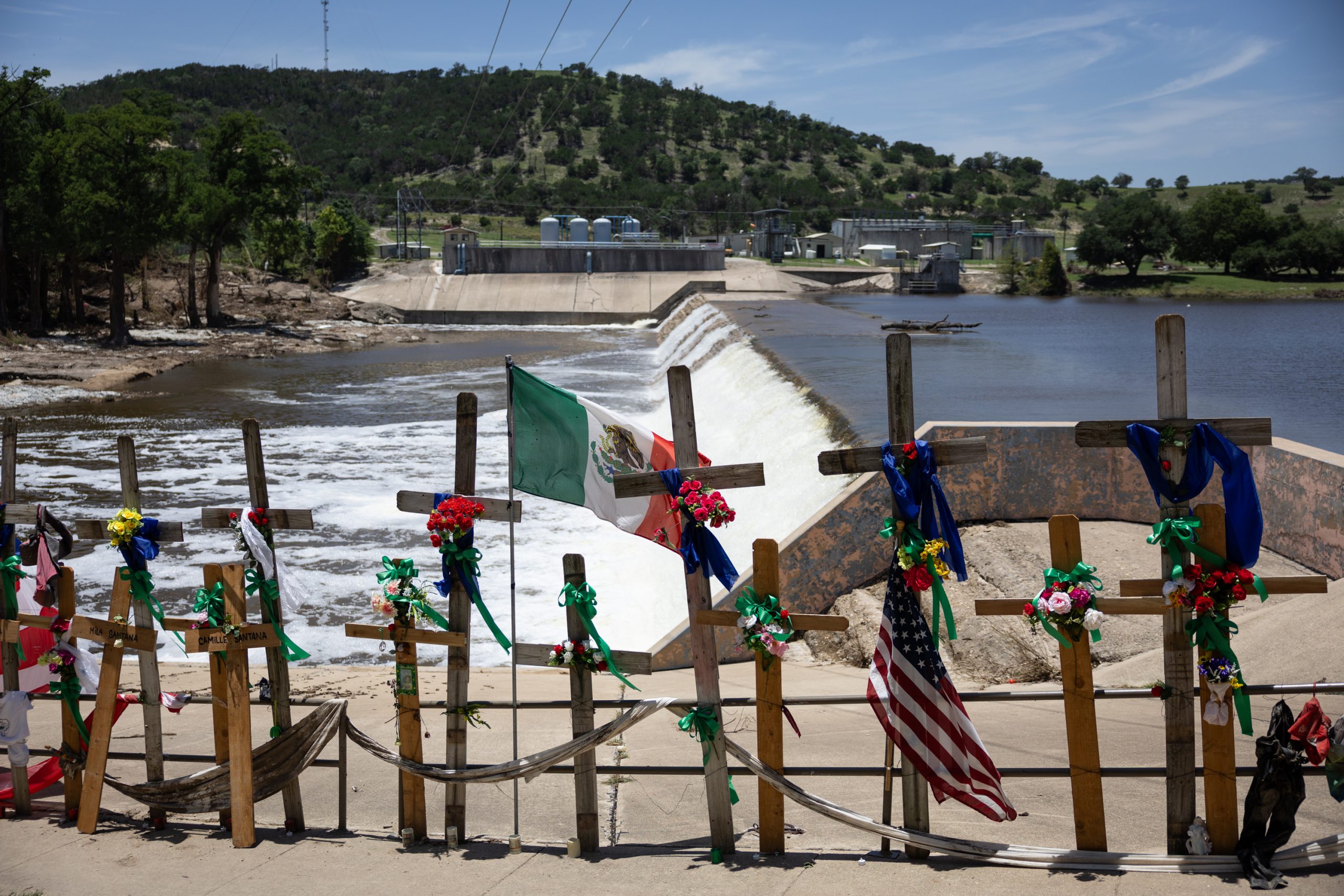
The Guadalupe flood took the lives of at least 137 people. At least 30 were children.

The filmmakers witnessed an outpouring of support as volunteers and rescuers came from all across the continent to aid in rescue efforts. “Whenever I was there during the recovery efforts, I met a guy from North Carolina, and I met the guy from Houston, and there was this canine team that was from Mexico that came in to help our fellow Texans,” said Masters.

“It’s not just the landowners there along the Guadalupe River,” said Masters. “Obviously, they’re crucial for the effort, but it’s nurseries across the state that are propagating the trees. It’s money that has poured in from garden clubs from all over the state — from Houston, from Dallas. And it’s volunteers that are showing up and helping with river cleanup efforts and with seed plantings and with tree plantings.”
These restoration efforts have been crucial. The most damaged areas are in what is known as the riparian zone, the transition point between the water and the uplands. Certain spots along the river lost the majority of their trees and vegetation, either during the flood itself or the cleanup of debris. 

Healing the river habitat has been a community effort. 

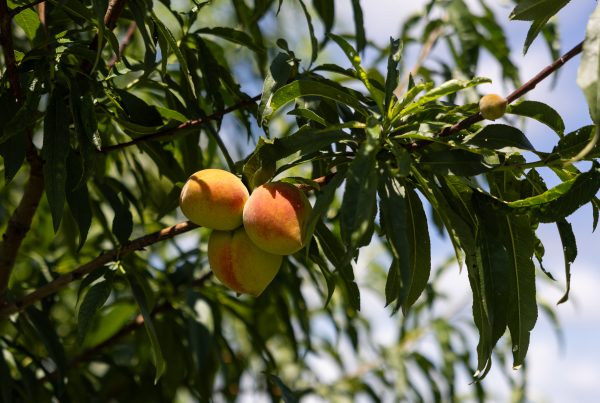
Some of these efforts, Masters said, include spreading native grasses and other plants in the damaged areas to prevent invasive species from occupying the new vacancies. Several dozen nurseries across Texas planted cypress, sycamore, walnut, baccharis and other native riparian trees.

“In the next few years, they are going to grow and plant and nurture over 50,000 trees up and down the Guadalupe River in areas where those riparian forests were taken out,” said Masters.

These species in the riparian zone can help to protect the area against future flooding.

“It’s this really important part of the landscape that has these deep roots, it has this rich soil,” Masters said. “Whenever the riparian area is healthy, it soaks up huge quantities of water into the soil. And then whenever you have dry periods, that water is like a sponge that slowly releases back into the river channel so that the river continues to have a base flow. But it’s also important for flood resilience. Whenever it does flood, that water kind of dissipates, that water slows down. It’s not rushing and gushing as fast as it would if it was just a big naked flood plain where the water was traveling as fast gravity would take it.”

The documentary ends with opportunities for viewers to be involved with or donate to flood recovery. Proceeds will benefit The Hill Country Alliance, Kerr County River Foundation, San Antonio Botanical Garden and the Hunt Preservation Society.

Viewers can visit hopefortheguadalupe.org to donate.

“There’s thousands of people that are involved in this restoration effort, and that’s been a really beautiful thing to see,” Masters said.

You can watch “Hope for the Guadalupe” now for free on YouTube. It’s also screening July 1 on Austin PBS.

If you found the reporting above valuable, please consider making a donation to support it here. Your gift helps pay for everything you find on texasstandard.org and KUT.org. Thanks for donating today.