From KTEP:
By the time Evelyn Morales learned that her brother, Alberto, had been diagnosed with kidney failure in the United States, she knew the disease well. One of her sisters had died of the same condition four years earlier.
Alberto worked on construction crews and painted houses across the U.S. for more than a decade. But one day, the 37-year-old’s body gave out. Struck by fever and pain, he could no longer work.
“My mother told him to come back to El Salvador,” Evelyn said in an interview in her home, which borders a sugar cane plantation in Jiquilisco. “She told his wife to find a way to buy his ticket, because if he died, she wanted to bury him in his homeland.”
Mesoamerican nephropathy, a form of chronic kidney disease, represents a growing health crisis among Central Americans, at home and in the U.S.
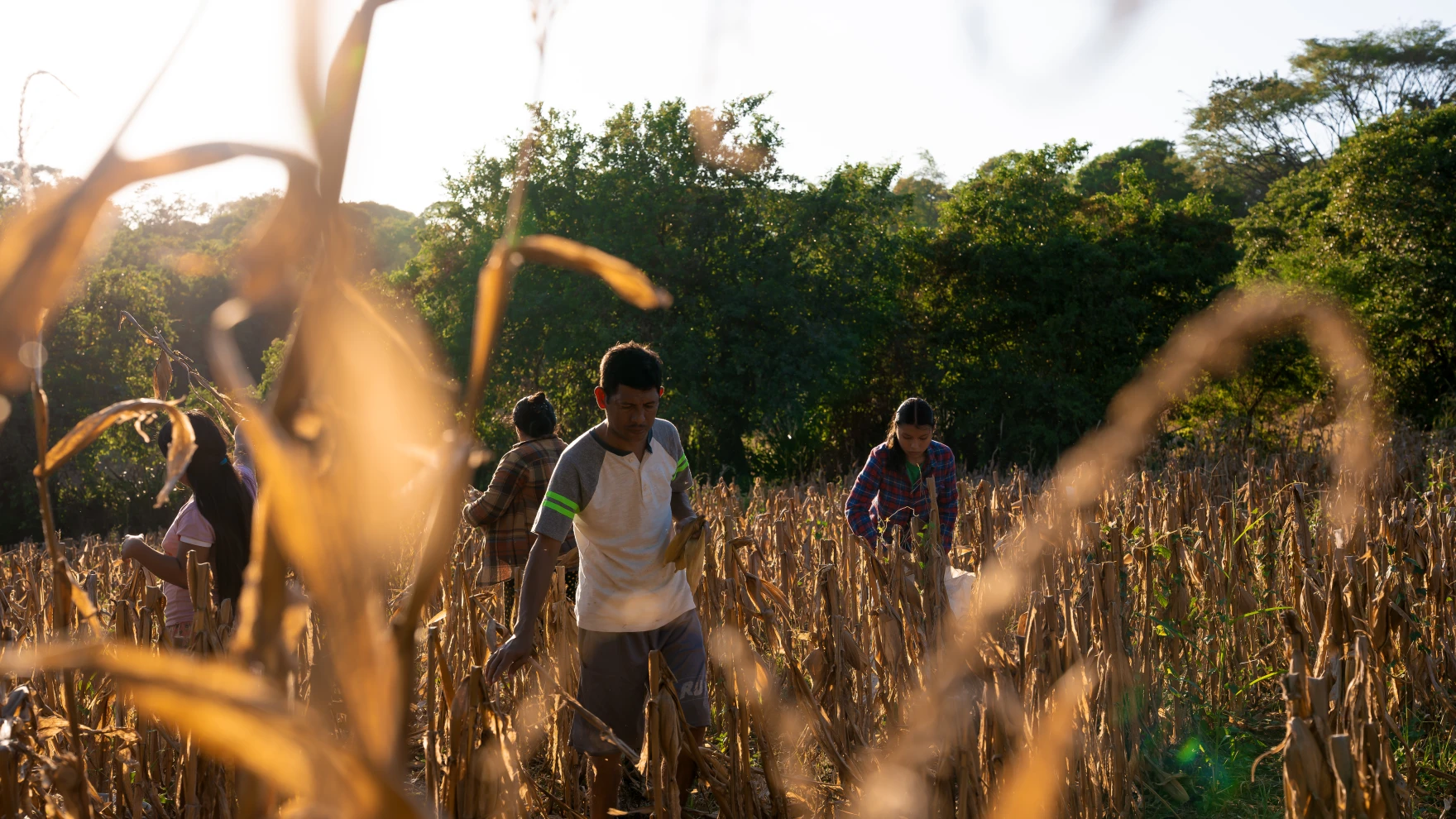
The illness, whose exact cause remains unknown, appears to have a common origin: It strikes people mostly along the Pacific coast of Central America, from Costa Rica to Guatemala. Experts studying the disease point to a combination of likely causes, including exposure to agrochemicals, heat stress from prolonged hard labor in hot weather, and inadequate hydration.
Ramon García Trabanino, vice president of the Latin American Society of Nephrology and Arterial Hypertension, who has studied the disease since the 1980s, said the illness follows the heat. With climate change, the region is only getting hotter.
“The illness is here to stay. Global warming and heat will continue complicating things,” he said. “There’s no hope; every year it will get worse.”