From KUT News:
Disability rights advocates are urging Texas to withdraw from a federal lawsuit they say could weaken the protections that allow disabled people to live in their communities instead of institutions.
The Texas-led lawsuit is questioning the constitutionality of the integration mandate — a requirement in the Americans with Disabilities Act that generally requires public entities to provide services to people with disabilities in the way least disruptive to their lives, according to Sabrina Gonzalez Saucedo, director of public policy and advocacy at The Arc of Texas, a disability rights advocacy group.
“[The integration mandate] means that people with disabilities should have the opportunity to live in the community and receive services in the community when appropriate, and not be unnecessarily separated or forced into institutions,” Gonzalez Saucedo said. “This is all about being in the least segregated environment.”
Disability rights advocates and politicians gathered at the Texas Capitol in July to denounce the state’s involvement in the lawsuit. ADAPT of Texas, a grassroots disability rights group, hosted the rally.
Attendees were encouraged to call Attorney General Ken Paxton’s office to urge Texas to withdraw from the lawsuit. Paxton, who is the lead plaintiff in the case, did not respond to requests for comment.
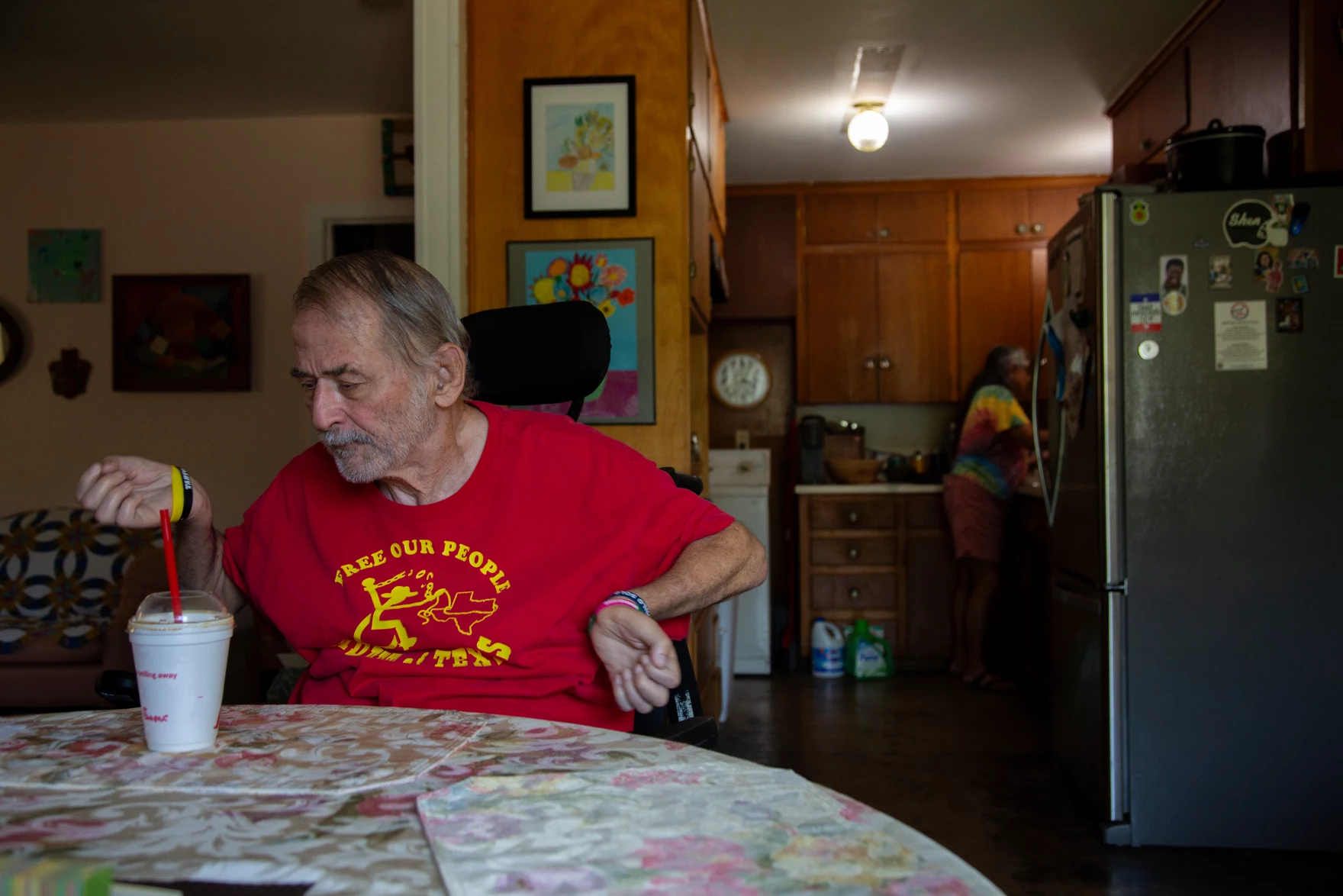
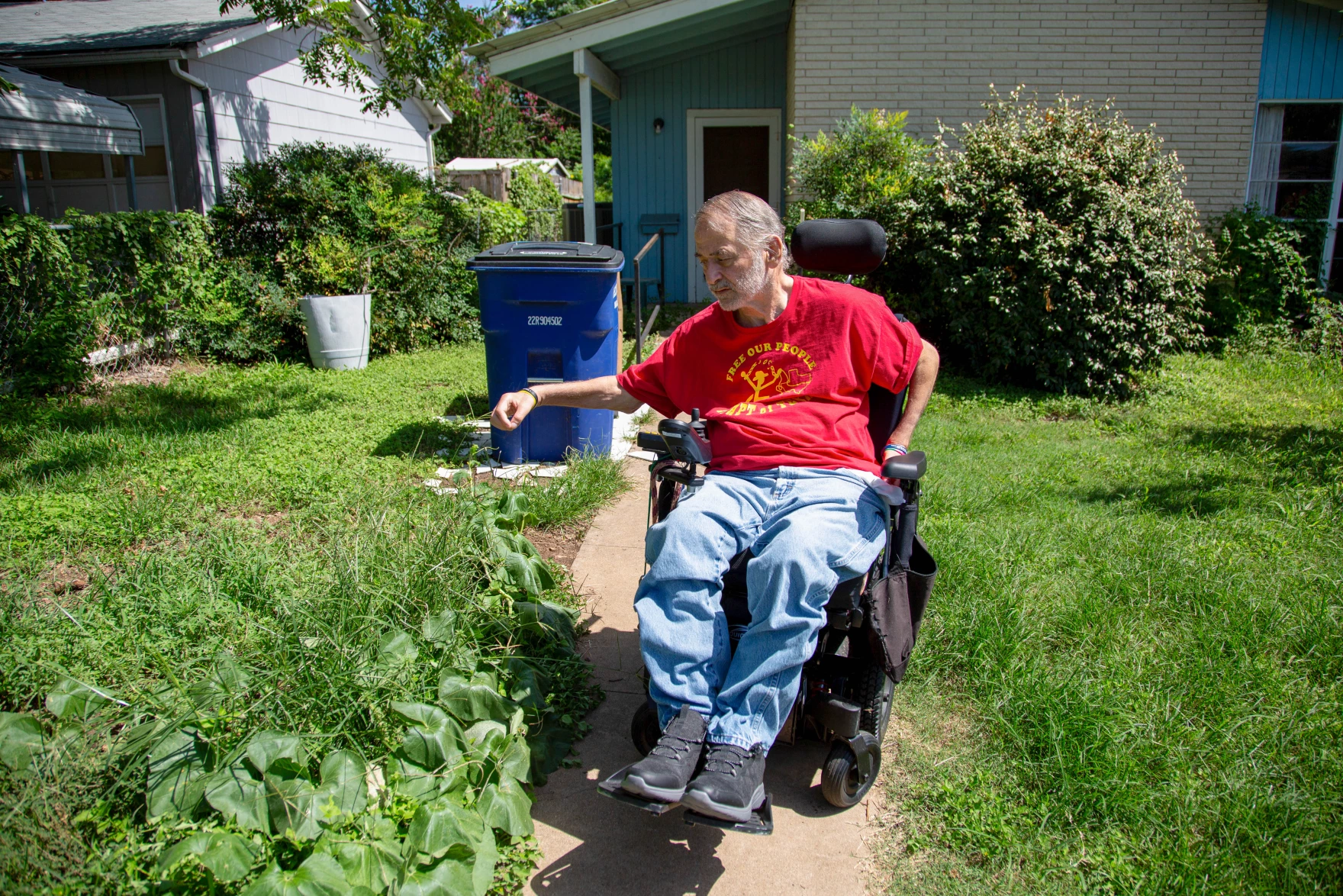
Ron Cranston, a longtime ADAPT volunteer, became quadriplegic at 19 after a spinal cord injury. Now 70, he said he has watched disability rights ebb and flow over the decades and believes Texas v. Kennedy poses a serious threat to disabled people’s ability to remain in their homes and communities.
“Sometimes we are building the rights and the mechanisms through statute, through programs to make sure that we have our access, we have our support,” Cranston said. “Other times we’re just fighting to keep them, and we need to continue to be vigilant. … Things can change at a moment’s notice.”
Cranston said that living in his home allows him to maintain independence and family connections, something that would be difficult to preserve if he were placed in an institution. Being able to see his grandchildren regularly is one of the everyday freedoms he worries could be at risk, he said.
“I can go on and go to the store, or just stroll around the neighborhood with my wife, and I don’t have to go ask somebody to do that,” Cranston said. “It’s just a basic liberty that we have in living in our homes versus an institution.”