From The Texas Tribune:
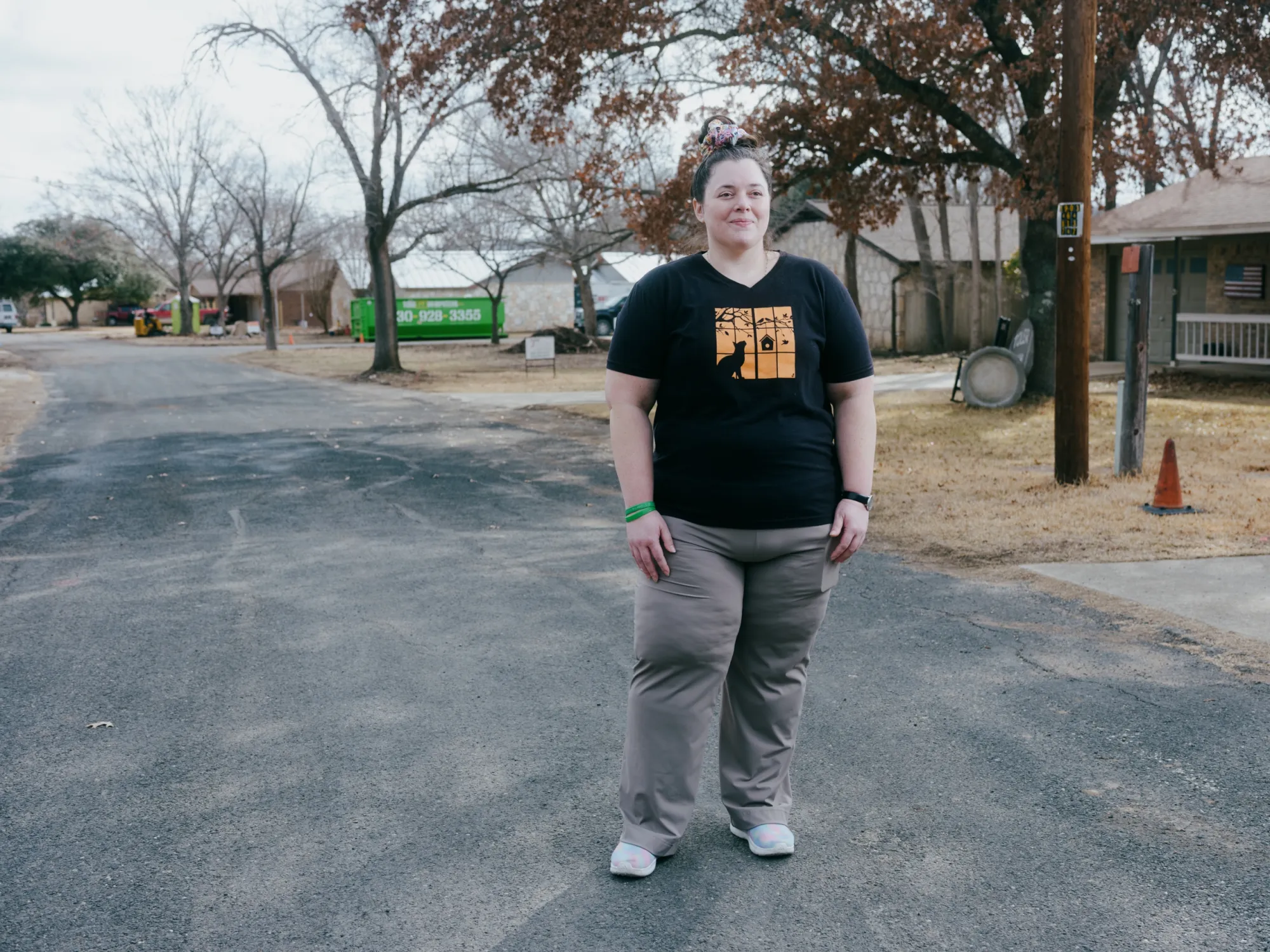
KERR COUNTY — The sound of construction machinery filled the air as Kylie Nidever walked past properties ravaged months earlier by floodwaters.
Nidever’s home was among those in her Bumble Bee Hills neighborhood untouched by last year’s July 4 flood, one of the deadliest disasters in Texas history. The 35-year-old understood the draw of the tranquil Kerr County subdivision, where she played as a child in a nearby creek that fed the Guadalupe River. But she was taken aback by how enthusiastic most of her neighbors were to rebuild.
Nidever wondered why the government had let people build in any areas long known to be dangerous and whether leaders would intervene now.
“Is somebody going to come in and stop us?” said Nidever, who has considered moving. “If it happens again and it’s worse next time, people will die in this neighborhood.”
After last summer’s disaster, some Texas legislators scolded local officials for their decision not to invest in flood warning sirens and for the chaotic emergency response. Other elected leaders excused the storm as so massive that no one could have prepared for it.
But lawmakers failed to address the underlying problem: They have repeatedly rejected bills that could protect residents in the state’s most dangerous, flood-prone areas, an investigation by ProPublica and The Texas Tribune found.
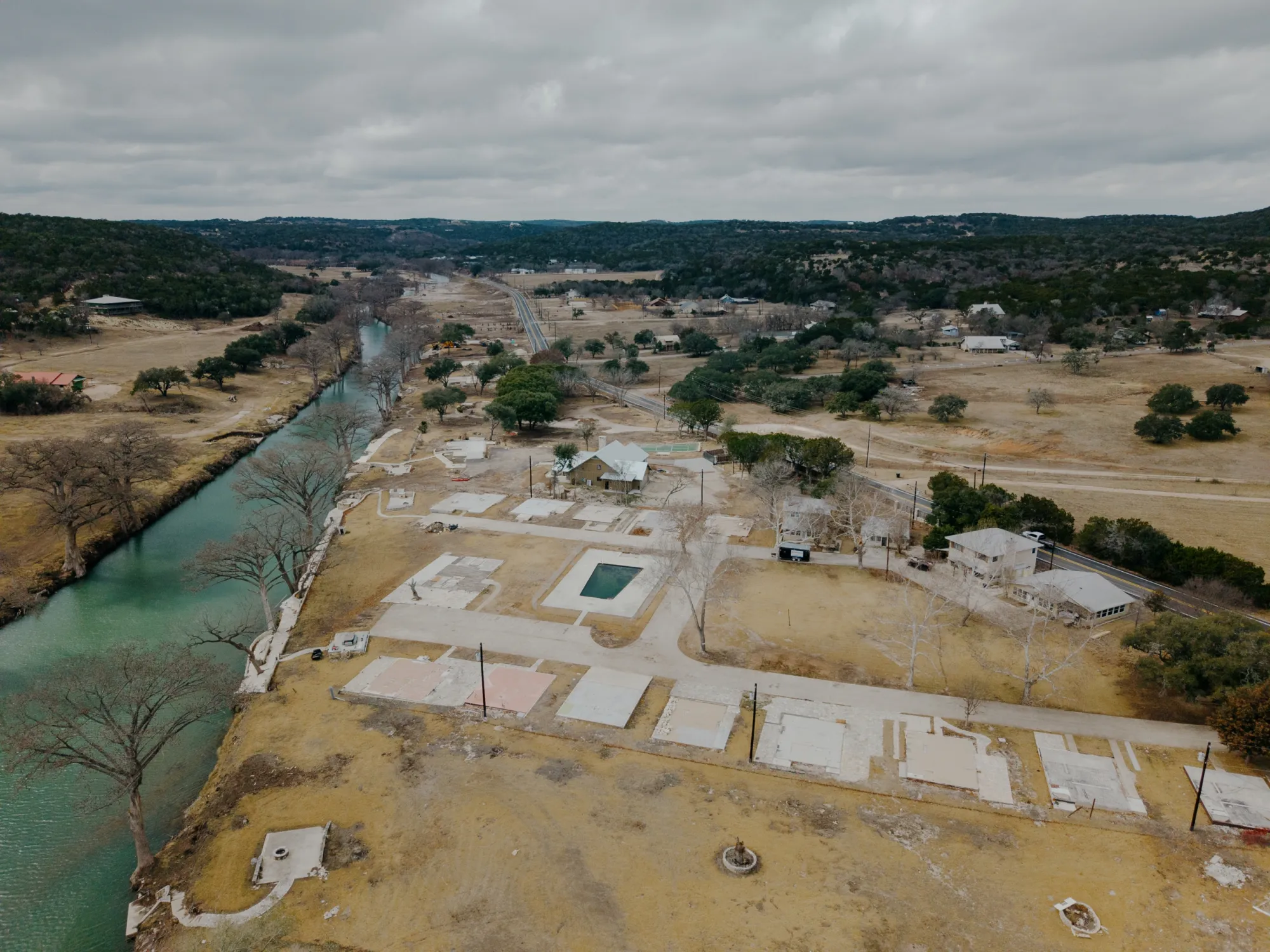
The majority of the 137 people confirmed to have died across five counties in the July 4 tragedy were staying in places identified by the federal government as being at risk for flooding, the newsrooms found. These were places where state lawmakers had a chance to curb development, but didn’t.
The newsrooms reviewed nearly 60 years of legislation and identified over five dozen flood safety bills rejected by lawmakers.
The most consequential measures, experts said, could have saved lives by stopping construction in the areas at greatest risk for flooding, including where people later died on July 4.