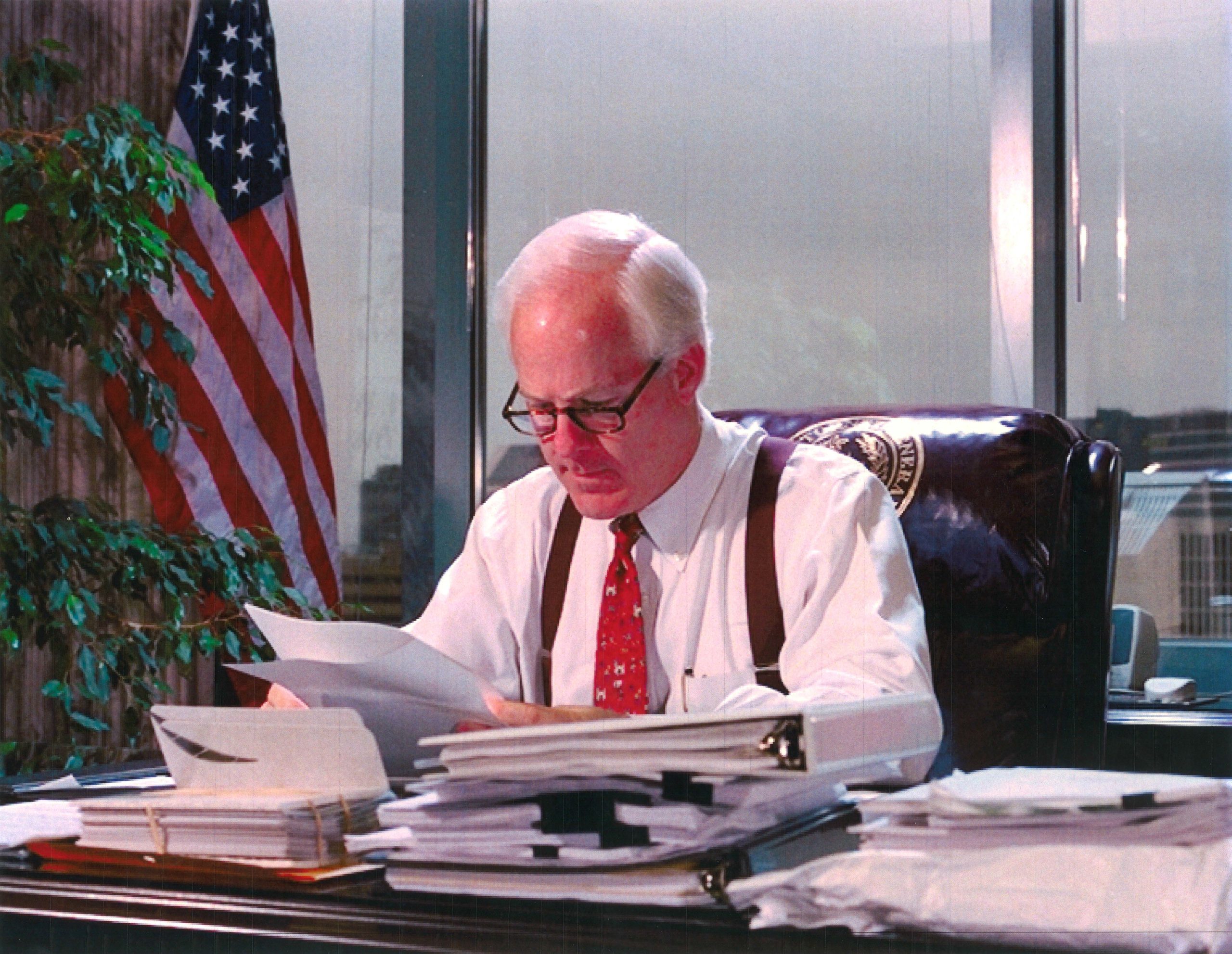
In 2002, then-Texas Attorney General John Cornyn ran to replace a nationally known political figure: Retiring Sen. Phil Gramm. Back then, he ran as a fresh face — someone promising to bring new ideas to D.C.
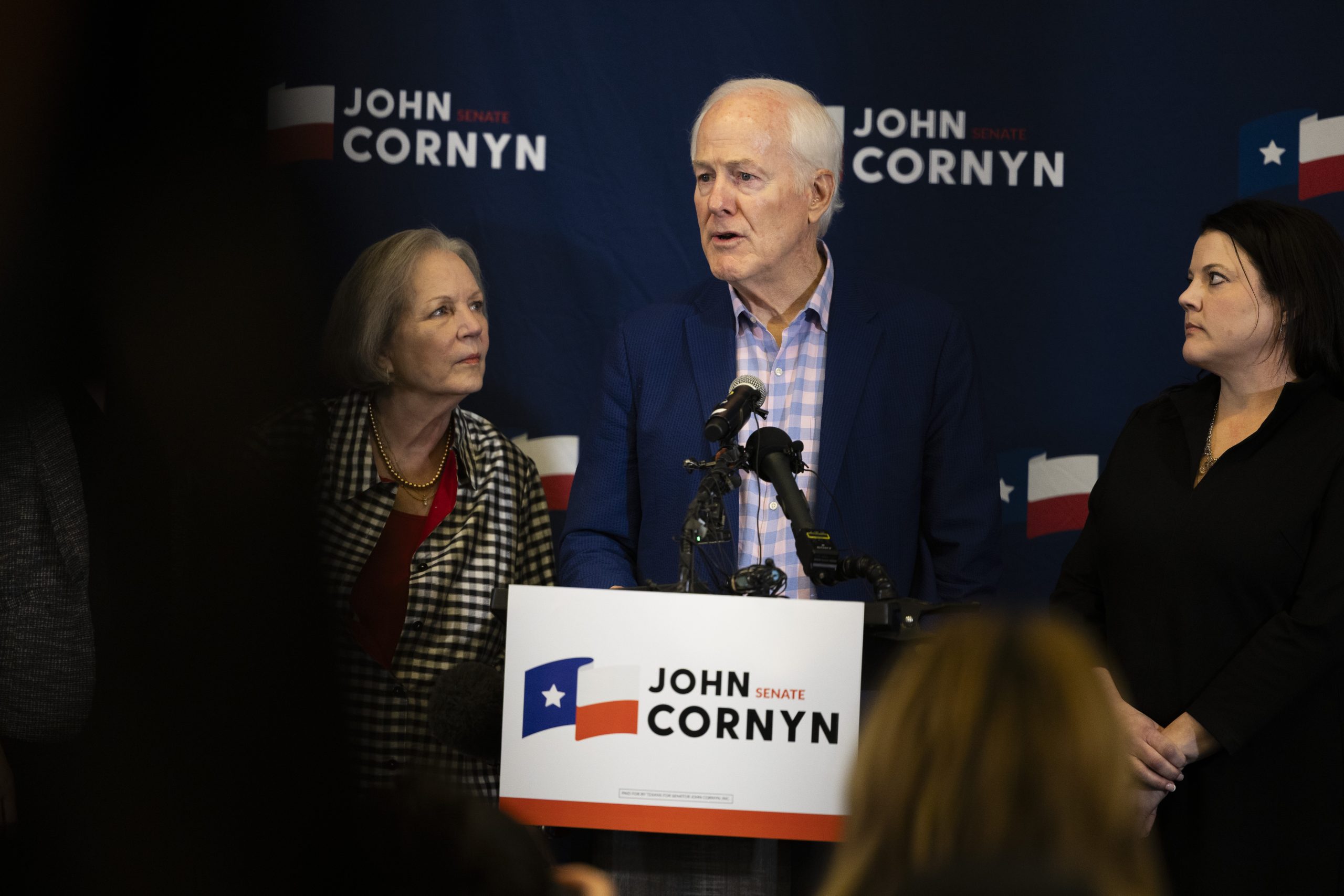
Cornyn won the 2002 election, and then the next one and the next one for more than two decades — until Tuesday.
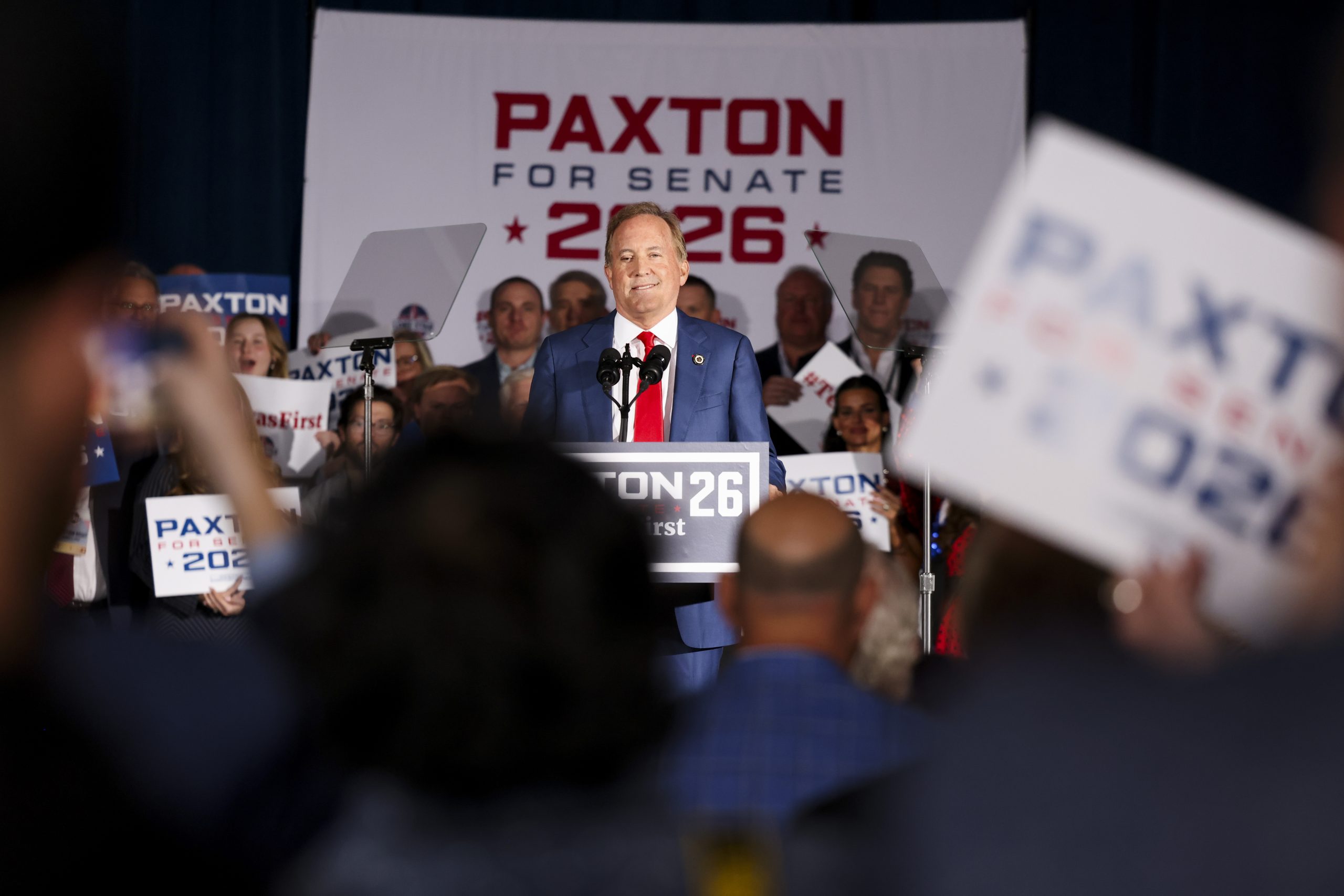
Republican voters kicked out Cornyn in favor of current Texas Attorney General Ken Paxton, ending Cornyn’s long Senate career.
Todd Gillman, journalism professor at Arizona State University’s Cronkite School of Journalism, covered Cornyn as the longtime Washington bureau chief of the Dallas Morning News. He spoke to the Texas Standard about the senator’s legacy and recent electoral loss. Listen to the interview in the player above or read the transcript below.
This transcript has been edited lightly for clarity:
Texas Standard: John Cornyn came up through the Texas courts and the Republican donor network in the Lone Star State, not so much through celebrity politics or cable television. Todd, fair to say Cornyn was sort of the product of a different era of the GOP?
Todd Gillman: Well, stylistically, he certainly was. Karl Rove, who of course was Bush’s political guru and mentor, identified Cornyn as a Senate candidate out of central casting.
Even back in 2002, he was obviously tall and courtly and genteel, as we all used to say, but he already had that kind of senatorial silver helmet of air, and he carried himself with the kind of bearing that people had come to expect of a senator.
But he played hardball, but he did it in a really genteel kind of way, which is why he was so effective and why his colleagues in the Senate, the Republicans, helped him to leadership positions and kept him there for most of his tenure because he just presented so well, and he never really lost that bearing of a judge, which he had been.
Yeah, he’s the second-ranking member of the party’s leadership, and I guess a lot of that power that he’s earned in Washington has come from that reputation that you’re talking about there, Todd: a tactician, a dealmaker, someone willing to work across the lines.
I wonder if perhaps in today’s GOP those strengths might have become considered liabilities within his own party?
Well, certainly he was portrayed that way. I don’t think that he was much for working across party lines. There were a few instances that definitely got him into deep trouble, but he was not a dealmaker the way Kennedy was a dealmaker, or even Mitch McConnell, who was the majority leader.
Cornyn was very, very, very conservative, but he also gave off an aura of being reasonable. I think back at his evolution early in his term as a senator, he was a business Republican when it took on immigration. And he supported all the parts of immigration reform, including active legalization.
But then as the party shifted and that became taboo, he took on an enforcement-first, enforcement-only kind of stance that really deflected away from any possibility of compromise.
He was not one of the people who… He certainly could work with colleagues across the aisle, but when you’re talking about the bipartisan compromise, people point to his work after the terrible shooting in Uvalde when he pushed through and worked with Democrats, pushed through gun legislation that absolutely was not aimed at curtailing access to guns, except for people who were deemed dangerous by a court.
Red flag laws was a big thing for him. And boy, that really played against him in the MAGA base.
But I would not portray him so much as a dealmaker, as much as an amazingly effective voice for conservative Republicans of that older school — as you say, the kind of kinder, gentler style — while also playing complete hardball on things like judicial nominations and really go down the line.