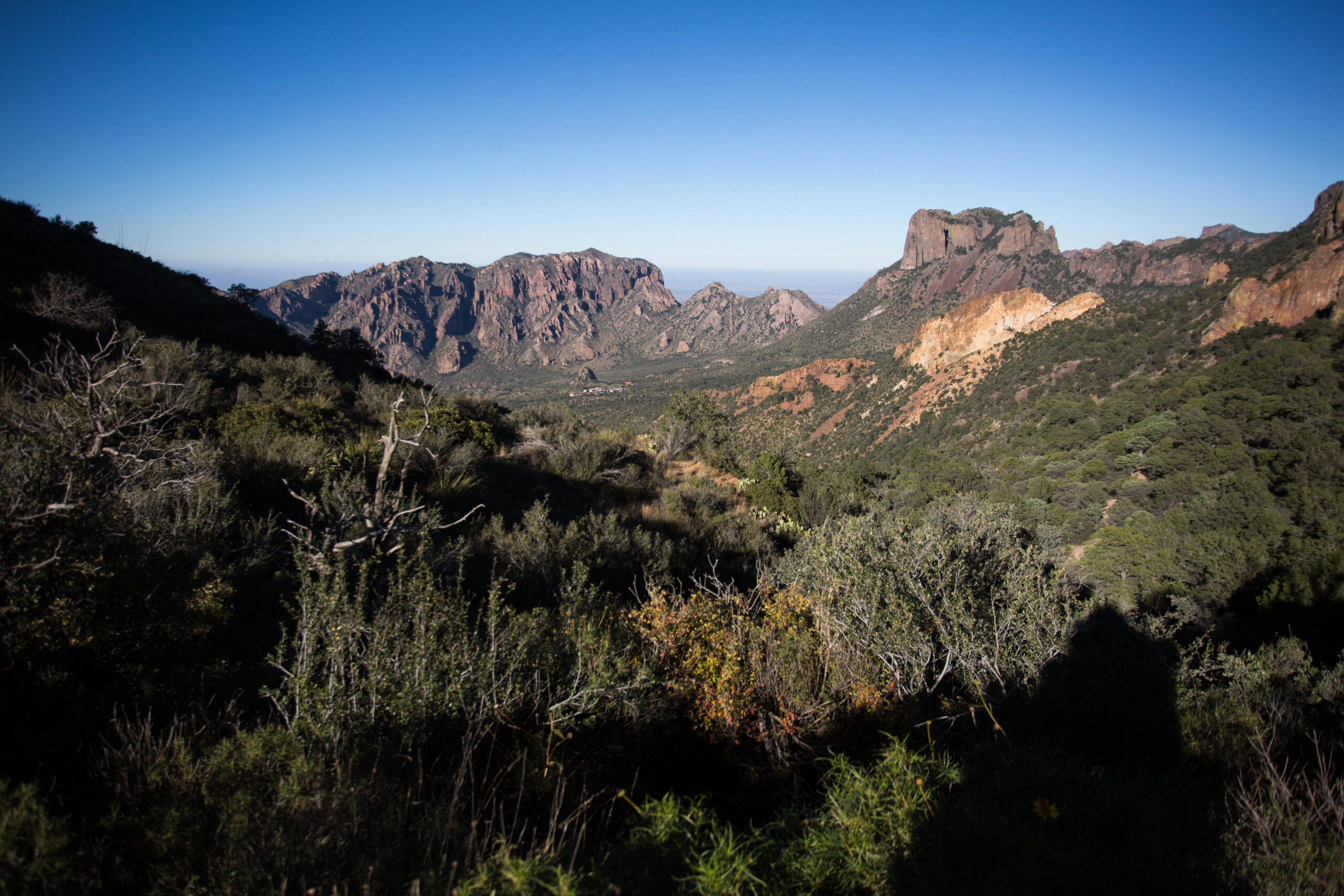
From Big Bend to Caddo Lake, Padre Island to Palo Duro, Texas has no shortage of public lands. Even in a state that’s about 95% privately owned, the options to get outside are rather diverse, offering ecosystems of all sorts for those who are interested.
But the path to conserving that land has not been straightforward or simple.
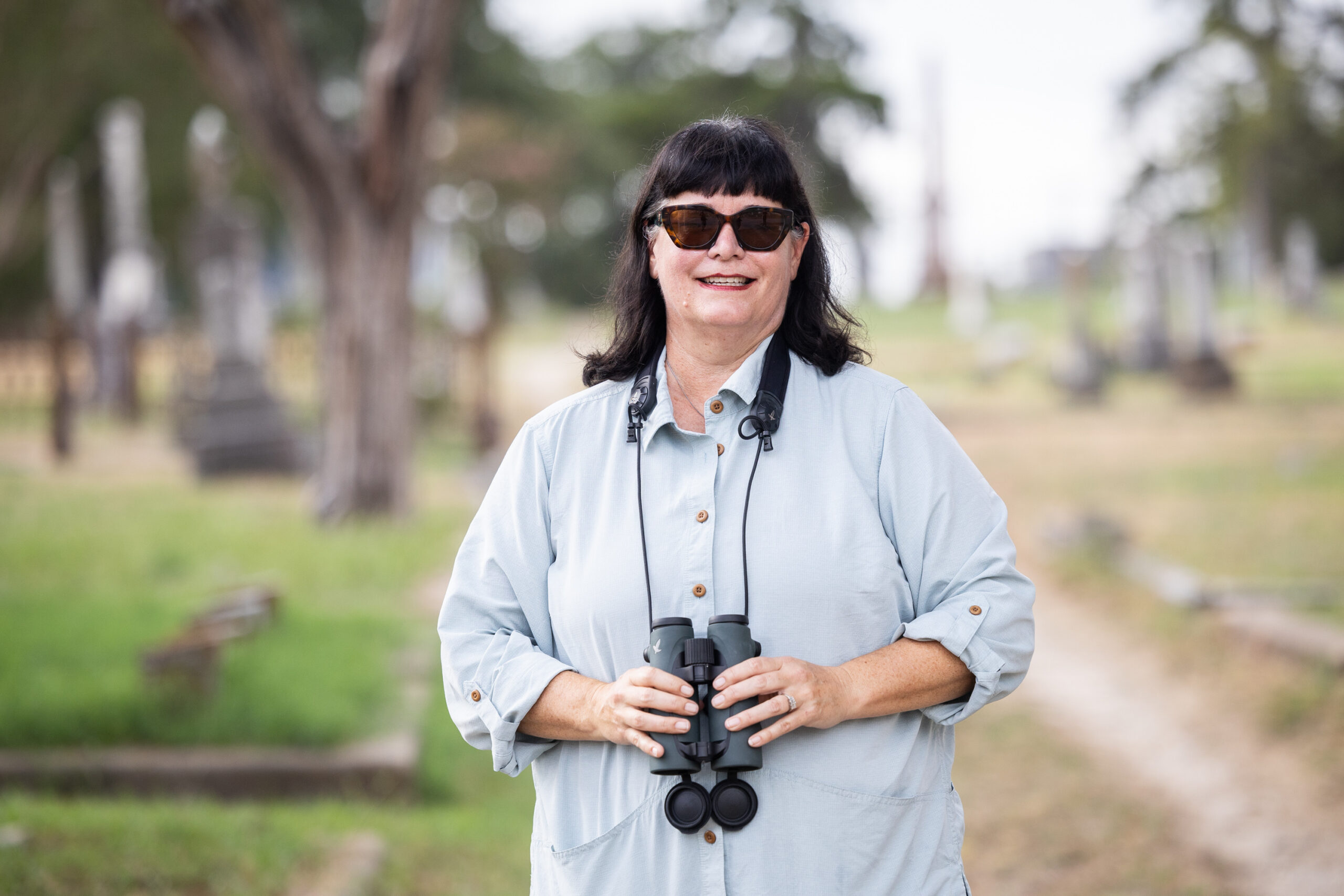
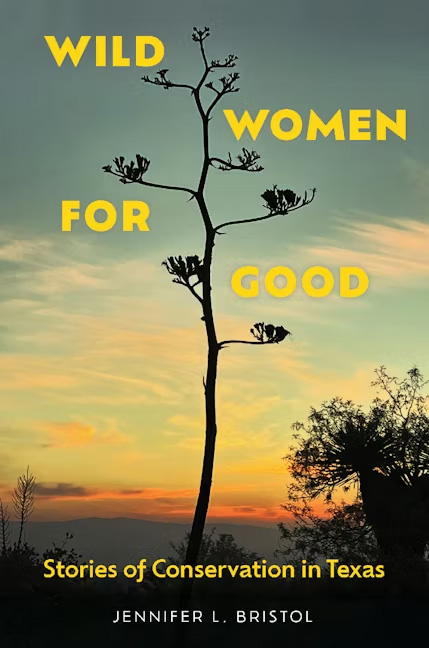
In her new book, “Wild Women for Good: Stories of Conservation in Texas,” author Jennifer Bristol documents a role seldom discussed — specifically the role female Texans played in shaping the state’s conservation and public preservation efforts.
Bristol joined the Standard to discuss more. Listen to the interview in the player above or read the transcript below.
 This transcript has been edited lightly for clarity:
Texas Standard: What inspired you to tell this story through this overlooked lens?
Jennifer Bristol: Well, I have to be honest, the genesis for the story came from my mom who really wanted a book like this, didn’t think I would write it, but she had the idea all the way back in 2009.
And then finally in 2019, we kept kicking the idea around and said, “let’s do this.” We really kind of had put together enough information about some women, some foundational women as well as contemporary women. And we just decided to go for it.
Was she involved in conservation efforts or something?
Very much so. My mother is Valarie Bristol, and she was a former county commissioner here in Austin and Travis County, and helped set aside the Balcones Canyonlands for eight different endangered species, but specifically the Golden-cheeked warbler.
Well, you write about how, when you were working on this book, you would stumble across signs and parks and that sort of thing that would denote the impact of some of the people that you write about — and also how little documentation there was at times for some of these women.
Say a little bit more about those challenges that you found in writing this.
Sure, it was a challenge, definitely to find some on a lot of these women who were really in the background. Thankfully, there’s all kinds of archives around the state of Texas and those archive librarians are amazing at digging in and helping us find different letters and documents.
And then I reached out to some of the family members, too, who were wonderful to share some of those really expressive letters about what they were doing and really the point in time that they were doing it in.
And then some of the bigger women — Lady Bird Johnson, former First Lady Laura Bush — there’s plenty written about them.
» RELATED: New PBS ‘Daytripper’ series takes Texans on tour of the state’s protected landscapes
But I think this might speak to a larger issue about how we’re documenting what’s being done. And I’m wondering, perhaps you can share a story that might’ve been lost were it not for your work. Do you have an example?
Sure, so there was a woman who lived here in Austin, her name was Mamie Powell, and she was the secret weapon for getting the first state parks board solidified, but also the passage of the legislation that was needed to accept those first 23 parks into the system.
Why do you say “secret weapon”?
Because she was the one that showed up. And she would be down at the Capitol meeting with people.
She hosted parties. She brought people together. And she really pushed for it. And she understood the politics and the nuances that needed to happen to get people more favorable towards the idea, because they weren’t at first.
I think that a lot of people feel like, well, they’re passionate about something like conservation or preservation, but they feel like they don’t have the connections, they don’t have the money, they don’t have the background that would empower them to make a difference.
But what this sort of seems to be suggesting is that the willingness to show up, the willingness to be there, to do it where others haven’t, it’s all about just basically taking that initiative.
And that was something that really came across in either the interviews or even the research that we were doing, was it’s all about what’s right for you, what’s scalable for you.
I hope that as people read these stories, they see themselves in them and say, “gosh, she stepped forward and she had kids and aging parents and work and everything else. Why can’t I?” And so hopefully they’ll feel inspired to step up and do something, again, that’s available for them.