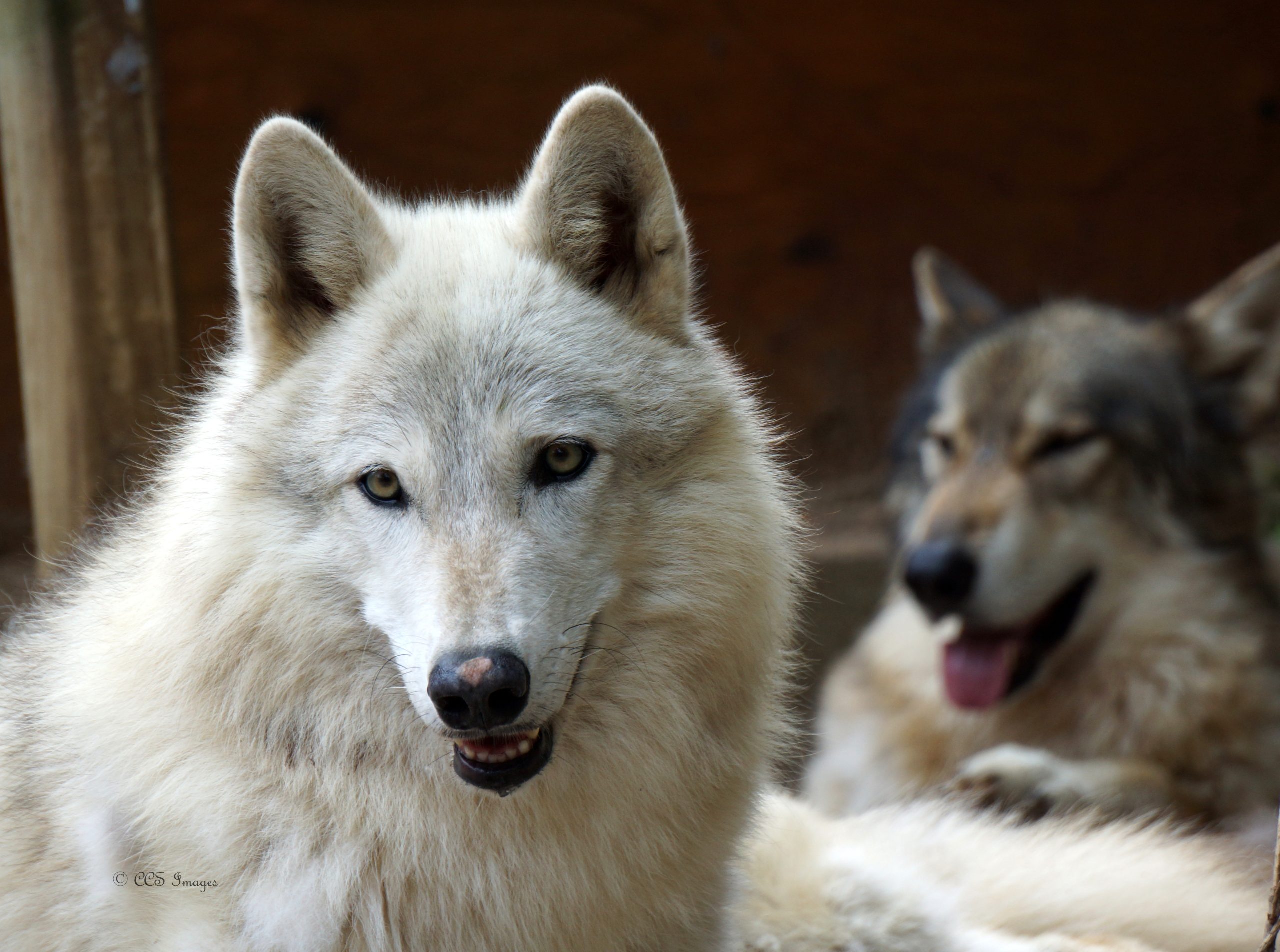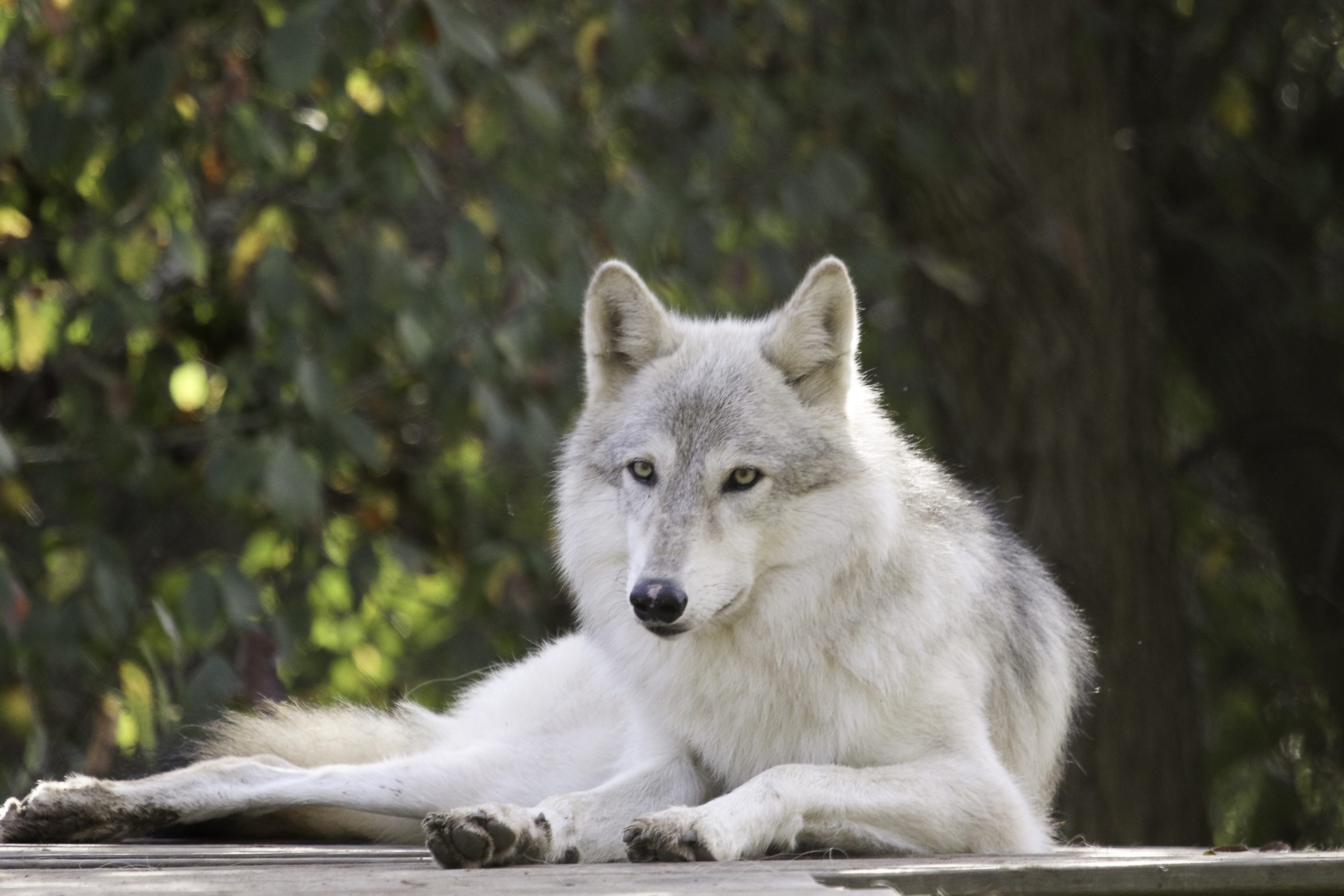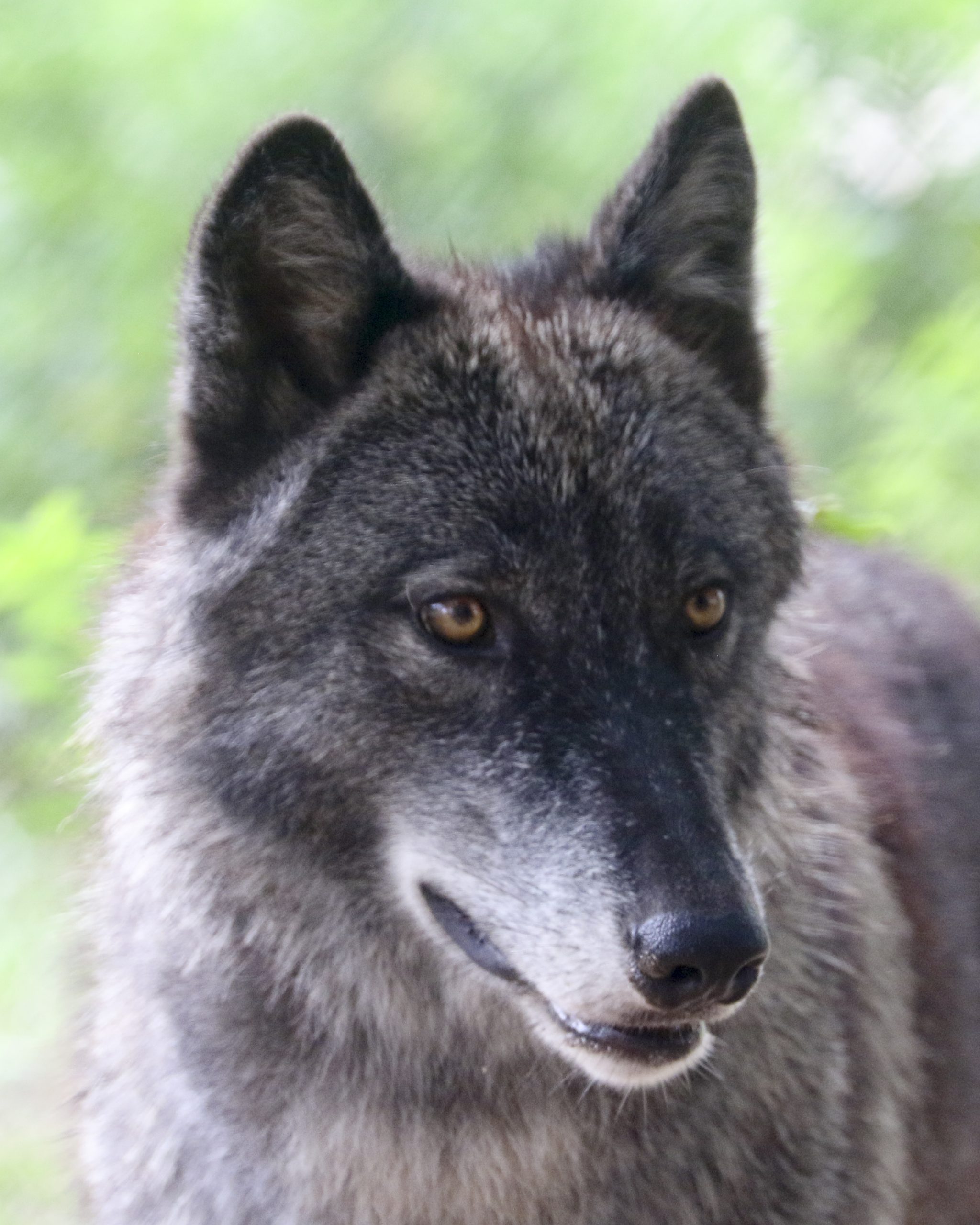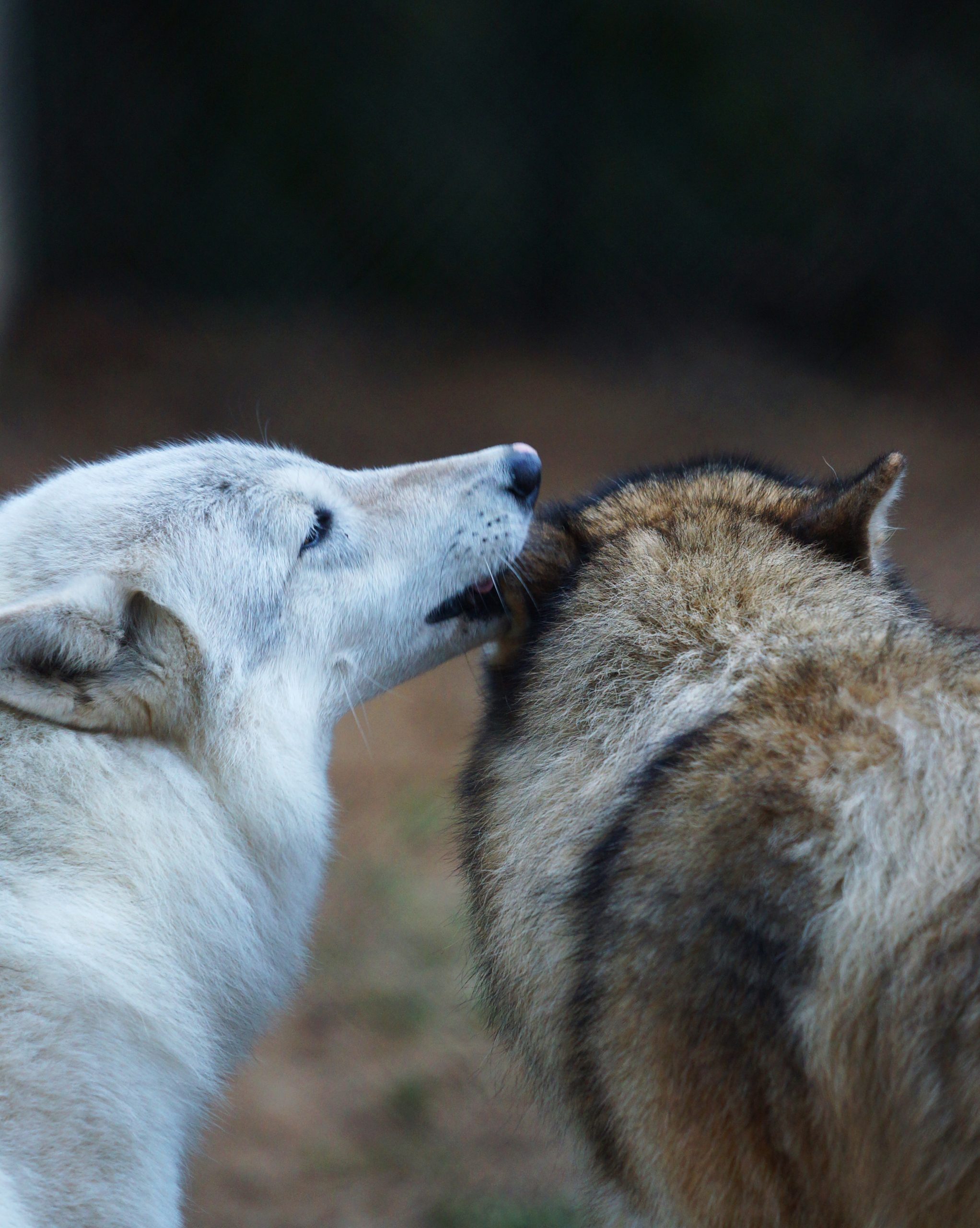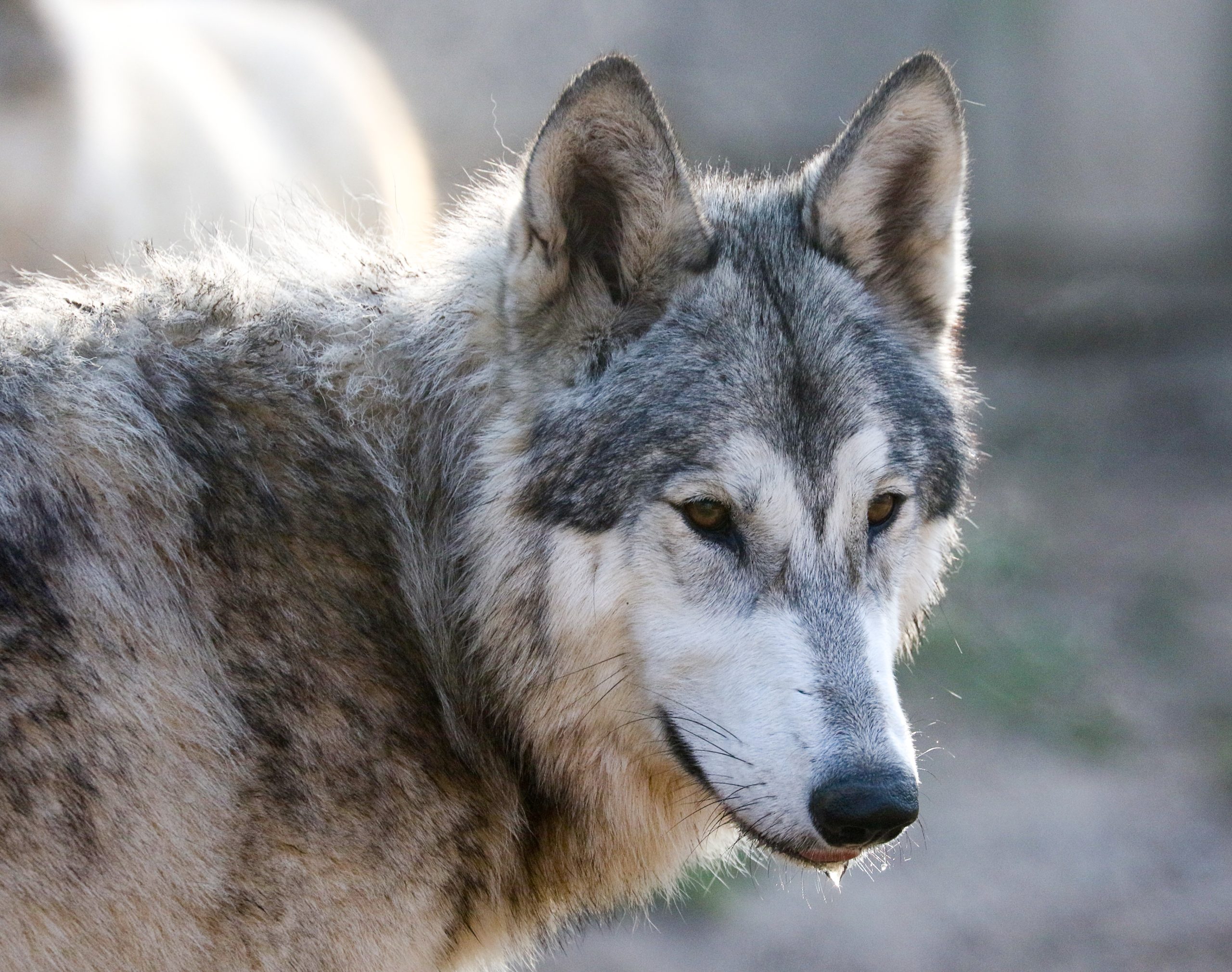
A century and half ago, there were tens of thousands of wolves running throughout Texas.
The last wild wolves were seen in the late 20th century, when a pair were killed in West Texas.
Today, hundreds of wolves and wolfdogs are bred and kept illegally as pets in the state. Owners of these animals often don’t anticipate the resources necessary to care for these animals: an adult wolf can eat up to 20 pounds of meat in a single meal, they require ample territory and areas to den, and importantly they aren’t bred to socialize with humans.
Nicole Rogers, president and executive director of the Saint Francis Wolf Sanctuary, estimates that as many as 90% of these pets are euthanized before they’re three years old. She says the Saint Francis Wolf Sanctuary seeks to help these animals.
Based in the piney woods of Navasota, Saint Francis has offered a sanctuary to wolves and wolfdogs for almost 25 years. They focus on providing life-long care to “non-releasable” animals, Rogers said. Those are the animals born in captivity, who missed out on essential life skills in their puphoods and couldn’t survive in the wild.
Texas used to be home to two wolf species, red and gray. Rogers says that as a keystone species, a healthy wild wolf population is essential for ecological stability.
“What I want people to know about wolves is that they are the only apex keystone predator in the United States that can not only restore and maintain an environmental ecosystem, but also engineer it,” Rogers says.
“Engineering wolves” might plant a funny image in your head, maybe of wolves with PPE. While they don’t exactly recognize OSHA, wolf activity materially impacts the operation of their environment.