From Inside Climate News:
This story was produced in partnership with the Texas Newsroom, the state’s network of public radio stations.
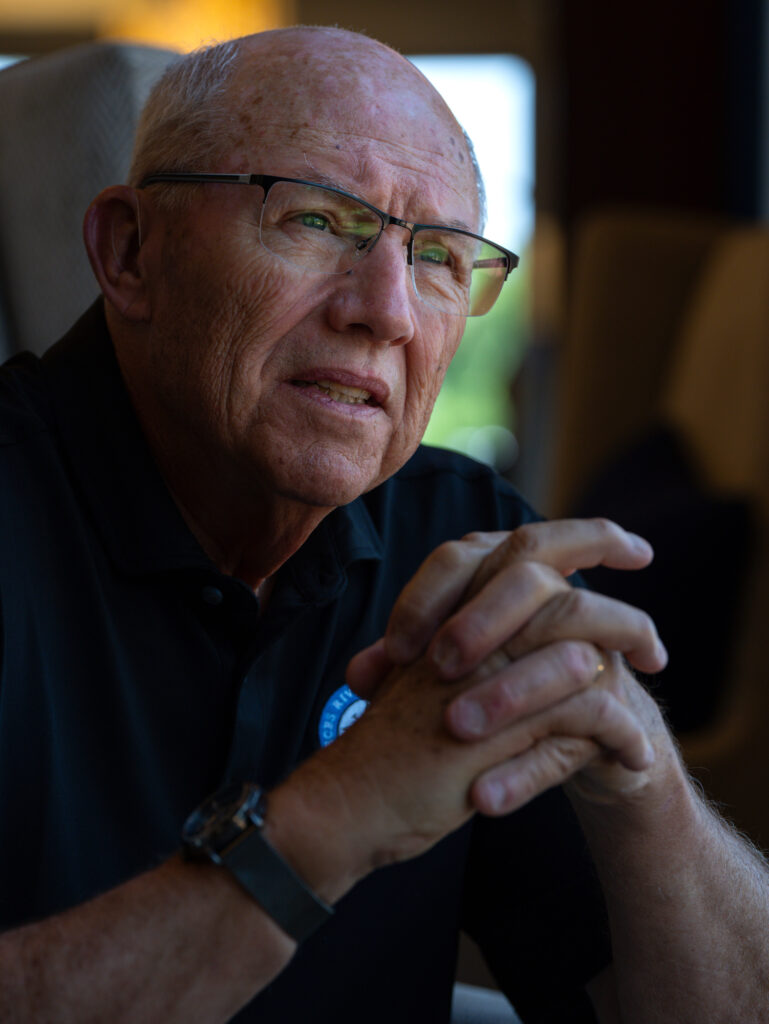
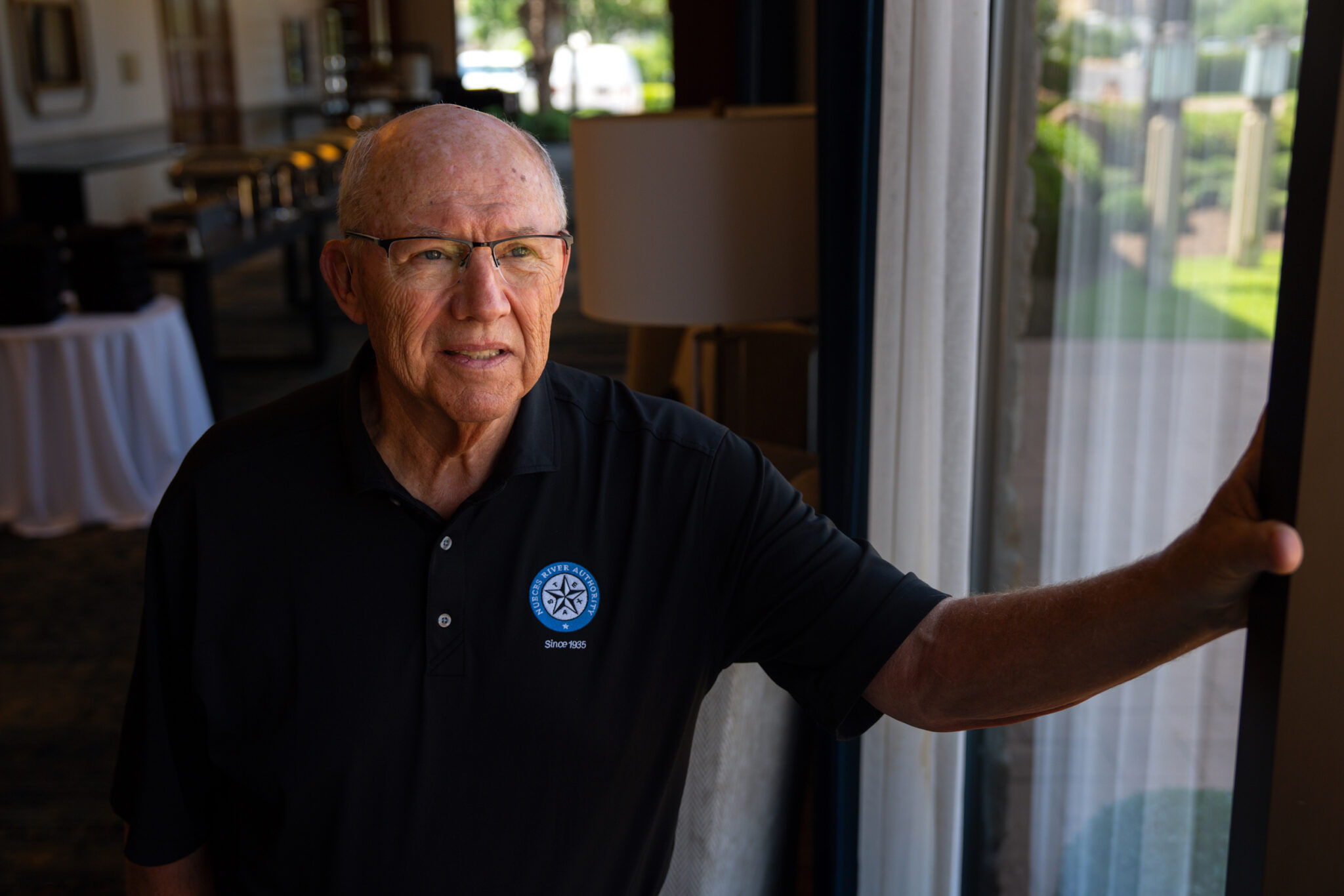
Something moved John Byrum. He believed he could succeed where others had not.
The executive director of the Nueces River Authority (NRA)—a small, rural agency based 200 miles from the coast—decided to take up the banner, in 2024, of a desalination plant on Corpus Christi Bay.
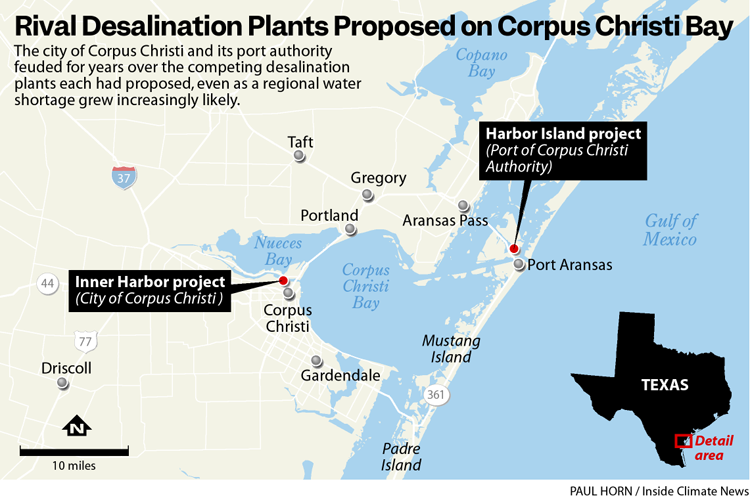
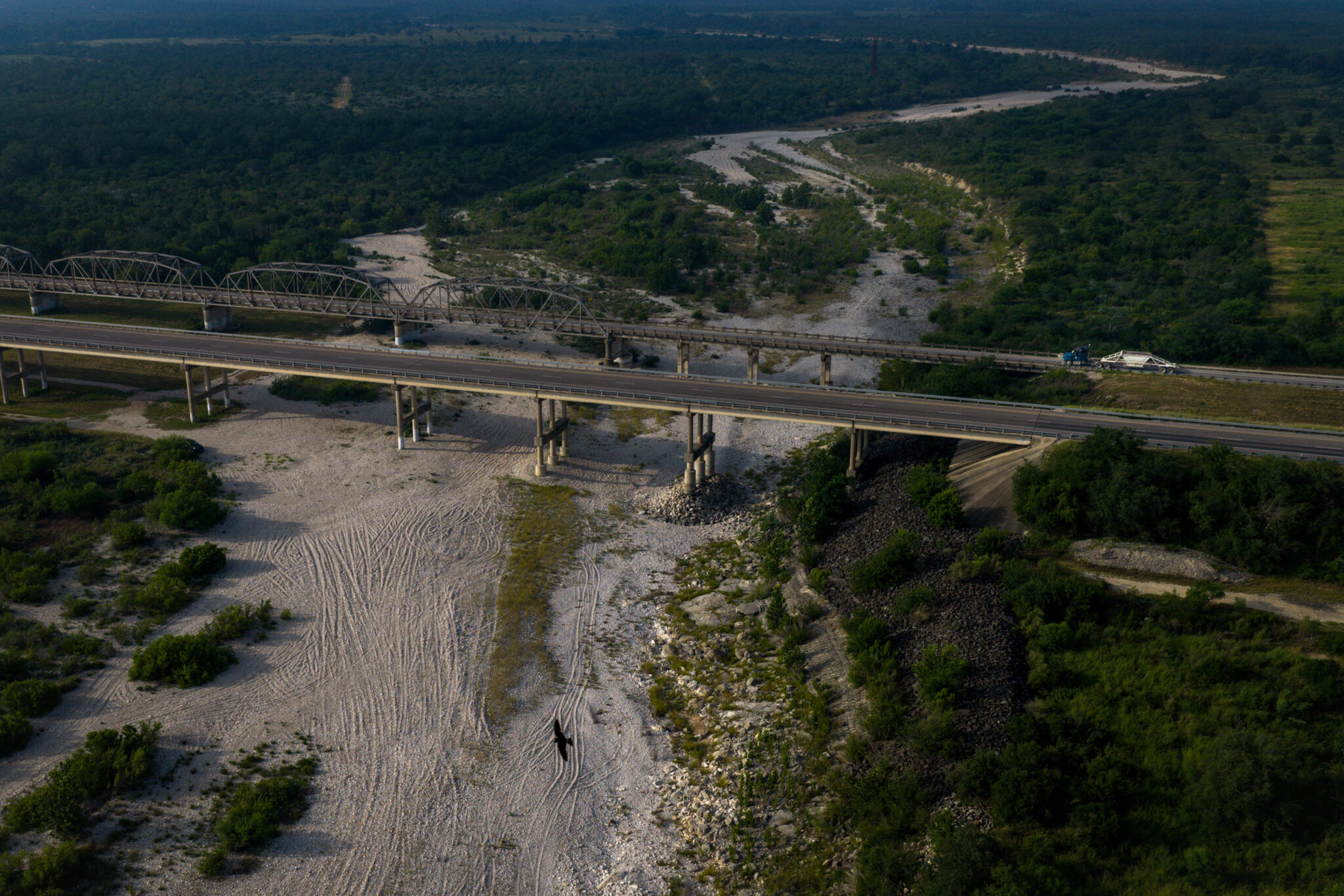
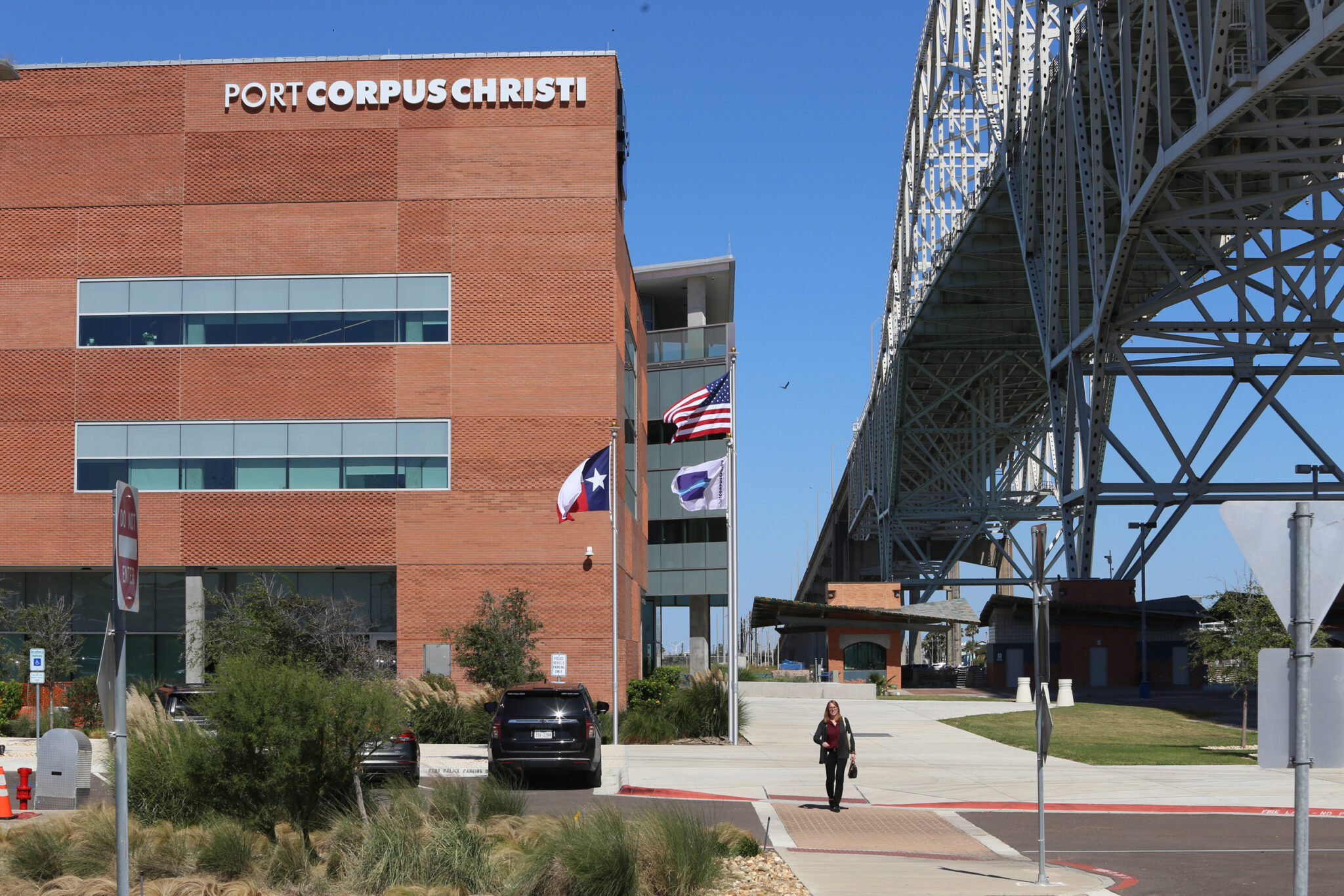
Plans to build seawater desalination plants had floundered for years near Corpus Christi, which provides water to a major complex of chemical plants and refineries, and the likelihood of water shortages was growing.
“Texas needed a sustainable supply of water in that area to protect the industry,” said Byrum, a veteran water manager with silver hair and a charming drawl. “This was the way to do it.”
The Port of Corpus Christi never secured financing for the multi-billion-dollar project, so Byrum would fund it one piece at a time. He took up collection, not from the region’s large industrial water users like ExxonMobil, OxyChemical and Valero, but from small towns and rural utilities in the hinterlands of San Antonio, 150 miles from the coast, that could theoretically be connected by pipeline to the desalination plant, according to records obtained by Inside Climate News.
The agency collected $6.4 million from 18 cities, towns and utilities since March of last year, records show, while it doled out lobbying and engineering contracts for the Harbor Island desalination project near Corpus Christi.
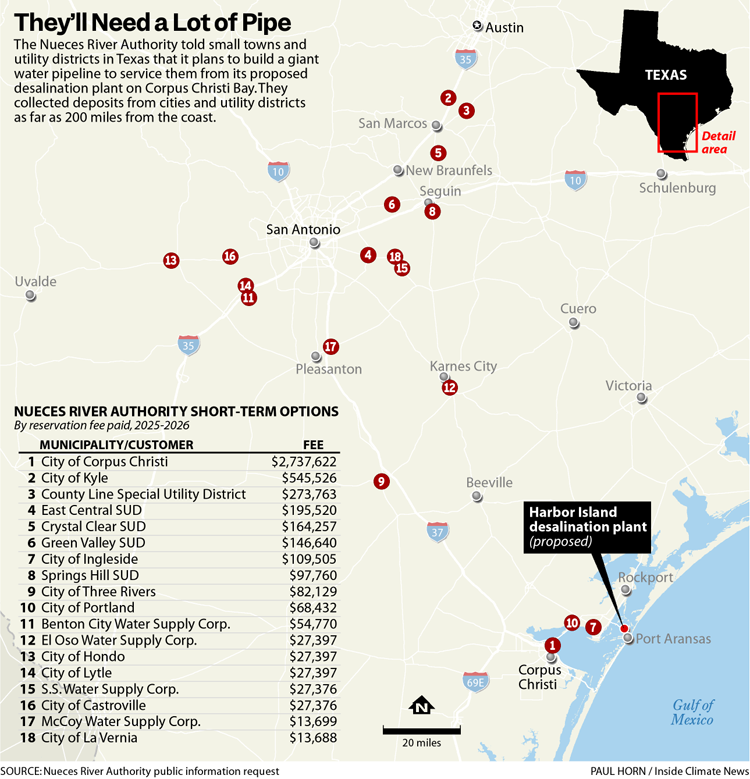
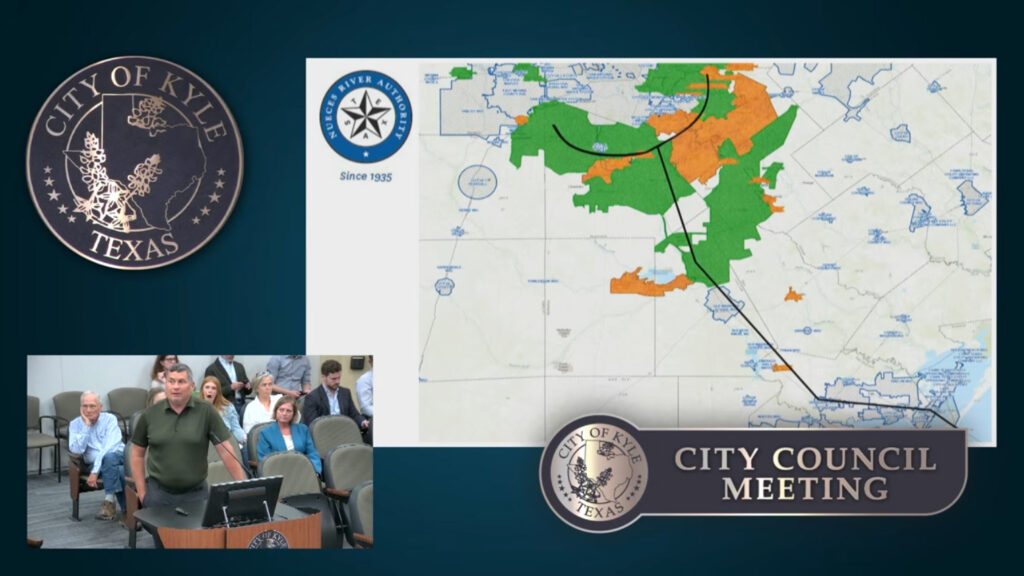
Executives collected money from as far away as the city of Kyle, south of Austin, where NRA’s chief operating officer at the time presented the City Council in October with plans to build the enormous pipeline from the coast by 2032, and an opportunity to reserve some of its water.
“We’re actually 90 percent sold out now,” Travis Pruski, the official, told the City Council. “You would buy the last 10 percent of the water.”
However, records show, Kyle bought the water, but Pruski didn’t stop selling. The agency continued to sell reservations for five months after Kyle paid its $500,000 deposit. In fact, the water was never sold out, records show.
Pruski resigned from the NRA in May, after alleging that Byrum misrepresented financial figures to Corpus Christi’s City Council and the agency’s board members. Byrum denies that and continues his work to build the desalination plant.
Pruski, a career fundraising professional and former mayor of the small town of Poth, declined to comment on the specifics of his time with the NRA or the allegations in his resignation letter.
“I’m not really wanting to talk about that right now,” he said. “I’ve kind of moved on with my life.”
In May, Byrum’s NRA announced a partnership with Israeli desalination giant IDE Technologies, which described the Harbor Island plant as the largest seawater desalination project in the Western Hemisphere.
First outlined in 2017 by the Port of Corpus Christi, plans for Harbor Island stalled amid feuding with the city government and its competing desalination project.
Later, the little NRA faced steep skepticism over its wherewithal to take on such an enormous endeavor.
Now, the partnership with IDE, a global leader in seawater desalination, marks the strongest sign yet that the landmark project could become a reality. It also means future Texans might pay a foreign company for water.
IDE would own and operate the facility, selling water manufactured through high-tech and energy-intensive processes to the NRA through a public-private partnership.
“They need authority to sell water in Texas and we are that authority,” Byrum said in an interview. “We’re going to make sure there is some downward pricing pressure.”
The plant design will come first, he said, then the design of local pipelines to Corpus Christi and the region’s industrial complex. After that they’ll design the 200-mile pipeline to the 15 other small cities and districts that have paid to reserve Harbor Island water.
“It’ll happen,” he said.
Byrum acknowledged he’s faced plenty of doubt about the NRA’s ability to pull this off. Some skepticism comes from the NRA’s seemingly out-of-the-blue decision to take on such a challenge, and some stems from its reputation as an authority that does river cleanups, not $6 billion development projects.
When the Corpus Christi City Council voted to put a $2.7 million deposit on the NRA project last year, Mayor Paulette Guajardo opposed it.
After Pruski’s resignation raised questions about the project, Guajardo said the NRA should refund Corpus Christi’s deposit.
“There were serious concerns,” she wrote on Facebook in April. “I did not see a clear, logical plan, funding mechanism, or sufficient information.”
None of the cities that paid deposits have publicly alleged wrongdoing by the NRA, and an internal review by the NRA last month cleared the executive director of malfeasance.
Corpus Christi city manager Peter Zanoni supported paying the reservation fee in October and described it as a gamble that the city, critically short on water, needed to take. The deposit, he said in an interview, was “seed money to see if they can advance this project.”
“There is risk in that. We know that,” he said. “The money is really being used to help develop potential for a project with an agency that has no money.”
Seawater desalination in Texas
Headquartered in the town of Uvalde, 80 miles west of San Antonio, the NRA doesn’t manage any reservoirs. The agency’s largest assets are a small wastewater treatment plant and land it owns. Its annual budget of a few million dollars has primarily funded outreach and education programs.
In terms of developing infrastructure, the NRA contributed to the construction of the Choke Canyon reservoir, one of two western water supplies the city of Corpus Christi relies on. It also worked alongside the Port of Corpus Christi Authority and the city of Corpus Christi to construct the Mary Rhodes Pipeline, which carries water into the city from Lake Texana 100 miles away.
The agency’s small budget didn’t stop Byrum from sending a proposal to the Port of Corpus Christi Authority in 2024, offering to orchestrate the development of its multi-billion-dollar seawater desalination plant on Harbor Island.