From Public Health Watch:
This story is part of a series by Public Health Watch and MyRGV.com.
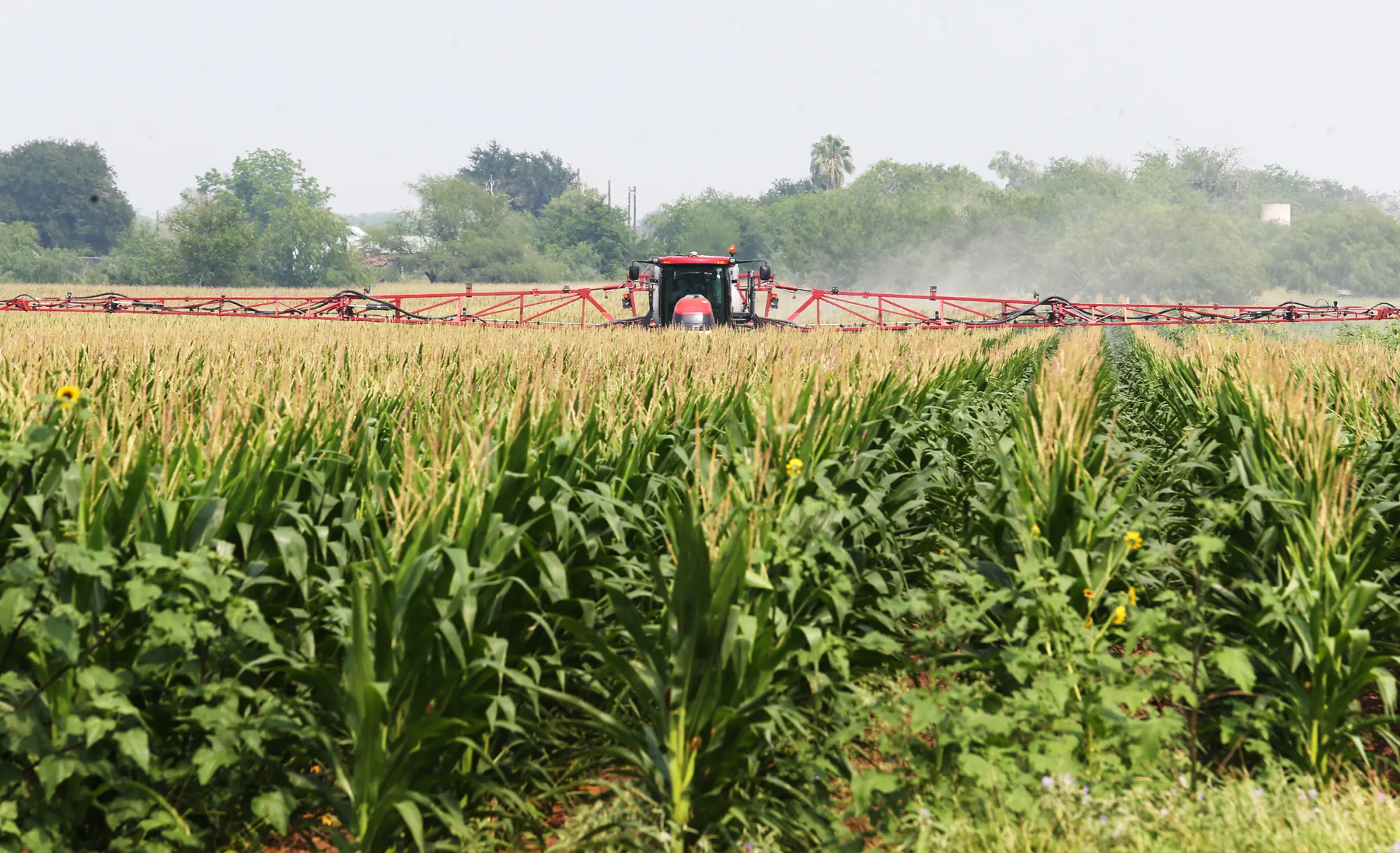
MCALLEN, Texas — When neuroscientist Kelsey Baker hears the low buzz of planes over her home in the Rio Grande Valley, she grabs her dog and hurries indoors. The drone means the crop-dusters are back, spraying pesticides over the citrus, melon and other crops that surround her planned community.
Baker is an assistant professor and assistant dean at the University of Texas Rio Grande Valley. The city of McAllen, where she lives, and neighboring Edinburg, where she works, sit in the middle of one of the state’s most productive agricultural regions, covering more than 4,000 square miles and fed by the Rio Grande.
Baker moved here in 2018, expecting to continue her research into stroke and spinal cord injury. But as she sifted through medical records, she was struck by how many people had Parkinson’s disease, a progressive, neurological condition that has been linked to pesticides and other environmental toxins for at least 30 years. Research shows that more than 80 percent of Parkinson’s cases have no genetic links and are likely explained by environmental factors. Studies have also shown that people exposed to pesticides have a greater risk of the disease.
There is no cure for Parkinson’s. As the disease progresses, its most common symptoms — tremor, slow movement, stiffness and unsteadiness — can be accompanied by depression, difficulty concentrating and bowel and urinary problems. The disease is the world’s fastest growing neurological disorder, with more than 25 million people likely to be affected by 2050.
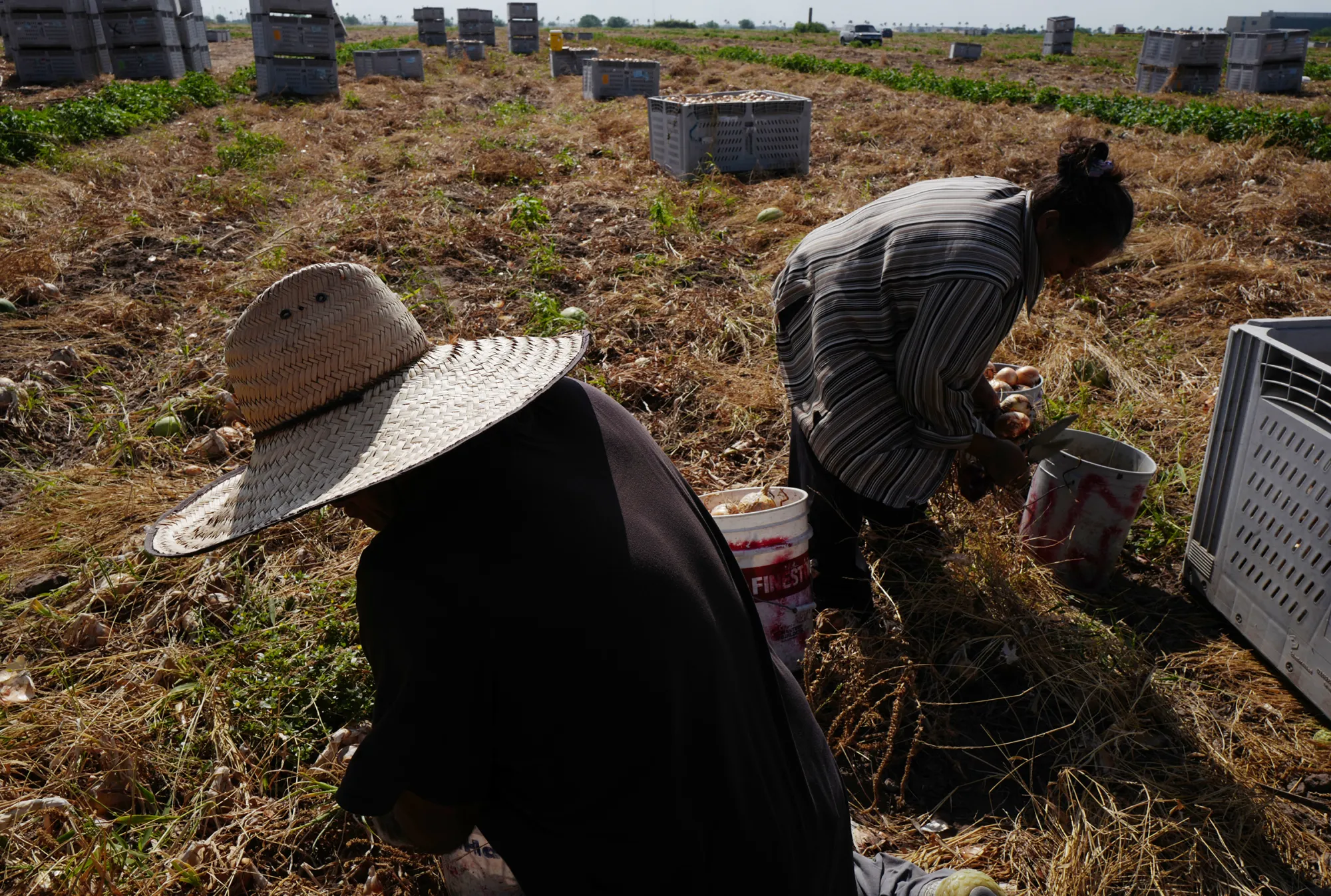
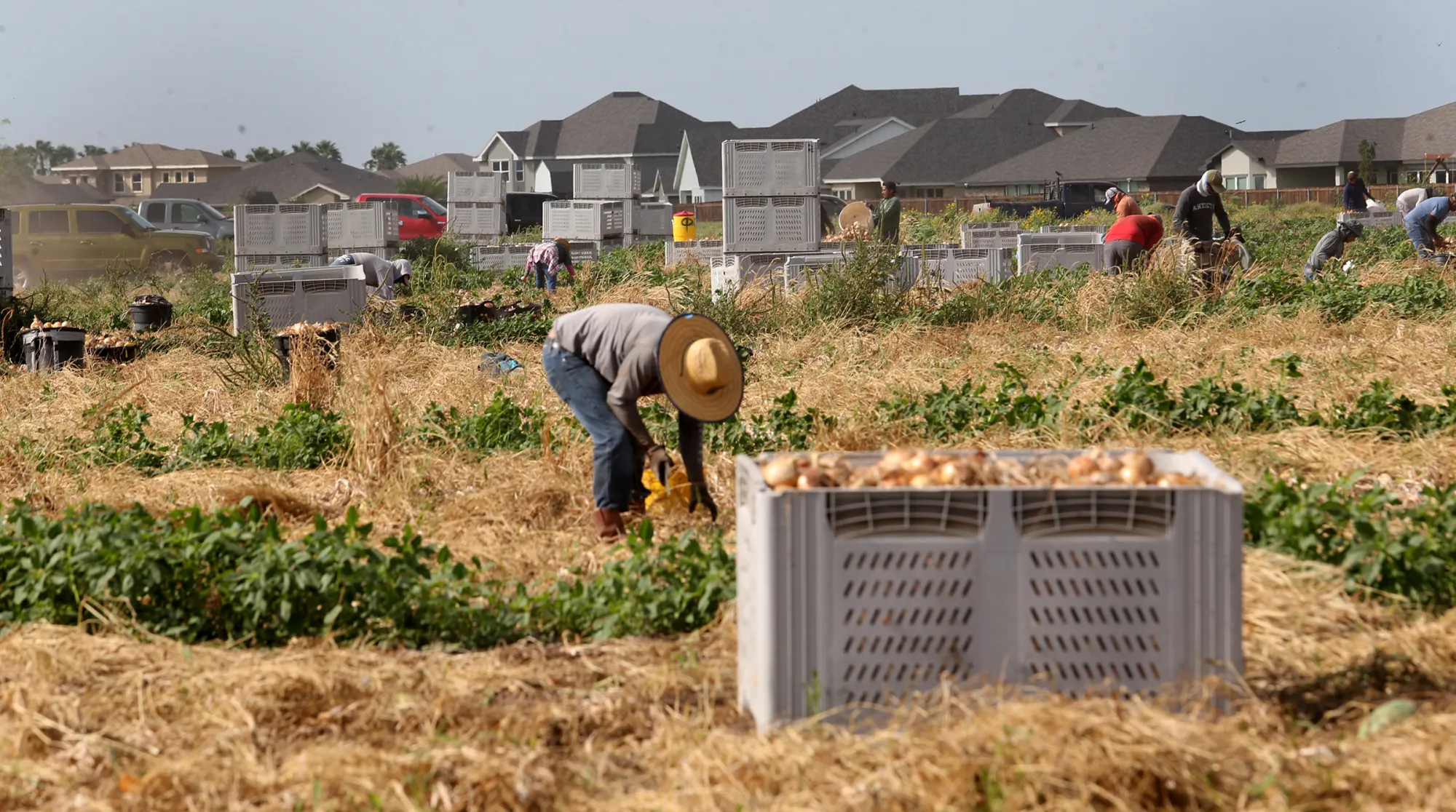
A biomedical engineer by training, Baker started poring over maps of the Valley and found something striking. Homes and schools were often boxed in on all sides by crops, something she hadn’t seen in farming areas in other parts of the country where she had lived. Farmworkers are at special risk for Parkinson’s, because the fields where they work are frequently doused with pesticides. But people like Baker, who simply live near farms, are also in danger.
A recent U.S. Environmental Protection Agency (EPA) analysis of paraquat, a weedkiller with some of the strongest links to Parkinson’s, showed that it might travel so far in the air that anyone within a 20-square mile area of its application could be exposed to unsafe levels. Although paraquat has been banned, phased out or withdrawn in at least 74 countries, its use has increased in the United States, in part because so many weeds are resistant to other herbicides.
“In hindsight, would I have chosen where I live if I knew as much as I know now?” Baker told Public Health Watch. “Probably not.”
Tracking how many of the Valley’s 1.4 million residents have Parkinson’s is almost impossible. Two to 3% of those enrolled in Medicare and Medicaid there have the disease, but those figures don’t include the one in four Valley residents who are under 65 and don’t have any health insurance at all. It also excludes the area’s many undocumented workers, who aren’t eligible for state or federal health benefits.