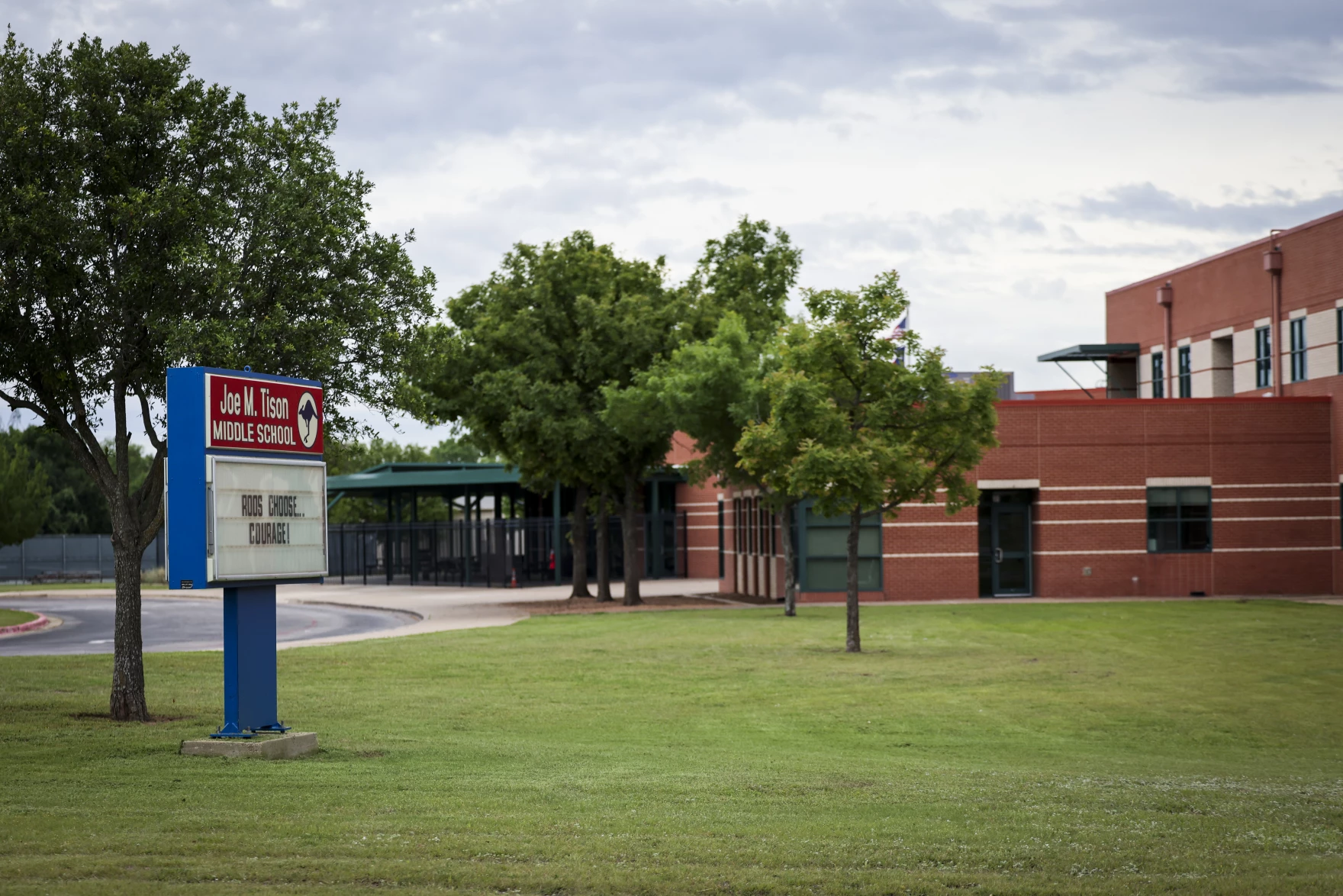
From KERA News:
Shannon Harriman is careful when he talks about his son, Kelton Lightfoot.
Harriman describes his son as a funny 17-year-old who wants to get a job, learn how to drive and spend time with the family’s gentle black labrador retriever, Hudson. For all of his affection and devotion to Kelton, there’s also exhaustion, frustration and concern.
“A lot of times, it is good,” Harriman said. “[He] can be funny and great to be around. It’s just when it’s bad, it’s sometimes really bad.”
Kelton’s intellectual and behavioral development has been significantly affected by a traumatic brain injury he sustained when he was two weeks old. Harriman said Kelton’s disabilities manifest mostly in his behaviors — which can often be violent.

Harriman said Kelton misses the family’s dog, Hudson, the most. Hudson follows Harriman around the family’s home in Azle. Hundreds of miles away, Kelton stays in a short-term care facility in Utah. Harriman isn’t sure what he’ll do once Kelton needs to be moved again. Yfat Yossifor / KERA News
“He can go from being happy to spitting on you, to hitting, throwing things, threatening you with knives, a lot of verbal escalation as well,” he said.
For several years, Harriman has split his time and energy between his job in IT and trying to ensure his son has the resources he needs.
That’s how Kelton became the center of a legal battle that could have far-reaching implications for accessible education across Texas.
Earlier this year, Weatherford ISD — about 30 miles west of Fort Worth — was given 10 days to comply with an order to provide specific resources for Kelton. Months later, the family is still waiting — and advocates warn Kelton might not be the only kid affected.
Kelton’s tumultuous time at Weatherford ISD
As a child, Kelton went between school districts, full-time therapy providers and short-term treatment programs. During a three-month stay at a residential treatment center in Liberty Hill, an evaluator noted Kelton appeared “emotionally distraught with little or no provocation, confronting him will likely result in an escalation of these emotions and accompanying behaviors,” according to Texas Education Agency, or TEA, documents. The evaluator advised Harriman to enroll his son in a public school.
Kelton started attending one of Weatherford ISD’s middle schools in 2021; even before then his father had started working with school staff to develop an individualized education program, or IEP. The purpose of an IEP is to establish what accommodations and modifications are necessary to ensure each student has access to a free and appropriate public education.
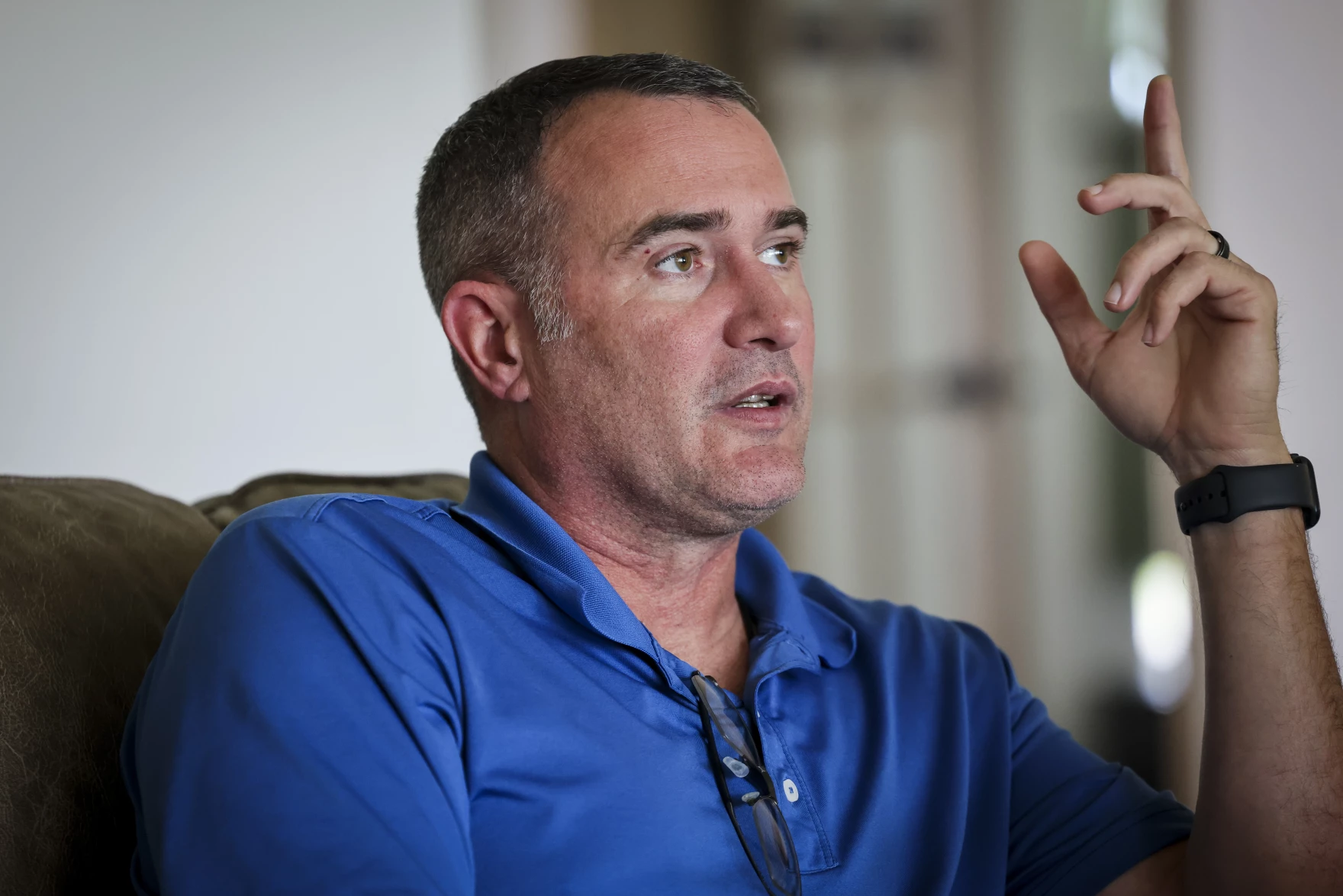
Shannon Harriman started working with Weatherford ISD to develop an special education plan for Kelton before his son was enrolled. He said he wanted to make sure staff understood the extent of Kelton’s behavior to ensure everyone’s safety and to prevent Kelton from being arrested. Yfat Yossifor / KERA News
“I told them my one concern is he can’t be somewhere where he gets arrested,” Harriman said. “I said, ‘Here’s all the things he can do,’ as I’ve described to everybody in the world because I never want to have anybody act surprised.”
Harriman said school officials reassured him that arrests were considered only as a last resort. If Kelton’s behavior escalated to that point and the school could no longer handle him, staff would recommend him for residential placement, according to Harriman.
When a student’s needs are greater than what a school district can accommodate, it may be responsible for paying for placement in a TEA-approved center or program where students receive an appropriate education.
Because of Kelton’s level of need, Harriman said the options for his son are incredibly limited. Harriman said he was only able to find one TEA-approved program that Kelton qualified for — a residential treatment center in Missouri called Calo Programs.
While at Weatherford ISD, Kelton had dozens of instances of physical aggression, leaving school and causing property damage. He was also arrested three times — once following an incident that left two teachers injured.
Harriman said he repeatedly advocated for residential placement for Kelton but was met with resistance. The district “simply added another goal” to Kelton’s IEP, according to TEA records.
“This is where I’ve kind of failed in putting too much trust in them,” Harriman said. “They’re supposed to be the experts on what these plans are supposed to look like…But in hindsight, it seemed they put in place what was minimal for them – what they believed was minimal for them to legally do.”
After Kelton’s third arrest in May 2024, Harriman pulled his son out of school for the rest of the year after speaking with an attorney. They decided this was the best way to avoid additional criminal arrests or charges.
Weatherford ISD scheduled a meeting to review Kelton’s IEP in August, according to court records filed by the district. Before the semester began, Harriman decided to withdraw Kelton from Weatherford ISD out of desperation.
“By the end of the child’s time there, things were just so out of control,” said Mark Whitburn, the family’s lawyer. “There’s nothing the school district could do that was going to be able to help him then. He, at the very least, he had to have a private placement then and probably well before then.”