This story is part of “Tough Times,” a Harvest Public Media series looking at the economic stress that many American farmers are facing in 2026.
Ben and Paula Sue Steffen have been farming their whole lives in the small town of Humboldt in southeastern Nebraska. Over 40 years of marriage, they’ve seen good and bad times in the agriculture industry.
“It’s always a balancing act,” Ben Steffen said. “There have been years where you could make money falling off a tree in this business. There have been some of those years – just get up and plant it – and you walk home and make money.”
“It hasn’t been like that the last few years,” Paula Sue Steffen added. “I don’t even remember in recent years when that would have been.”
This year is no exception. High diesel prices have added thousands of dollars to the yearly cost of running farm equipment. The Steffens had to cough up an extra $50,000 for fertilizer to treat their fields of corn, soybeans, wheat and hay.
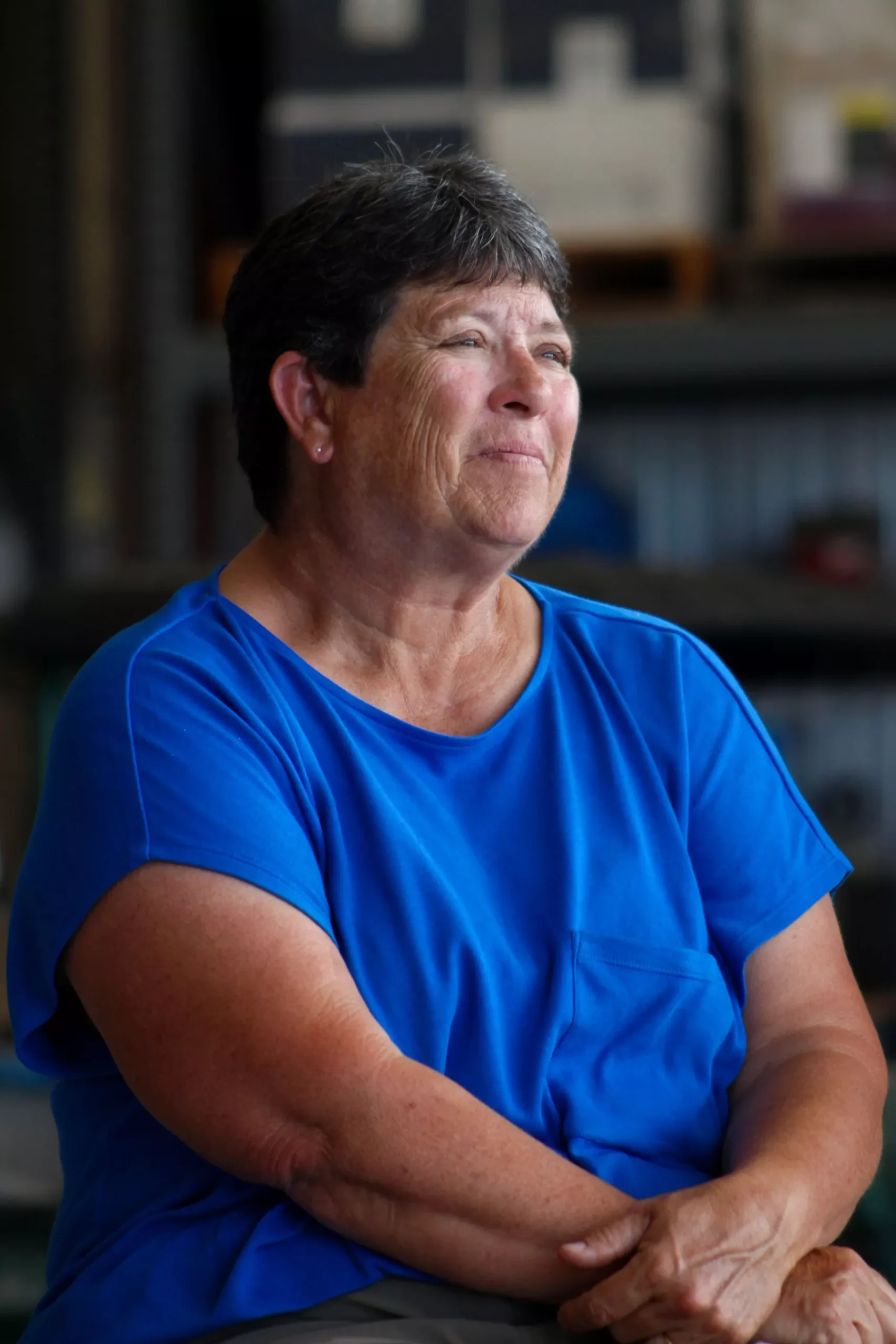
Paula Sue Steffen, 64, sits at her farm in Humboldt, Nebraska, where she and her husband Ben Steffen grow corn, soybeans and other crops. Marissa Lindemann / Harvest Public Media
“This is the most expensive crop we’ve ever put in the ground,” Ben Steffen said. “It’s kind of breathtaking when you do this year after year, and you keep seeing those numbers go up.”
Those extra costs have already put a strain on the farm’s checkbook. But this year, a completely unexpected cost was added to the ledger: health insurance.
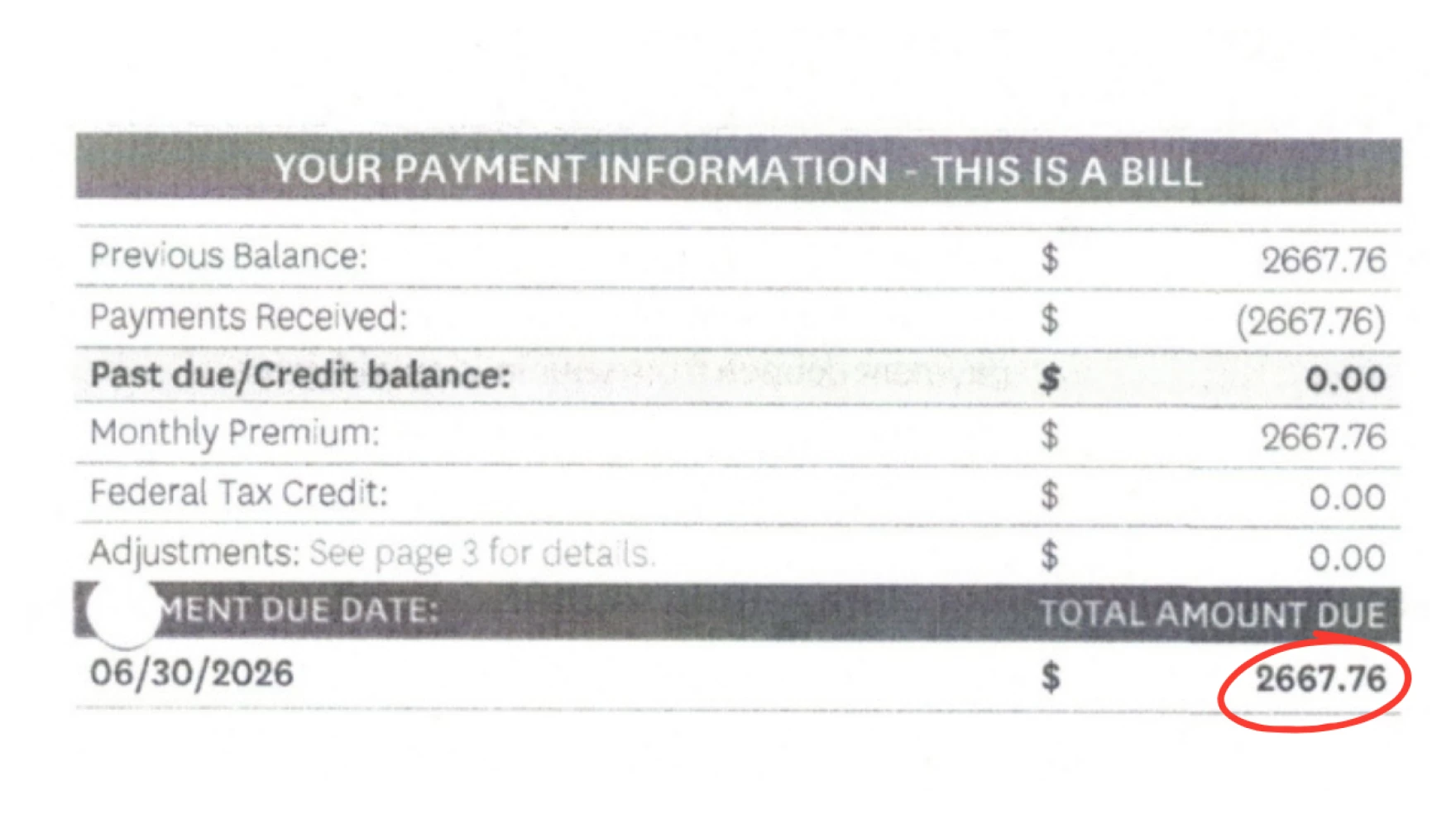
This year, the Steffens expect to pay $32,000 for health insurance – more than double the about $13,000 they paid in 2025 after the premium tax credit. Steffen said they could get a different income-based tax credit, but at this point they’re unsure how much of their costs it will offset.
Paula Sue Steffen said they’ll have to make space for the extra cost, especially in a potentially dangerous business like farming.
“We don’t care about the fact that we may have to go to the doctor a few times a year or need a checkup,” she said. “We just need to be covered, because if something does happen, the numbers are just crazy. You have to be covered or you’re going to be in trouble.”
The Steffens use an Affordable Care Act plan bought from the federally regulated marketplace. They’re part of millions of self-employed Americans and part-time workers who are paying more for the insurance after Congress allowed tax credits that partially covered premiums to expire.
Premiums jumped 58% on average for all enrollees this year, according to the health policy organization KFF. However, premiums doubled or tripled for many middle-income Americans who relied on the expired “advanced premium tax credits.”