From KTTZ:
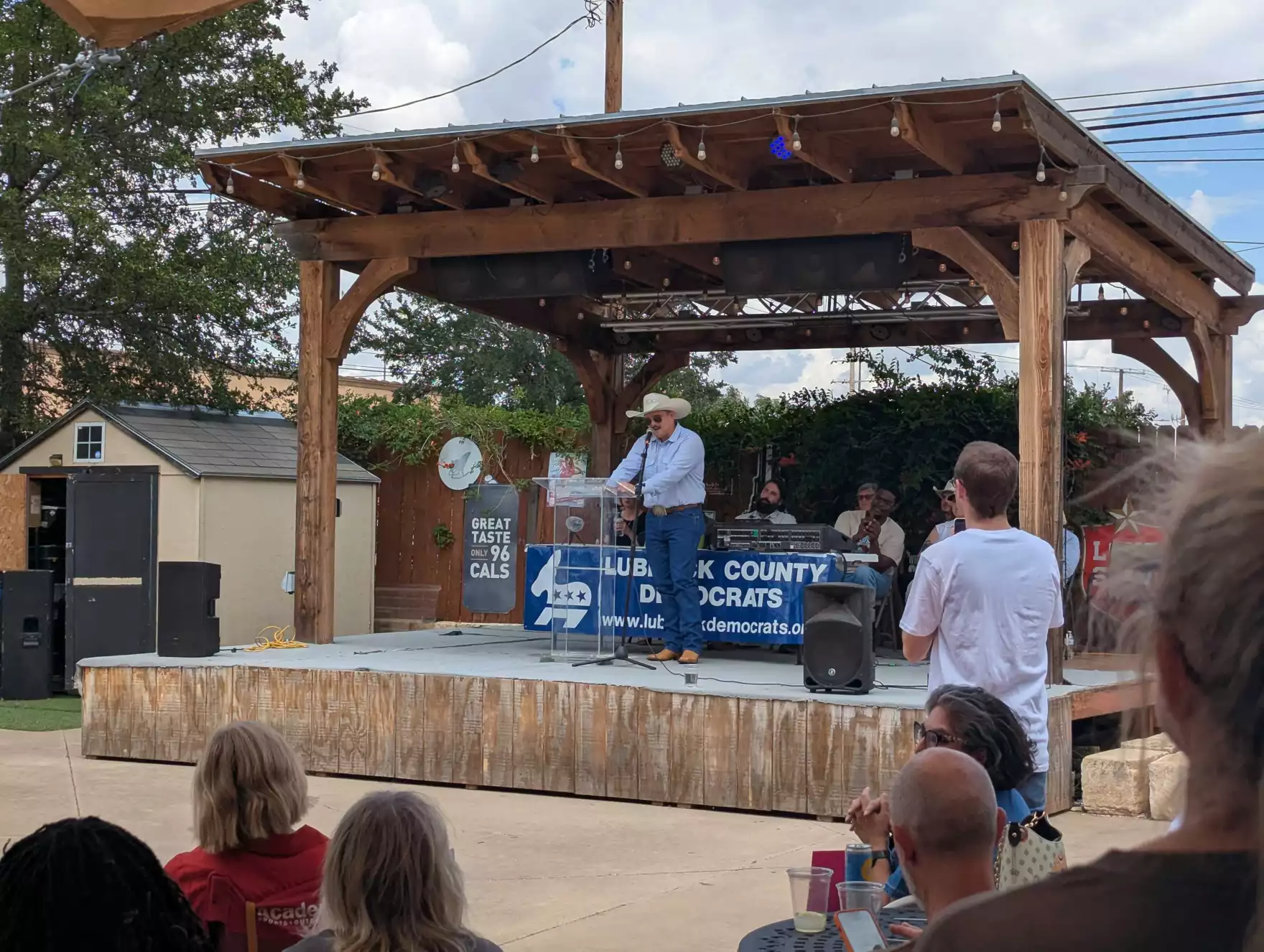
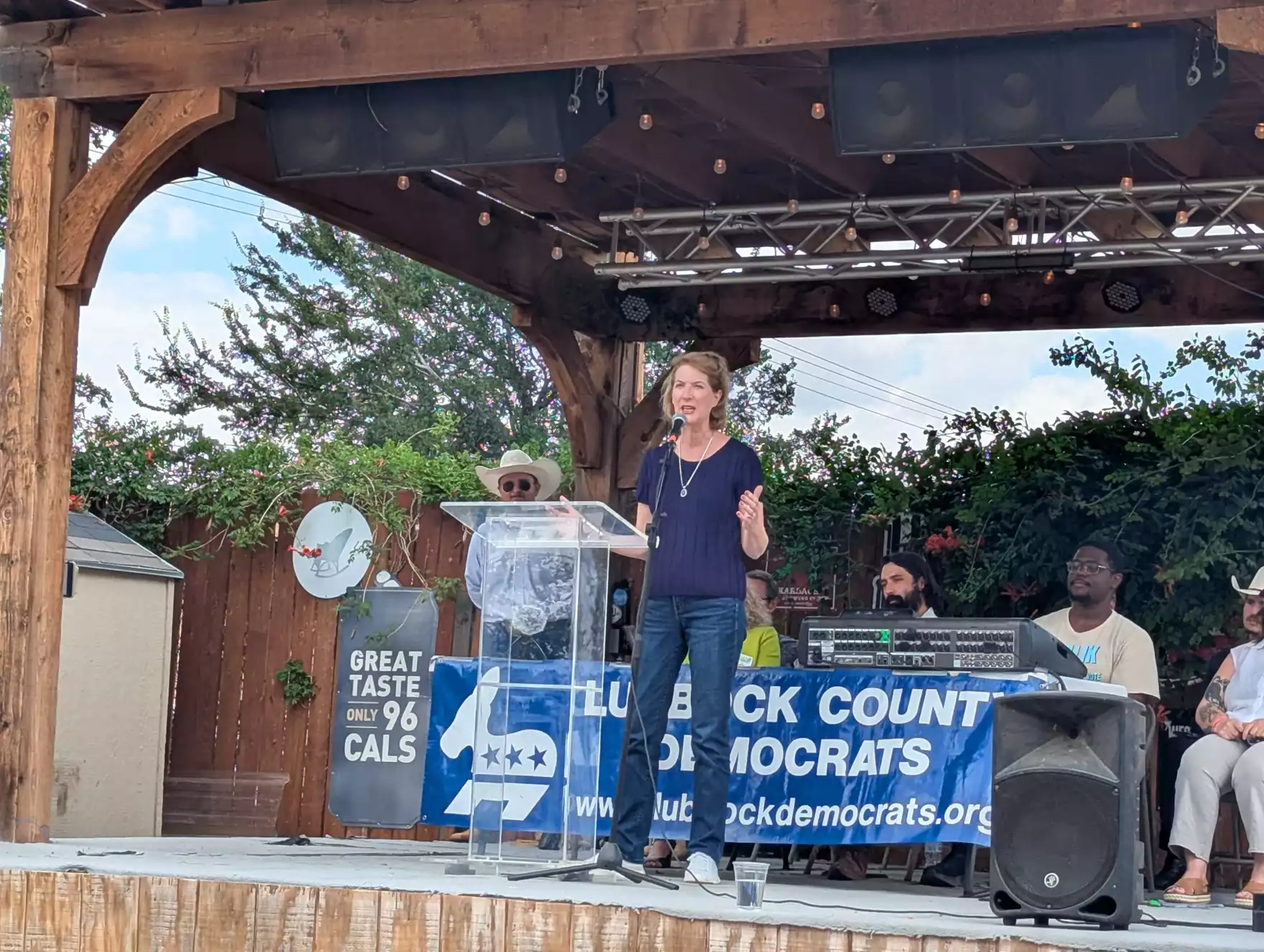
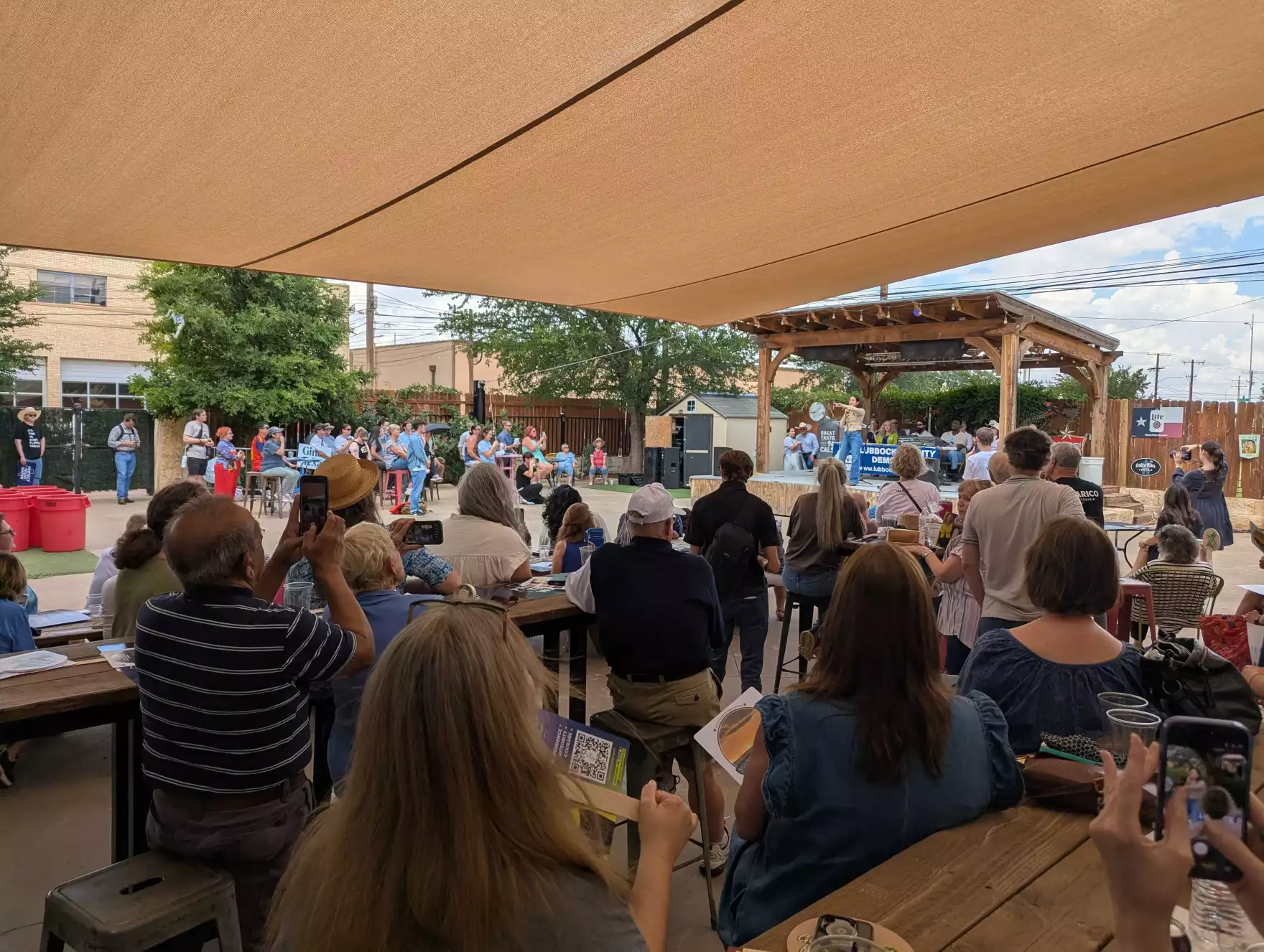
Texas Democratic candidates rallied in Lubbock on Saturday to present their campaign platforms to West Texas voters, where concerns over the influx of large-scale data centers and their impacts have been top of mind for citizens across party lines.
Riley Rodriguez, the Democratic candidate running for the Texas Senate seat in District 28, said the issue is what got him started on this campaign. Facilities like Stargate, a $500 billion project to facilitate data for future AI data models, brought 6,000 temporary construction workers and sent rents skyrocketing in Rodriguez’s hometown of Abilene.
“I picked this seat because data centers started coming into our communities and wrecking them. Flat out. When Stargate came into Abilene on day one, we had rent hikes,” Rodriguez said. “That ain’t nothing but greed. That’s not West Texas, and that’s not rural Texas, and that’s not the Texas that I grew up in. And when I reached out to our representatives, the answer was ‘that’s progress.’”
Earlier in July, Rodriguez was one of more than 500 people from Lubbock and surrounding areas who attended a forum hosted by the City of Lubbock to gather public input on large-scale data centers. After the City’s meeting, Lubbock’s Texas House District 84 GOP representative Carl Tepper told KCBD in Lubbock that he believes Lubbock is an “economic development town,” and he welcomes the job creation and development from the data industry as an opportunity to bring funding for “our schools, our parks, our hospitals.”
In a recent op-ed with the Lubbock Avalanche-Journal, Rodriguez’s opponent, incumbent Republican Senator Charles Perry said there are benefits to be had for rural communities with the infrastructure improvements that developers can bring.
“None of this means we should stop asking hard questions,” Perry wrote.
As chairman of the Texas Senate Committee on Water, Agriculture and Rural Affairs, Perry brought his own attention to West Texas water resources in the state legislature in 2025, with “generational” investments to the Texas Water Fund. Perry also believes these data center projects could present an opportunity for shrinking rural communities to build new revenue and draw jobs back, but he argued that Texans deserve transparency from developers in the process.
“It is fair to say that without addressing the real issues regarding water, electric and applicable infrastructure capacities, AI data center industry will find itself on the wrong end of the politics,” Perry wrote.
Other West Texas communities in Rodriguez’s district, like the Panhandle community of Childress, have seen issues similar to Abilene.
Citizens in Childress, a town of about 5,700 people, came out to protest in mid-July when rents shot up at a local apartment complex, forcing longtime citizens to vacate. Community advocates linked the situation to data center development like the IREN facility, where operators said construction brought around 2,500 workers to the town.
“When single mothers are getting displaced and put into hotel rooms, the day that their rent goes up, and they’re just trying to get by-that’s not progress, and it ain’t worth it,” Rodriguez said. “When industries come into our towns unregulated, unmitigated, ask for our resources, take our housing, and put our people on the street, it is time for West Texas to rise up.”