Officials have identified several new cases of screwworm since the first case in Texas for decades, detected in a calf in Zavala County. These new cases include a calf in La Salle County and a dog in Andrews County.
On Friday, Gov. Greg Abbott issued a disaster proclamation.
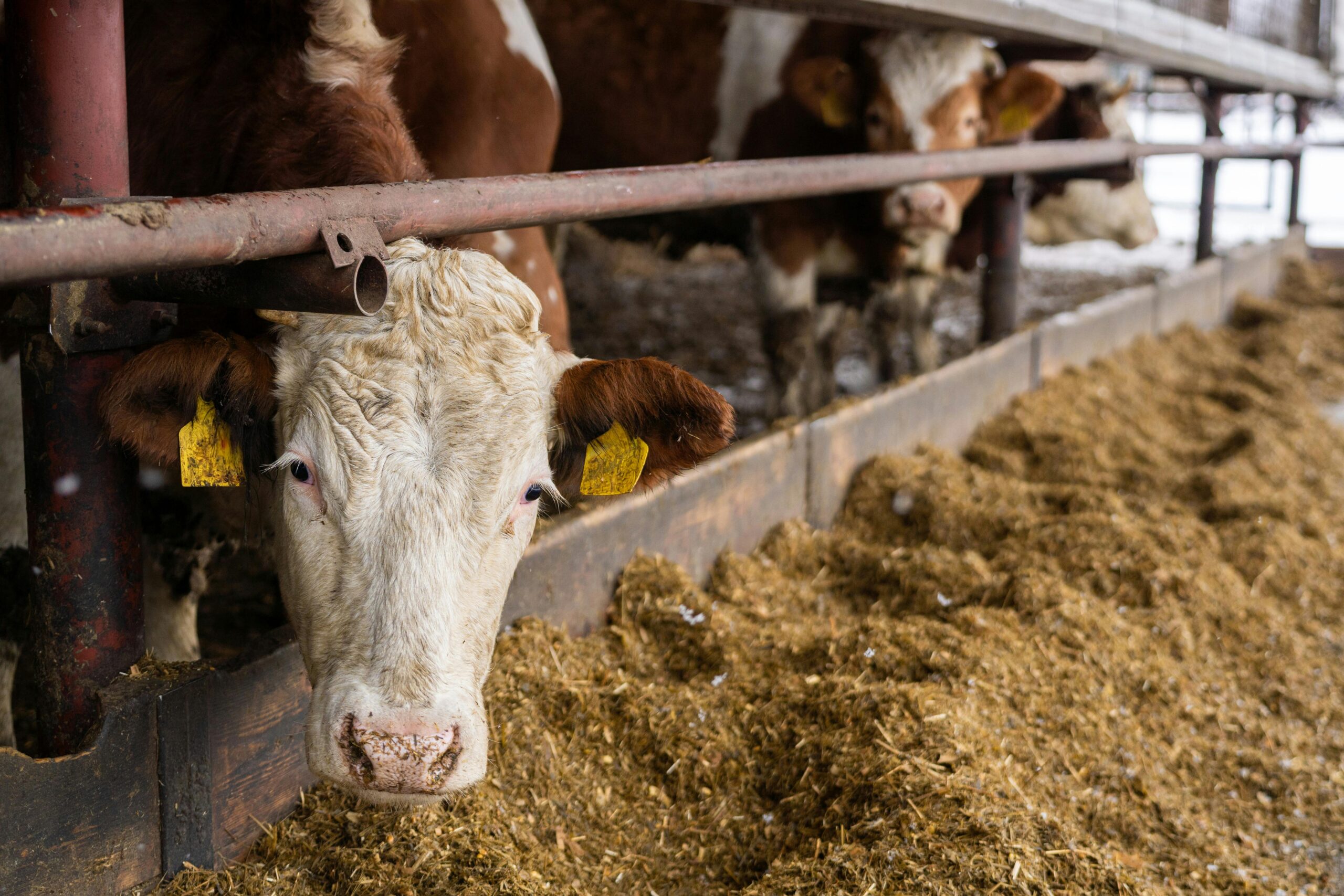
Over the past few years, the New World screwworm — a parasitic fly that lays eggs in the wounds of warm-blooded animals — had been advancing north towards the United States. Historically, the eradication of the screwworms saved the economy almost $3 billion every year, according to the USDA.
Federal and state officials are now in a race against the clock to stop the screwworm before it can do that much damage again.
The Texas Standard’s own producer and reporter, Michael Marks, spoke to the Standard about the developing screwworm story, potential impacts of the news and what’s being done. Listen to the interview in the player above or read the transcript below.
This transcript has been edited lightly for clarity:
Texas Standard: So what do we know about these four new screw worm cases in Texas? We’re gonna have to stop counting here pretty soon.
Michael Marks: Right, just say “multiple.” The two that were confirmed last week came from calves in the same area, Zavala County. That’s about 20 miles south of Uvalde, 45 miles east of the border with Mexico.
These two that we announced just this morning are in different parts of the state. One is in a calf in La Salle County, about two hours south of San Antonio. The other was found in a dog in Andrews County.
Now, Andrews is much further north than these other places we’ve mentioned. It’s up on the border with New Mexico, just north of Odessa. Worth noting — the USDA believes that since this dog recently visited Mexico, where screwworms are abundant, it could have picked it up there, but we don’t know for sure.
» RELATED: What Texas pet owners need to know about New World screwworm
So what does the response look like so far from state and federal officials who are in charge of responding to this?
Michael Marks: Yeah, the U.S. Department of Agriculture is the agency that is leading the way, and they’ve got teams of experts on the ground at the sites where these screwworm cases have been developed. Wherever a case is found, they close off a 12-mile area around those sites where any warm-blooded animals are restricted from moving in or out without regulatory approval — they got road stop checkpoints.
The other big elimination and containment strategy is dropping sterilized screwworms in the area. This is the technique that’s been pioneered to eliminate screwworm, since the female screwworms only mate once in their life. You can drop sterilized ones into an area and over that will tamp down the the population.
The USDA is dropping about 6 million of these a week into the areas where the screwworm cases have been found in the state.
What about what Gov. Greg Abbott has had to say here? He’s been sounding the alarm for some time and now they’re here.
Michael Marks: Right. On Friday, he updated a disaster declaration he issued last year to widen the available resources to address this issue.
His big point when he talked about this recently, though, was that he wants to speed up construction of a new sterile screwworm production facility in Edinburg. So this is a big-ticket item from the federal government — $750 million dollars for basically a factory to create 300 million sterile screwworms a week. You need that many to push them all the way out of the United States back towards Panama.
The USDA aimed to have it ready by November 2027, but Gov. Abbott wants it done by May of that year. He’s offered lots of state resources to get it done. Here he is talking about that:
Gov. Greg Abbott [press conference recording]: I specifically offered any and everybody from Texas A&M, anyone and everybody working in any state agency, offering to ensure that construction can be conducted 24 hours a day, seven days a week, to make sure that the facility in the state of Texas will be up and running even faster than what is currently scheduled.
Yeah, it sounds like we’re ramping up for war against this screwworm. I understand that the presence of this screwworm has led Canada to ban all livestock coming out of Texas.
Can I ask you sort of more broadly, and maybe this is a double-barrel question, what about safety concerns?
Michael Marks: Sure. Well, the folks in Gov. Abbott’s office say that that is an overreaction by the Canadian government. All the public health officials who have spoken about this issue say there is no risk to the food supply, that these affect the animals themselves.
This move by Canada, you know, last year, U.S. producers sent about 500,000 cattle to Canada. So it’s unclear exactly what effect that’s going to have. But it’s a situation that’s very much in flux and one that we’re gonna keep watching.