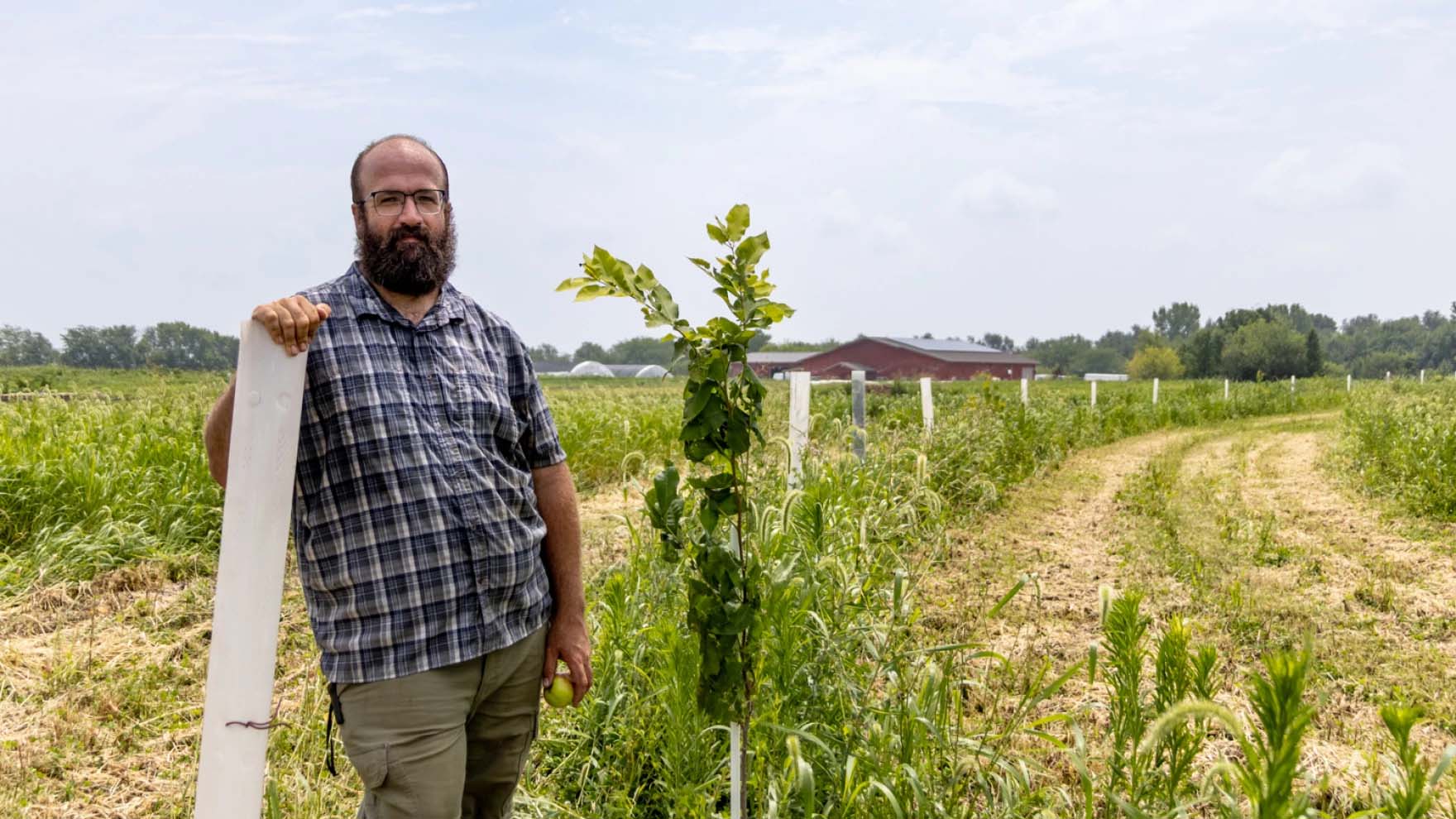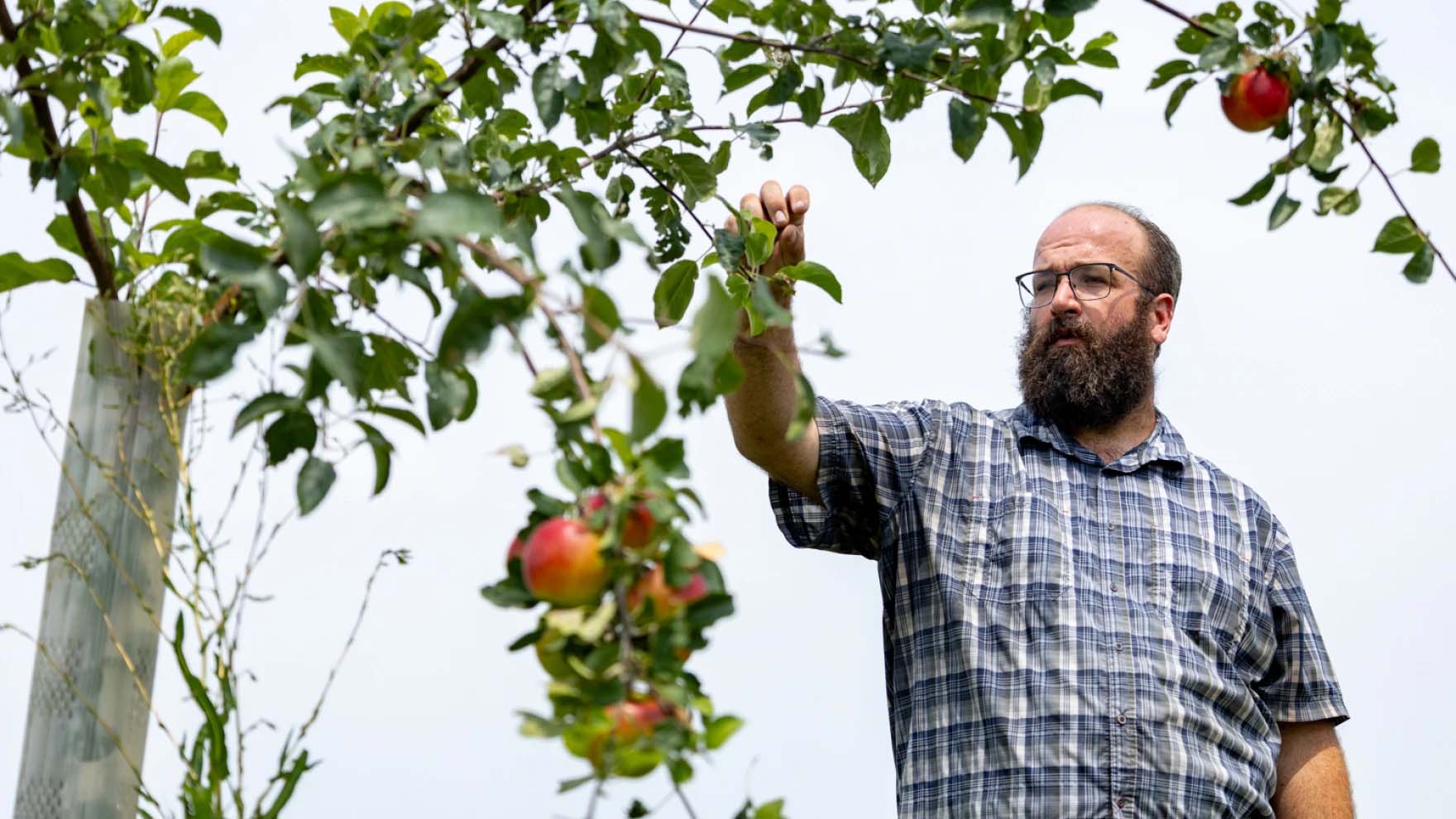
On a hot summer day, John Williams is walking through the vegetable farm he manages in central Illinois.
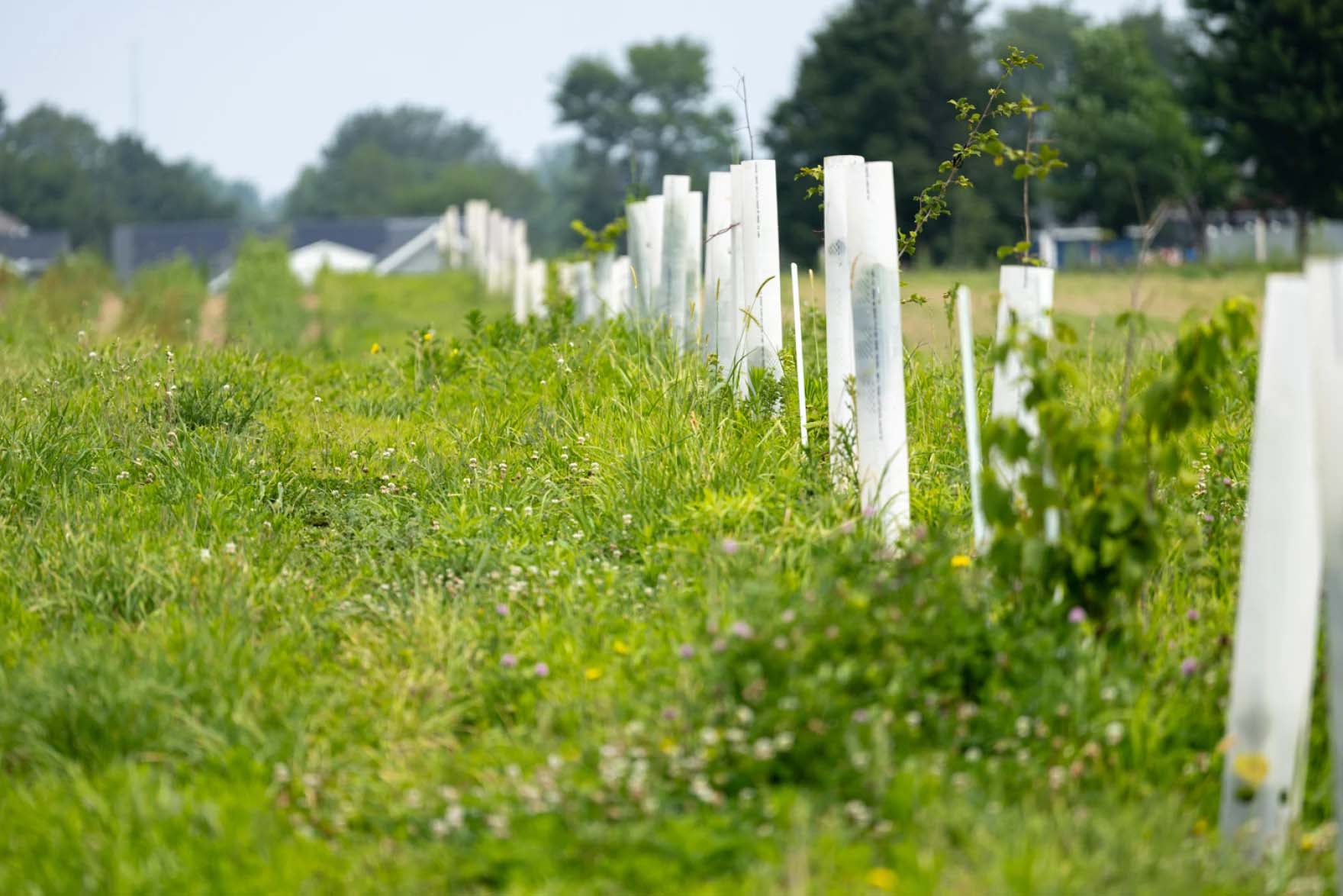
“All these white tubes coming up are tree tubes,” he said, “so they’re little protections for newly planted trees.”
Hazelnut, apple and pear trees run in between the fields and around the perimeter of the property at Sola Gratia Farm in Urbana, Illinois. The farm got funding to plant them through the Natural Resources Conservation Service, a federal agency under the U.S. Department of Agriculture.
The trees will help protect the farm’s soil from strong winds and heavy rains, Williams said.
“That’ll help keep more of the soil on our land and less from running downhill,” he said.
NRCS staff in county offices across the nation help farmers like Williams implement practices that prevent soil erosion and improve soil health. On top of providing technical assistance, the agency also allocates grant funding that incentivizes farmers to try conservation practices.
The NRCS was founded almost a century ago in response to the Dust Bowl. But it lost nearly a quarter of its staff nationally in 2025 after President Donald Trump’s sweeping cuts to the federal workforce, leaving many farmers with less access to environmental conservation practices.