“Back to school” means “back to massive germ-spreading” now that students are back together in classrooms.
In some cases, it’s the common cold, but in others it’s COVID.
Dr. Catherine Troisi, infectious disease epidemiologist and a professor at the UTHealth Houston School of Public Health, joined Texas Standard to discuss what to look out for.
This transcript has been edited lightly for clarity:
Texas Standard: Well, it may seem strange to call it COVID-19, since we’re now in the year 2026, but let’s start with explaining that name.
Catherine Troisi: Well, it was first detected in 2019, if you remember back that far. It actually didn’t become a pandemic till 2020. But because we first detected it late in 2019, that’s where the name came from.
Early on in the pandemic, the news was all about the different strains of COVID-19. Are we still tracking infections that way, or has it evolved since there are so many iterations at any one time?
You are exactly right. And yes, we are still tracking the variants, the changes that happen in this virus.
Luckily, it has slowed down. And if you’ll remember, I don’t remember what year it was, Omicron… ’23, ’22? That was a big deal because it was a major change and so we saw big increases in the number of infections.
Now we have seen changes in that Omicron variant of COVID-19 since whatever year that was, but the changes have been small and so people still have some immunity to the virus if you’ve been vaccinated or had COVID, which is about everybody.
And so since last year, we’ve seen minor changes, no major changes, meaning that we’d see lack of immunity and people getting sick — which does not mean that you can’t get sick from the current ones, it’s just that you may have some immunity due to previous infection or vaccination.
Let’s remind people again how prior infections or vaccinations help reduce serious illness.
For most infectious diseases, you make antibodies, and that either fully protects you or partially protects you in the future. We can, I would say, trick the immune system to making those antibodies by giving vaccine. You don’t get sick, but you make the antibodies so you’re protected.
So when your immune system sees that, — in this case, we’ll talk about the virus COVID-19 — it says, “I’ve seen that before, I’m going to attack it and get it out of the body.” And so that’s why you have some protection.
Now, because COVID-19 mutates very quickly — as I said, luckily we’ve been seeing minor changes — but enough that your immune system doesn’t totally recognize it… You can still get sick, but your immune systems still does a good job of preventing more serious disease from COVID in most cases, unless your immune system is not up to snuff, like you’re very young, you’re older, you’re immunocompromised, you have some underlying other medical conditions.
The CDC’s website shows COVID infection rates are growing in Texas as well as the rest of the country. How significant is this uptick?
Well, right now, yes, Texas is leading the way. If we look at wastewater — where basically everybody contributes to the wastewater, so it’s a good way of telling what’s happening in the community, you don’t have to wait for people to give blood samples or have their nose tested — we are seeing an increasing amount of COVID in the wastewater.
However, levels of disease so far have not been high, but are increasing. And that’s what we’re worried about, that we’re seeing an increase in the number of cases.
So is this expected given it’s the start of the school year?
So even though it seems like COVID has been around forever, it really hasn’t been that long. And so we’re still not positive what the seasonal distribution will look like.
However, last year, we did see an increase in cases in the fall, just like we’re seeing this year. The role that school children play, again, is not totally clear. We know that for other viruses, respiratory viruses like flu and RSV, yeah, kids are real good at spreading infections because sometimes they don’t wash their hands and they don’t cover their cough and they’re together inside.
So I think it would be a good guess that, yes, the start of the school season is contributing to this, but I also have to say, some of these data are from before school started because there’s a lag in reporting. So in a couple of weeks we’ll have a better understanding of whether there’s an association with the start of school.
When COVID first appeared, nobody had antibodies to it. And so that’s why the seasonality is still settling in. We are not seeing influenza A or B cases, other than a sprinkling, but the seasonal increase has not started yet. Sometimes it doesn’t start till as late as January, but we do know with influenza that school kids do play a big role in spreading it.
Remind us of the tell-tale symptoms for those who don’t remember. How do you distinguish it from a common cold, for example? I mean, losing your sense of smell is one we knew about.
Yeah, it’s sometimes hard to distinguish it from a common cold, especially if you’ve been vaccinated or had it before because, again, your immune system is most of the time making sure it’s not as severe.
So cough, sore throat, nasal congestion, fatigue… You may have fever or chills. Fever is less common with a cold, but can happen. You may be short of breath because of what’s happening in your lungs. You could have a headache, nausea and vomiting. You could have diarrhea.
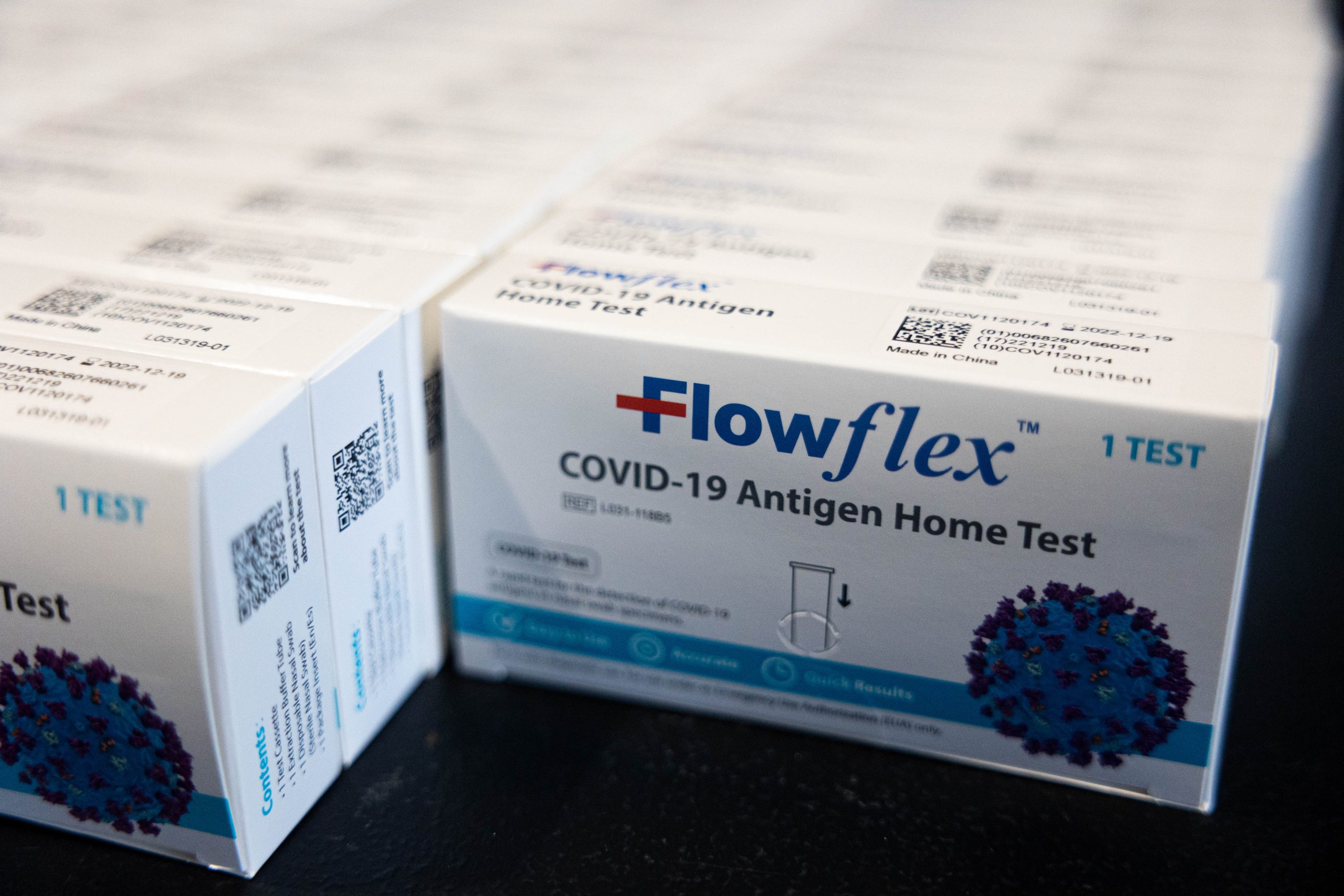
That sounds a lot like a cold, like flu, like some other things. So you really have to get tested to know whether it’s COVID or not. And if you do a home test and it’s negative, but you have those symptoms, it’s a good idea to test two days later, because sometimes that test won’t be positive at first.
So just to make sure it’s not COVID, test again.
When will the next vaccine for COVID be available and what do we know about who might be eligible to get it?
Very good question, because we don’t know when the next vaccine is going to be available because the Advisory Committee on Immunization Practices, ACIP, is not meeting.
The manufacturers are making the vaccine. What we don’t know is when it will be approved. And if it is not approved, will insurance companies cover it as they have in the past?
Now, it’s in their best interest to cover it, because it’s a whole lot cheaper to vaccinate someone than have them get ill, but we just don’t know. And it’s unfortunate that it is not available right now as we see cases rise.