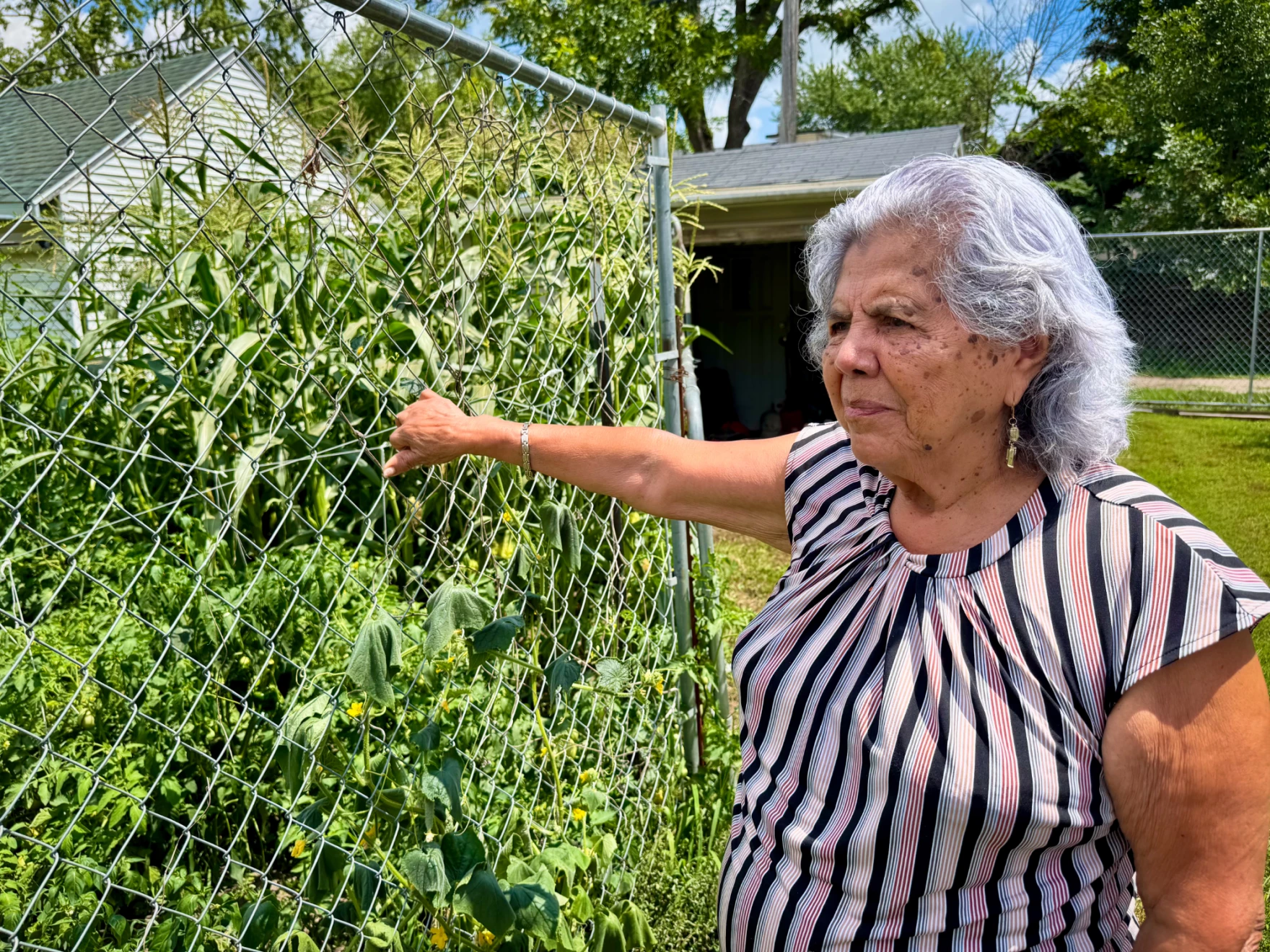
Since completing treatment for breast cancer, Toni Keller tries to stick to a healthy diet — she consumes lots of fruits and vegetables and no red meat.
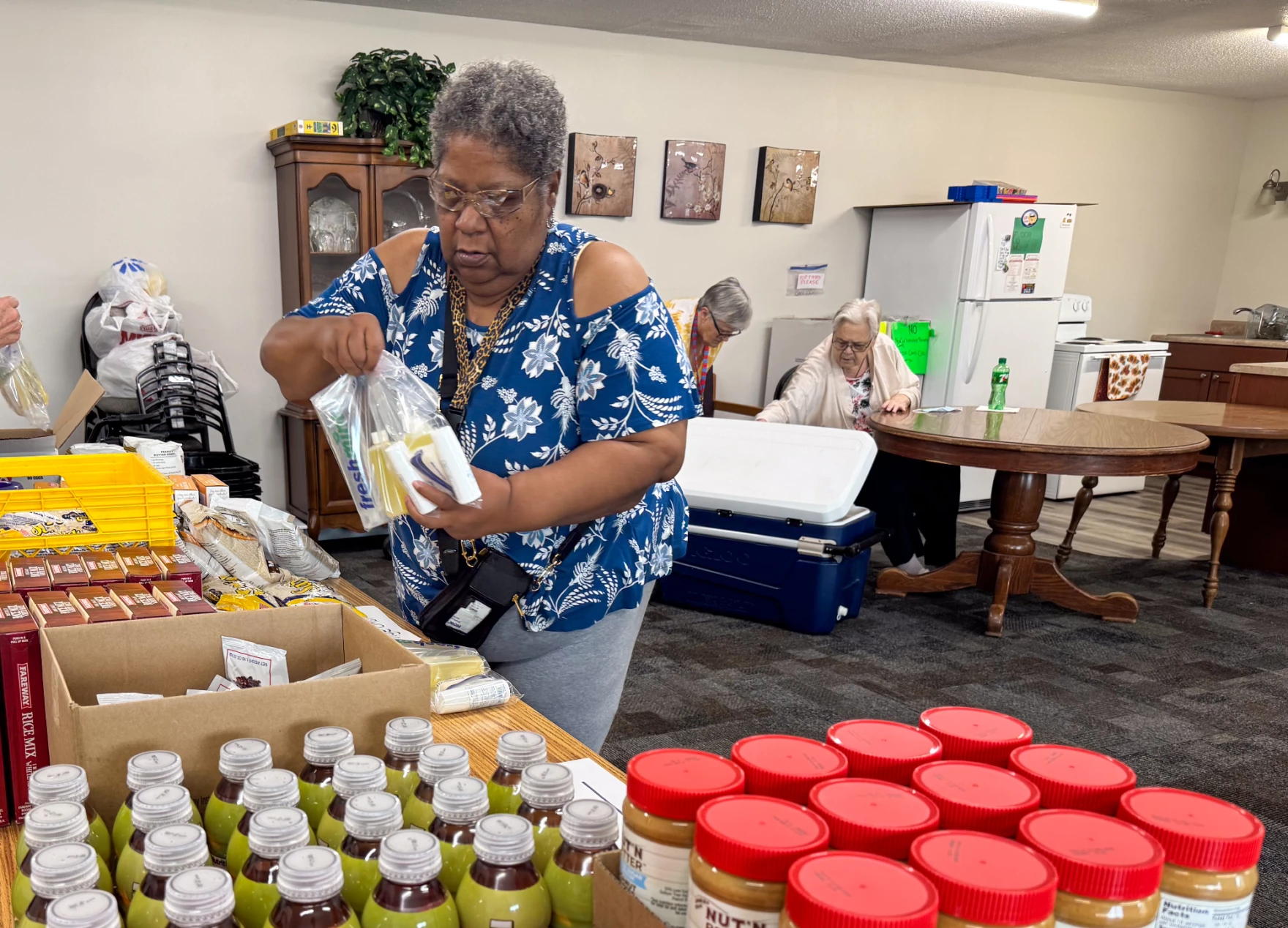
Keller, 65, moved into Storm Lake Senior Housing in May, a low-income community in the northwest Iowa city of Storm Lake. She spent some of her adult life out of the workforce, which substantially reduced the retirement benefits she now receives.
“I get a whopping $304 a month, because I had a sick child, so most of my time was spent with her,” Keller said.
That Social Security payment isn’t nearly enough to cover Keller’s living expenses, including food.
“After having cancer, you’re eating a little differently, which costs more money to do,” Keller said.
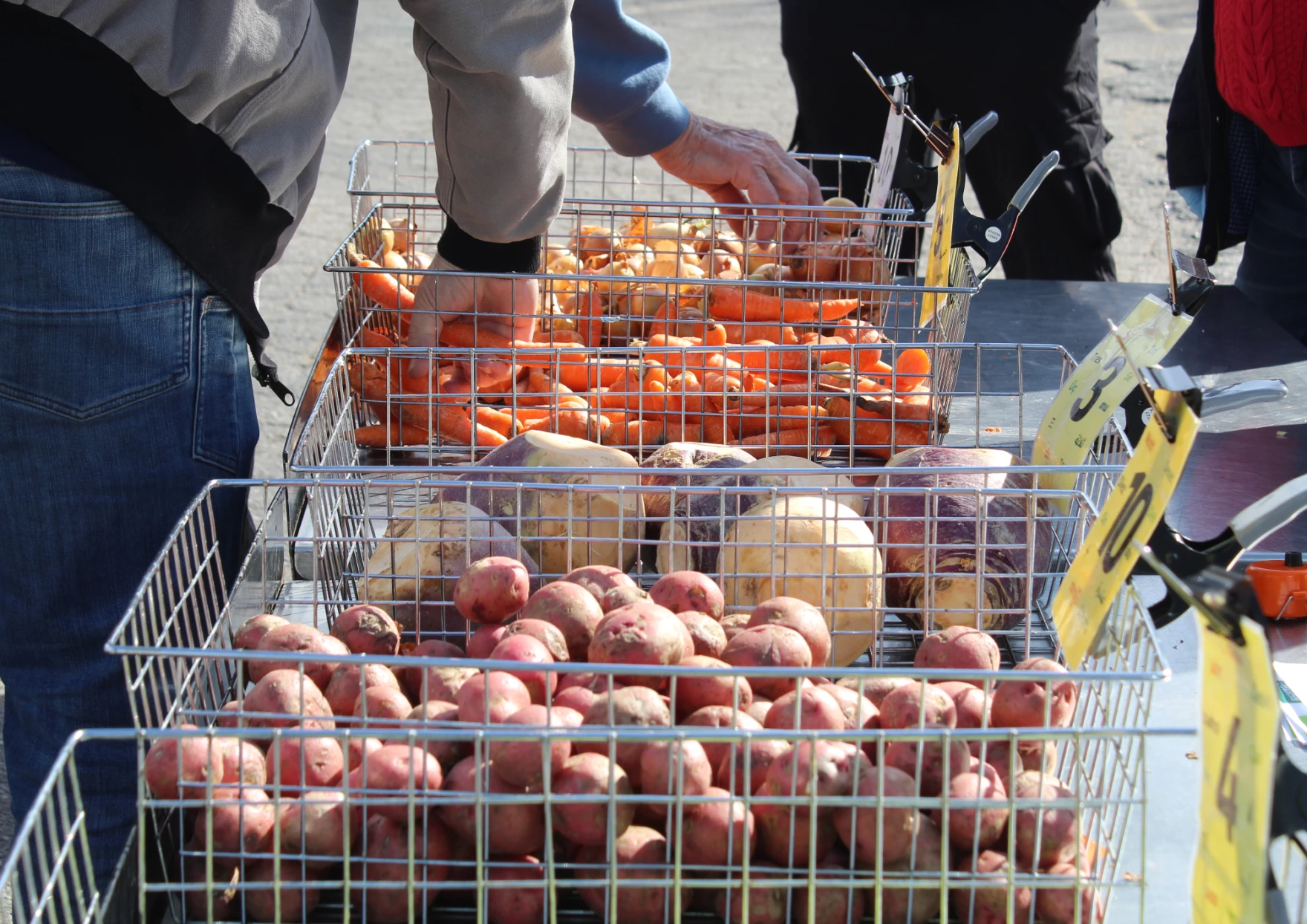
High food prices are pushing some older adults to make difficult budget decisions. That can mean scaling back on produce in favor of cheaper, processed foods, stretching food items longer, or even forgoing medication. In addition, according to AARP, nearly half of older adults who carry credit card debt are using credit cards to buy food.
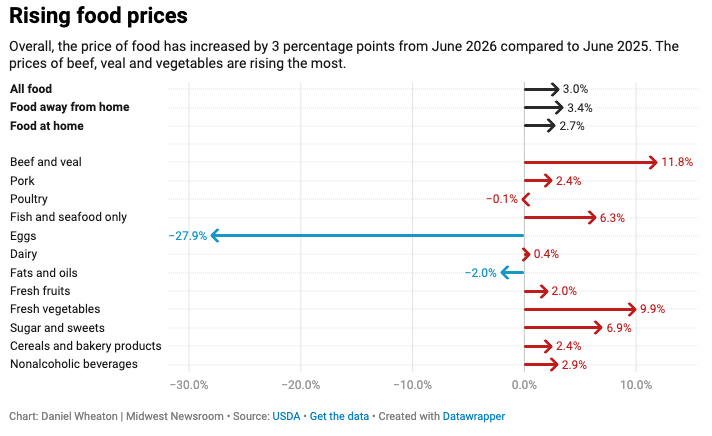
Nationwide, food prices increased 3% from June 2025 to June 2026, according to the U.S. Department of Agriculture. That follows larger spikes during the COVID-19 pandemic, including a nearly 10% jump in 2022 ― the largest annual increase in over 40 years, according to the USDA.
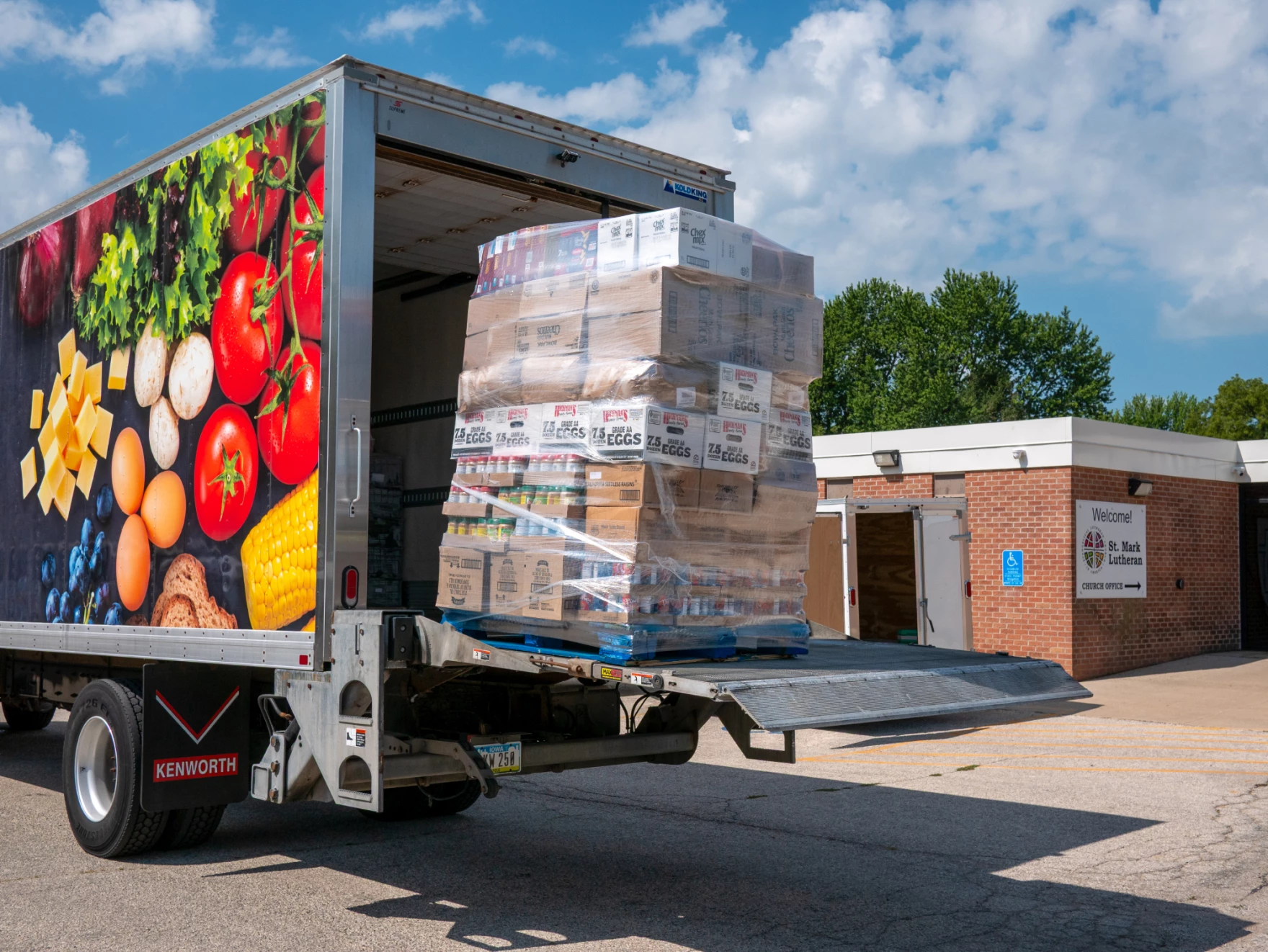
Recent changes to the federal Supplemental Nutrition Assistance Program, or SNAP, have pushed food accessibility issues into the spotlight. But the hunger crisis among older Americans often receives less attention than other groups, said Jessica Johnston, a senior strategist for economic well-being at the National Council on Aging.
“So much of the conversation around SNAP and food insecurity really has been around children and families, and older adults really are often a forgotten population on this topic,” Johnston said.