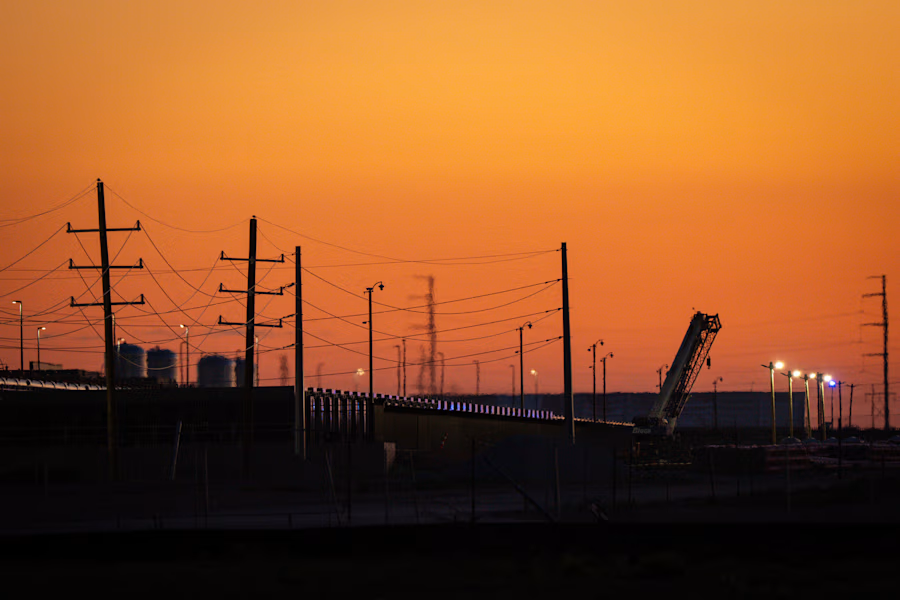
From The Texas Tribune:
For the first time in five years since Winter Storm Uri turned the electrical grid into a political albatross for Texas leaders, the state’s grid has again become a liability for politicians.
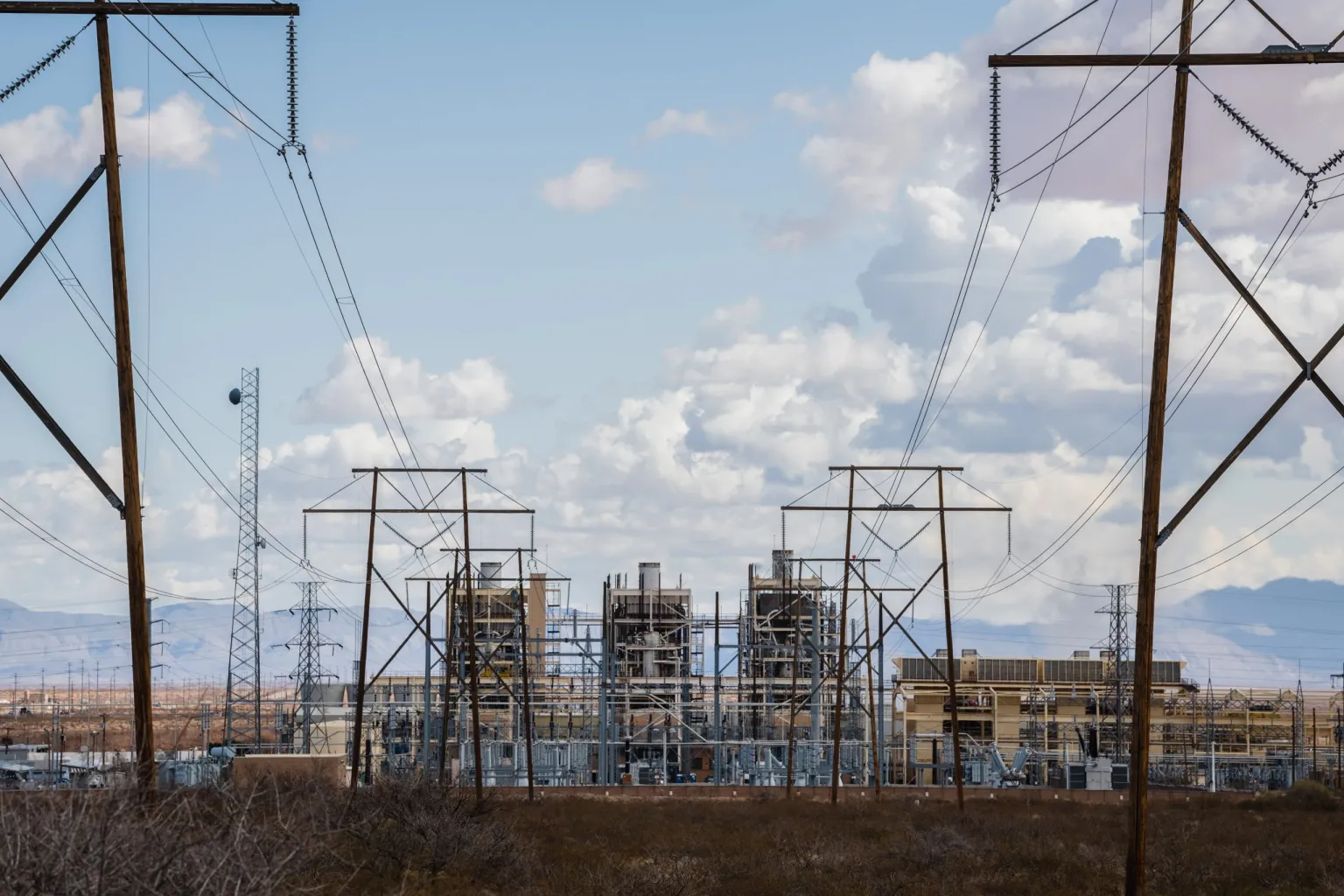
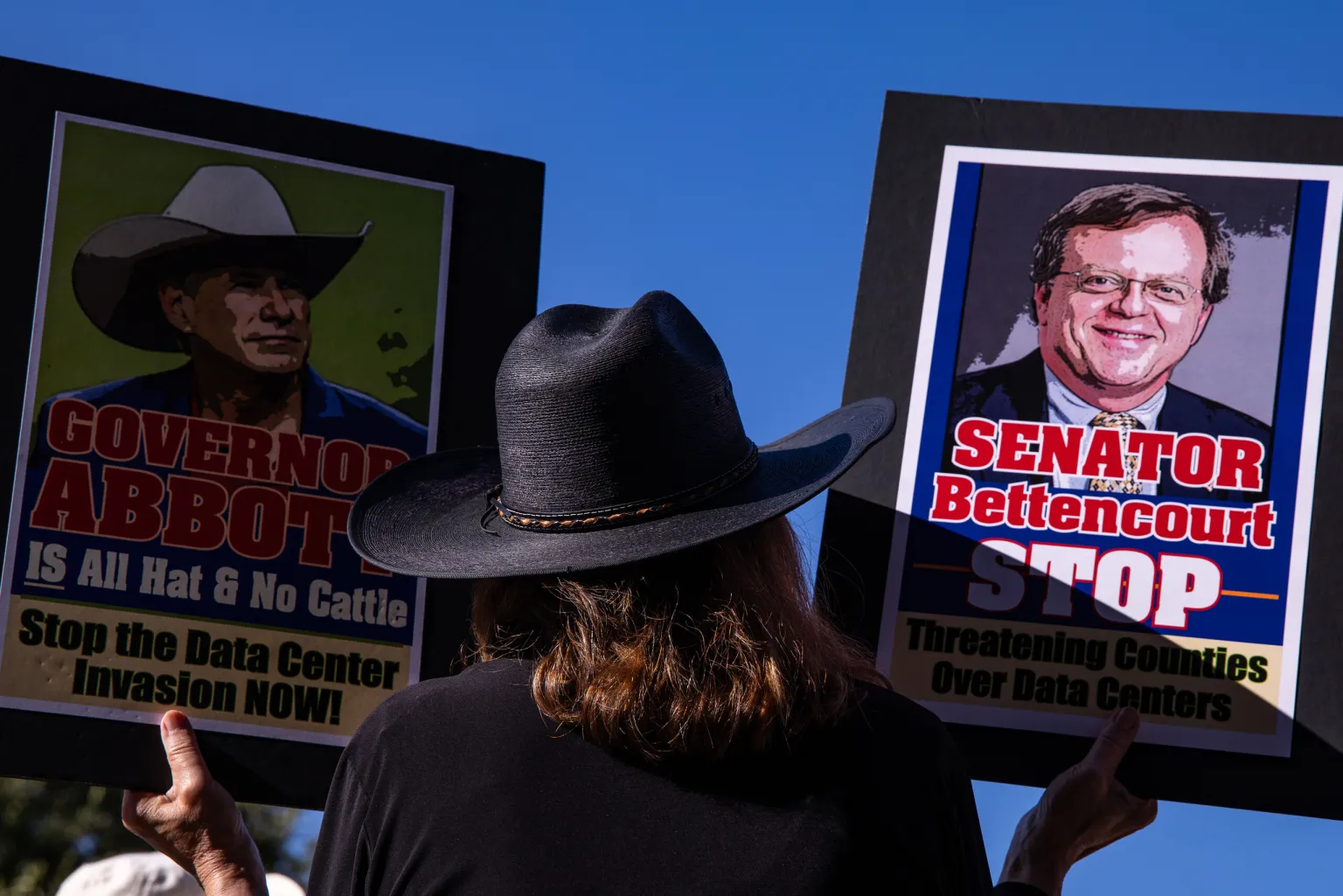
Many residents don’t want data centers in their communities, fearing their massive energy, water and land use, a majority of which is planned for rural Texas. Many residents are also balking at transmission lines lawmakers approved to build hundreds of miles across West Texas because they threaten to eat up their land.
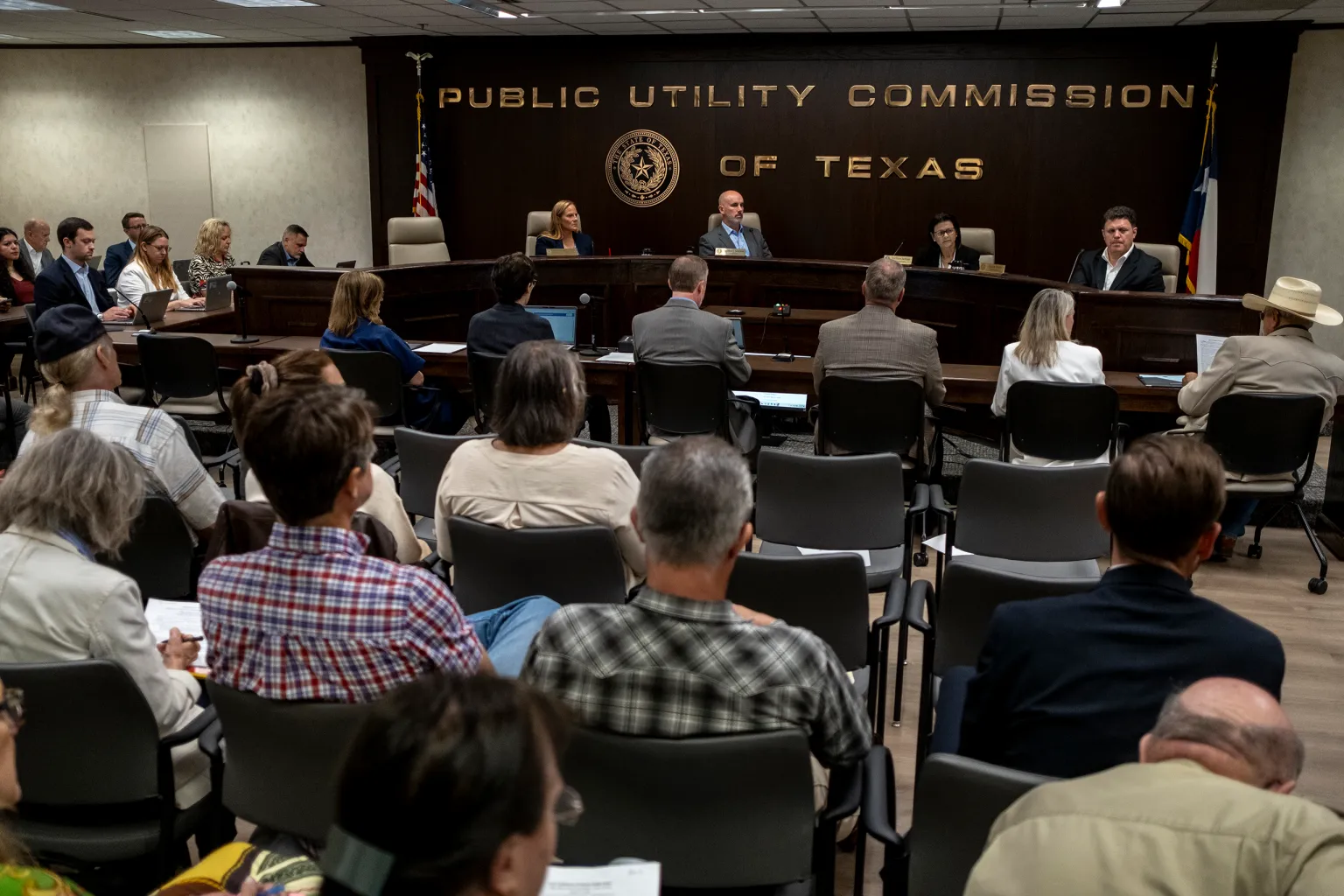
The pushback has gotten so overwhelming that the state’s top leaders — the very ones that welcomed these initial proposals with open arms — have called on regulators to delay these projects.
But in this abrupt bid to assuage constituents’ concerns, state lawmakers could be shortsighted.
The Electric Reliability Council of Texas, the state’s grid operator, has said West Texas is at risk for rolling blackouts if these lines don’t get built, and residents will face higher energy prices as congestion worsens. The oil and gas industry says its ability to expand will be hamstrung without the lines’ construction. And, pushing pause on data centers has created uncertainty in other industries that want to connect to the grid but are unable to know if or when they will get it.
“Whatever the complexities of the policies engaged here — and the degree to which the deployment of these high-capacity power lines and the construction of data centers are distinct issues — in this moment, it’s the politics that matter at least as much as the policy,” said Jim Henson, director of the Texas Politics Project at the University of Texas at Austin.
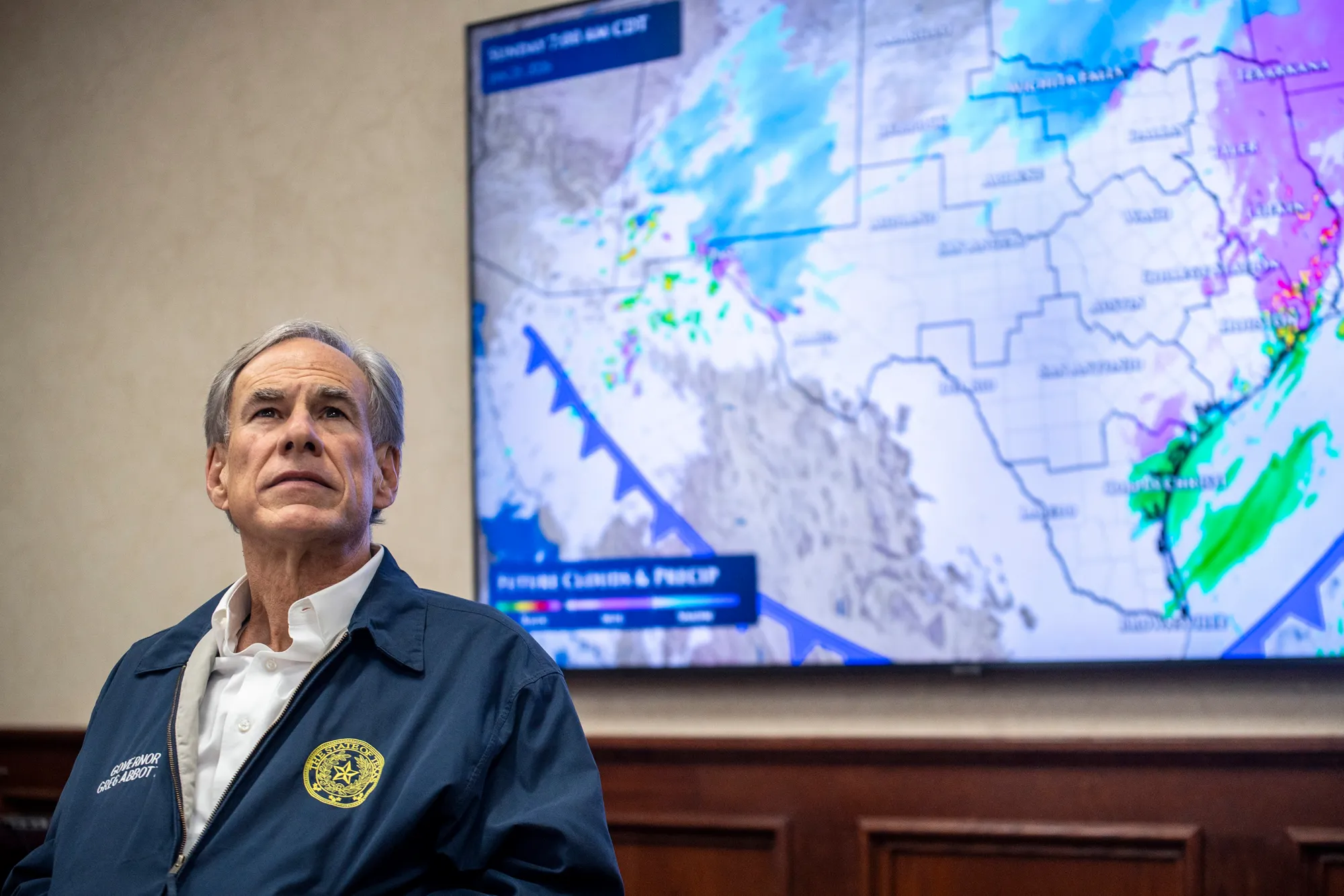
In recent weeks, dozens of legislators and state officials have called on the transmission line buildout to be scrapped entirely so the Legislature can return to the drawing board. And Gov. Greg Abbott announced an audit of data centers seeking to be connected to the power grid that has forced ERCOT to pause a first-of-its-kind effort to rework its queue for facilities seeking energization. This delay has made grid planning harder and left industries unclear if or when they will be able to receive power from the grid, risking economic development from data centers and traditional industries alike.