From The Texas Newsroom:
Less than a month before New World screwworm was confirmed in Texas for the first time in decades, state lawmakers heard warnings that an infestation of the flesh-eating parasite posed a growing threat to the state’s livestock industry, wildlife populations and economy.
“Screwworm is a serious concern for [the U.S. Department of Agriculture], our state partners, and our livestock producers because of the damage and disruption it would cause to the U.S. livestock industry if not quickly identified and treated,” said Dudley Hoskins, the USDA’s undersecretary for marketing and regulatory programs.
The warning was one of many presented to legislators during a May 11 hearing of the Texas Senate Committee on Water, Agriculture, and Rural Affairs. In the meeting, agriculture officials and industry experts discussed the parasite’s steady march north through Mexico — and the destructive effects its arrival in Texas could bring.
Just weeks later, on June 3, the U.S. Department of Agriculture confirmed New World screwworm in a calf in Zavala County. This marked the first U.S. case since the pest was eradicated from the country in the 1960s. In the days that followed, four more cases were confirmed in Texas. A fifth case was confirmed by the USDA on Tuesday.
May’s committee hearing offered a glimpse into how lawmakers and state officials viewed the threat before the first Texas cases were detected, along with how they planned to respond if the parasite reached the state.
Confidence in the face of a billion-dollar threat
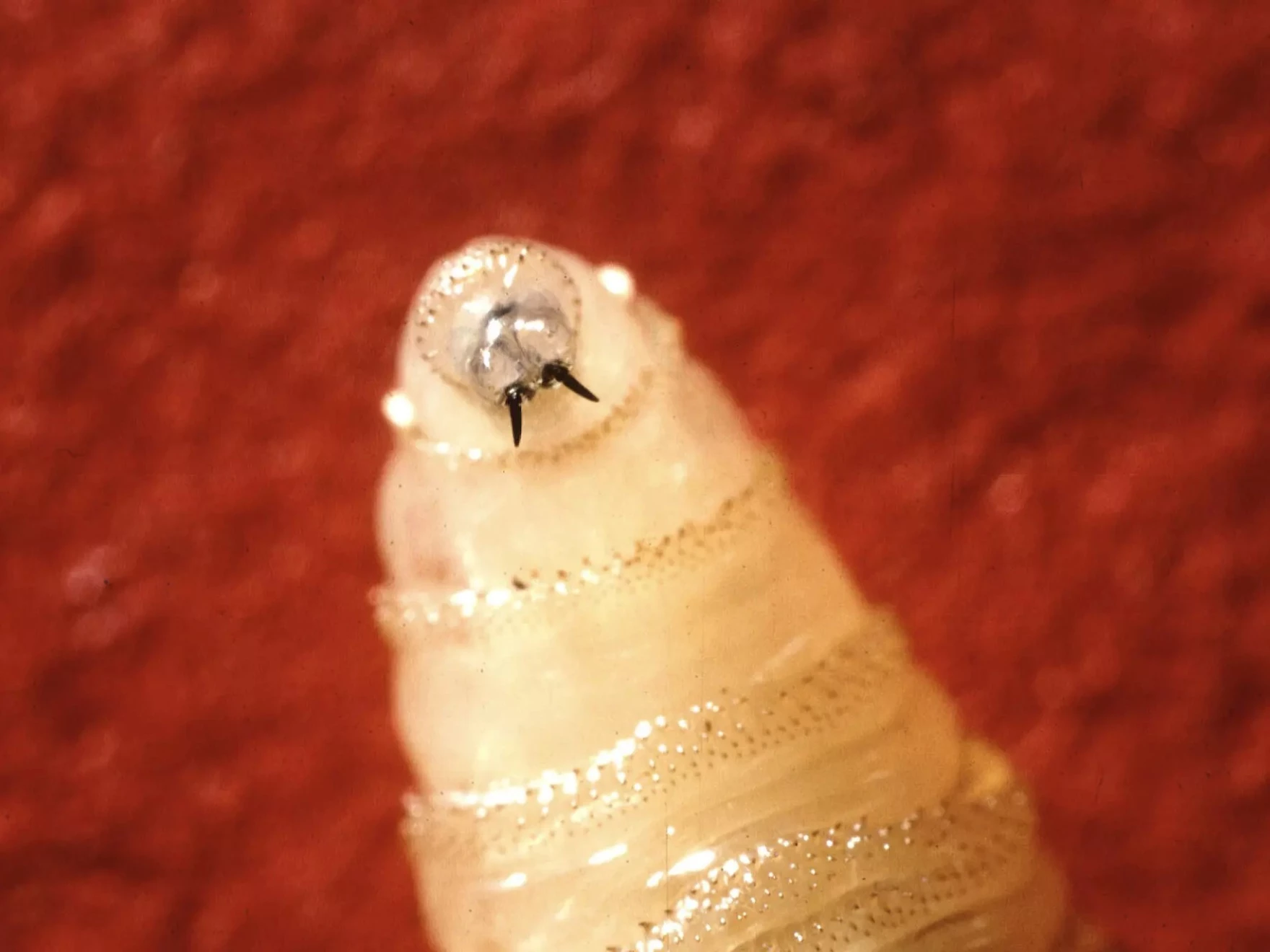
New World screwworm larvae feed on the living tissue of warm-blooded animals, including livestock, wildlife and pets. Officials have stressed that the parasite doesn’t threaten the safety of the U.S. food supply, but it could disrupt food production by harming livestock.
Throughout the hearing, several Texas officials expressed confidence that the state was prepared to respond if — or when — screwworm reached Texas.
Texas Parks and Wildlife Department Executive Director David Yoskowitz told the Senate panel that his agency was in regular contact with the U.S. Department of Agriculture, along with neighboring state agencies, about the growing screwworm threat.
This confidence was echoed by State Veterinarian Bud Dinges, who also serves as the executive director of the Texas Animal Health Commission. He said TAHC was “prepared to facilitate an effective and efficient New World screwworm response at a moment’s notice.”
Even as officials expressed faith in the state’s preparedness, Phillip Kaufman, head of the Department of Entomology at Texas A&M University, warned the New World screwworm’s arrival could carry a steep economic cost. He estimated a major infestation could cost Texas’ cattle industry and the broader state economy $1.8 billion.
The figure includes losses from reduced livestock production, increased veterinary care, additional labor for inspections and treatment, and higher spending on medications and insecticides, according to Kaufman. He also noted the estimate doesn’t account for the state’s wildlife industry, which contributes more than $10 billion annually to the Texas economy.
At the time, Kaufman said he was “cautiously optimistic.”
“We have the ability to manage this pest,” he said. “We will survive, and we are going to get rid of this fly again.”
The potential economic impact drew concern from several state lawmakers, including Republican Sen. Adam Hinojosa of Corpus Christi, whose district includes much of South Texas.
“From a state perspective, being that we are the front lines in how much economic devastation could occur in our state, I think we really should be looking at a Texas-state response,” Hinojosa said.